Translate
Overview
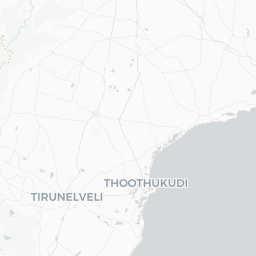
Pudukkottai is a mid-sized district headquarters in central Tamil Nadu, roughly halfway between Trichy (Tiruchirappalli) and Ramanathapuram. It sits in a dry, rocky landscape punctuated by granite outcrops and tank irrigation systems that have shaped the region for centuries.
The town was the seat of the Tondaiman dynasty, one of the few princely states in the Tamil region that remained nominally independent under British paramountcy until 1947. That royal history left behind a surprisingly rich set of heritage buildings, an above-average district museum, and a palace complex that most travellers overlook. This makes Pudukkottai a rewarding stop for history enthusiasts willing to venture off the standard Thanjavur–Madurai circuit.
The surrounding district contains rock-cut Jain and Shaivite cave temples dating to the Pallava and Pandya periods, scattered across agricultural villages that see very little tourist traffic. Travellers who enjoy unhurried, off-the-beaten-path exploration — particularly of early medieval Tamil art and epigraphy — tend to find the area disproportionately rewarding.
Before You Go
Visas
India requires a visa for most foreign nationals. For current requirements, check TravelerPulse's Visas section and the official Indian Bureau of Immigration website. Requirements and e-visa eligibility change periodically; verify before booking.
Health
Drink only bottled or filtered water. Standard India travel health precautions apply: consult a travel medicine clinic about typhoid, hepatitis A, and routine vaccinations. Mosquito repellent is advisable, particularly during and after the monsoon months (June–September).
Money
ATMs are available in the town centre and near the bus stand. Cards are accepted at some larger hotels but cash is the norm for restaurants, autos, and smaller guesthouses. Carry sufficient rupees before heading to village temple sites outside town.
Connectivity
Major Indian mobile networks (Jio, Airtel, BSNL) provide coverage in the town. Signal can be patchy in rural areas of the district. Purchase an Indian SIM on arrival if you plan to travel independently; a local SIM requires a passport copy and photo.
Getting There
By Train
Pudukkottai has its own railway station on the Trichy–Rameswaram broad-gauge line. Several daily trains connect it to Trichy (approximately 1–1.5 hours), Thanjavur, and Rameswaram. Check current schedules and book tickets at indianrail.gov.in or the IRCTC portal well in advance, particularly around festival periods.
By Bus
The town bus stand is centrally located and well-served by Tamil Nadu State Transport Corporation (TNSTC) buses. Frequent services run to Trichy, Thanjavur, Karaikudi, and Madurai. Private bus operators also cover these routes; verify timings locally or at the bus stand.
By Road
Pudukkottai lies on NH-36 (verify current highway numbering locally). The drive from Trichy is roughly 50–55 km and takes about 1–1.5 hours depending on traffic. Taxis can be hired from Trichy for a day trip covering Pudukkottai and surrounding temples.
Getting Around
Within town, auto-rickshaws are the primary mode of transport. Negotiate the fare before boarding; metered autos are uncommon here. For rural temple sites in the district — such as Sittannavasal and Kudumiyamalai — hiring an auto for a half-day or a full-day taxi is the most practical option, as public bus connections to these sites can be infrequent.
Cycle rickshaws operate in the older market areas. Walking is feasible for the town centre, the museum, and the palace area, which are within a manageable distance of each other. Bring good walking shoes and sun protection if you plan to visit rock-cut sites, which involve uneven terrain.
Where to Stay
Accommodation in Pudukkottai is primarily functional, mid-range and budget lodges catering to business travellers and pilgrims rather than leisure tourists. Several guesthouses and small hotels are located near the bus stand and the main market area. Standards vary; reading recent guest reviews before booking is advisable.
Many travellers choose to stay in Trichy (about 50–55 km away) or Thanjavur and visit Pudukkottai and Sittannavasal as day trips. Trichy in particular has a wider range of hotels across price points and better transport connectivity. If you plan to explore the district's rural temple sites at your own pace, staying in Pudukkottai itself saves time and local hire costs.
Things to See & Do
Pudukkottai Government Museum
One of the better district museums in Tamil Nadu, this institution houses sculptures, bronzes, coins, natural history specimens, and artefacts documenting the history of the Tondaiman dynasty and the broader region. The numismatic and sculpture galleries are particularly notable. Verify opening hours and admission fees locally or through the Tamil Nadu Museums Department, as these can change.
Sittannavasal Cave Temple
Located about 16 km from Pudukkottai, this Jain cave (Arivar Koil) contains Pallava-period frescoes considered among the oldest surviving paintings in India after Ajanta. The frescoes, depicting a lotus pond scene, are remarkable for their delicacy. Visit early in the morning for the best light and to avoid heat. Entry fees and conservation restrictions apply; verify current access rules locally.
Kudumiyamalai
Around 40 km from Pudukkottai, this granite hill bears a Shiva temple and an extraordinary 7th-century rock inscription recording early South Indian musical notation — one of the oldest of its kind anywhere. The site is little-visited and archaeologically significant.
Vijayalaya Choleeswaram and Surrounding Temples
The district contains numerous early Chola and Pandya-period temples, many in active worship and in varying states of preservation. Local guides or the district tourism office can advise on accessible sites.
Pudukkottai Palace
The former Tondaiman royal palace complex is in the town centre. Some portions are used for administrative purposes; access to interior areas may be restricted. The exterior and surrounding grounds offer a sense of the town's princely-state heritage.
Food & Drink
Pudukkottai's food scene is firmly local and unpretentious. Expect Tamil vegetarian meals (saapadu) served on banana leaves at small tiffin centres and hotels, with sambar, rasam, rice, and an array of chutneys and vegetable sides. Idli, dosa, and pongal are standard breakfast options across town.
Non-vegetarian options — chettinad-influenced dishes, biryani, and chicken curries — are available at several local restaurants, reflecting the town's proximity to the Chettinad region. Filter coffee is the dominant hot beverage and generally excellent.
There are no internationally branded chain restaurants or hotels in Pudukkottai at the time of writing. For specific restaurant recommendations, ask at your guesthouse or check current reviews on Google Maps, as individual establishments change frequently. Avoid drinking tap water; stick to sealed bottled water.
Practical Information
Emergency Numbers
Verify current local emergency numbers on arrival. India's national emergency number is 112 (police, fire, ambulance). The district government hospital is located in Pudukkottai town; for serious medical emergencies, Trichy has larger private hospitals with more comprehensive facilities.
Post and Banking
The town has a main post office and branches of several nationalised banks with ATMs. Currency exchange is limited; change money in Trichy or use ATMs.
Best Practices for Temple Visits
- Remove footwear before entering temple precincts.
- Dress modestly (shoulders and knees covered); some temples issue wraps at the entrance.
- Photography rules vary by temple — ask or look for posted notices.
- Non-Hindus may be restricted from entering the inner sanctum of some active temples; respect these rules.
Climate Note
Pudukkottai receives rainfall primarily from the northeast monsoon (October–December). Summers (April–June) are hot and dry, with temperatures frequently exceeding 38°C. November through February is the most comfortable season for outdoor sightseeing.
Local Culture & Etiquette
Pudukkottai district sits at a cultural crossroads of Chettinad, the Cauvery delta, and the Pandya heritage zones. The Tondaiman rulers historically patronised Tamil arts and scholarship, and local temple festivals (utsavams) remain important community events. If you happen to be in the area during a major temple festival, these are worth witnessing for their music, procession, and ritual traditions.
The local population is predominantly Hindu, with communities following Shaivite and Vaishnavite traditions. A modest Muslim minority and small Christian community are also present. Social interactions in smaller towns tend to be reserved but hospitable toward respectful visitors. Learning even a few words of Tamil — vanakkam (greeting), nandri (thank you) — is appreciated and often warmly received.