Translate
Overview
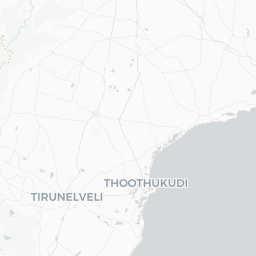
Puttantura is a small settlement in the Tirunelveli district of Tamil Nadu, located in the far south of India near the tip of the subcontinent. With a population of roughly 5,000, it functions as a quiet rural community rather than a tourist destination in its own right. Visitors are typically passing through or using it as a base to explore the wider Tirunelveli and Kanyakumari corridor.
The surrounding landscape reflects the character of southern Tamil Nadu — semi-arid plains that give way to the Western Ghats foothills, with agricultural land and small temples woven into everyday life. Travelers who do stop here tend to be those interested in off-the-beaten-path rural India or those visiting family in the area.
Because Puttantura is a small, locally oriented community, many of the amenities, attractions, and services that travelers expect in larger cities are not available here. Most visitor needs — accommodation, restaurants, transport connections — are better met in nearby Tirunelveli or Nagercoil.
Before You Go
Visas
India requires a visa for most foreign nationals. For current requirements, entry rules, and e-visa eligibility, check TravelerPulse's Visas section and the official website of the Indian Bureau of Immigration.
Health
Consult a travel medicine clinic before visiting southern India. Mosquito-borne illnesses such as dengue are present in the region; take appropriate precautions. Drink only sealed bottled water or water that has been reliably purified. Heat can be intense outside the November–February window, so carry water and dress accordingly.
Connectivity
Mobile coverage in Puttantura is available through major Indian carriers (Jio, Airtel, BSNL), though signal quality can be inconsistent in rural pockets. Pick up a local SIM at Tirunelveli or Nagercoil for the most reliable service. ATMs are not guaranteed in the immediate area; carry sufficient cash before arriving.
Practical expectations
- English is rarely spoken in this locality; a translation app with offline Tamil capability is strongly recommended.
- Very few, if any, formal tourist services operate here. Plan logistics in advance.
- Verify locally for any current road conditions or transport changes.
Getting There
Puttantura has no rail station or airport of its own. The nearest significant transport hubs are Tirunelveli (approximately the nearest major city to the north) and Nagercoil (to the south), both of which have railway stations with connections across Tamil Nadu and to cities such as Chennai, Madurai, and Trivandrum in Kerala. Trivandrum International Airport (Thiruvananthapuram, Kerala) is the closest international airport and is accessible from Nagercoil.
Local bus services operated by Tamil Nadu State Transport Corporation (TNSTC) and private operators connect smaller settlements in this part of Tirunelveli district. Schedules and routes should be verified locally, as they change and may not be published online reliably. Auto-rickshaws are typically available in the nearest town center and can be hired for shorter journeys.
If you are self-driving, the road network in southern Tamil Nadu is generally functional, but rural roads can be narrow and poorly lit after dark. Confirm current road conditions locally before traveling.
Getting Around
Within Puttantura and its immediate surroundings, auto-rickshaws are the most practical option for short trips. Hiring a private vehicle or taxi from Tirunelveli or Nagercoil gives greater flexibility and is advisable if you plan to visit multiple locations in the district.
Walking is feasible within the village itself. For any excursion to nearby towns or attractions, plan for transport in advance as services may be infrequent. Verify locally with residents or your accommodation for the most current transport advice.
Things to See & Do
Puttantura itself does not have developed tourist attractions. The appeal of this area lies in rural southern Tamil Nadu life — small Hindu temples, agricultural landscapes, and proximity to the more visited sites of the Tirunelveli and Kanyakumari districts.
Nearby Points of Interest
- Kanyakumari — The southernmost tip of mainland India, where three bodies of water meet, is within reasonable reach and is a significant pilgrimage and tourist site.
- Tirunelveli — Known for its halwa, historic temples, and the Nellaiappar Temple complex.
- Mundanthurai Tiger Reserve / Kalakad Mundanthurai Tiger Reserve — One of the most biodiverse protected areas in southern India, located in the Western Ghats not far from this region (verify access and permits locally before visiting).
Travelers interested in rural temple architecture may find small local shrines in and around Puttantura worth a quiet visit, though they are not formally maintained for tourists.
Food & Drink
Formal restaurants are unlikely to be found within Puttantura itself. Small local tea stalls (locally called kadai) serving tea, coffee, and basic snacks are common in Tamil Nadu villages and may be present. For a wider selection of food, travel to Tirunelveli or Nagercoil, where South Indian meals — rice, sambar, rasam, various curries, and dosas — are served in local hotels (the term used locally for simple restaurants) throughout the day.
Tirunelveli is particularly well known for its Tirunelveli halwa, a dense wheat-based sweet cooked in ghee that is widely considered a regional specialty worth seeking out. Verify locally which establishments are reputable at the time of your visit, as businesses change.
Alcohol availability is limited and regulated in Tamil Nadu. State-run TASMAC shops are the legal point of sale; availability in small rural communities may be restricted.
Practical Information
Emergency Contacts
Verify current local emergency numbers upon arrival. In India, general emergency services can be reached via the national single emergency number 112. For medical emergencies in a rural area, the nearest government hospital is likely in Tirunelveli or Nagercoil — confirm the exact location and contact details locally before you need them.
Money
Carry sufficient Indian Rupees in cash before arriving. ATM availability within Puttantura cannot be guaranteed. The nearest reliable banking facilities are in larger nearby towns.
Communication
A local SIM card purchased at a major carrier outlet in Tirunelveli or Nagercoil is the most cost-effective way to stay connected. Offline maps and a Tamil language app are highly recommended.
Medical
For anything beyond minor issues, seek care in Tirunelveli or Nagercoil. Carry a basic travel medical kit including oral rehydration salts, mosquito repellent, sun protection, and any prescription medications you require, as local pharmacies may have limited stock.
Safety
Puttantura is a quiet rural settlement with no specific safety concerns reported for travelers. Standard precautions appropriate to rural India apply: do not walk alone in unfamiliar areas after dark, keep valuables secured, and maintain awareness of your surroundings.
Road safety is a practical concern in rural Tamil Nadu; traffic including buses, trucks, and two-wheelers can be fast and unpredictable. Use seatbelts where available and avoid traveling on unfamiliar roads after dark.
For the most current travel advisories, check your home country's official foreign affairs or travel advisory website before departing.
Local Culture & Etiquette
Puttantura is a Hindu-majority Tamil community, and the cultural norms of rural southern Tamil Nadu apply. Dress modestly, particularly near temples and in village settings — shoulders and knees should generally be covered. Remove footwear before entering temples and private homes when asked.
Public displays of affection are generally not customary in rural settings. Greet locals respectfully; a slight nod or a joined-hands vanakkam gesture is appreciated. Photography of individuals should always be done with permission.
Local festivals aligned with the Tamil Hindu calendar — including Pongal in January and various temple festivals throughout the year — are observed in communities across this region. If your visit coincides with a local festival, you may witness processions and rituals that offer genuine insight into regional culture, though remain a respectful observer rather than a participant unless invited.