Translate


Overview
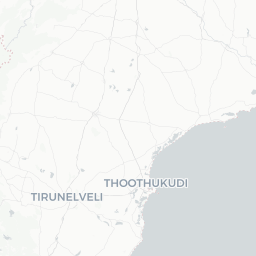
Sāmanattam is a small settlement in Tamil Nadu, India, situated in the broader Madurai district region at approximately 9.87°N, 78.15°E. With a population of roughly 4,500, it is a quiet rural community rather than a tourist destination in the conventional sense. The landscape is characteristic of interior Tamil Nadu — semi-arid in parts, punctuated by agricultural land, tank irrigation systems, and modest village infrastructure.
Visitors who find themselves here are typically passing through the region, conducting research, visiting family, or exploring the rural heartland of Tamil Nadu away from the well-worn temple-circuit trail. Expectations should be calibrated accordingly: there are no major monuments, curated attractions, or established tourism facilities within the settlement itself.
The surrounding region, however, connects to some of Tamil Nadu's richest cultural and historical geography, with Madurai — one of South India's most significant cities — accessible as a base for exploring the wider area.
Before You Go
Visas
India requires a visa for most foreign nationals. For current requirements specific to your nationality, check TravelerPulse's Visas section and the official Indian government immigration authority. Do not rely on third-party summaries for visa decisions.
What to expect
Sāmanattam has very limited tourist infrastructure. Do not expect ATMs, English-language signage, international-standard accommodation, or restaurants catering to foreign dietary preferences within the settlement itself. Bring sufficient cash in Indian Rupees before arriving, as banking facilities should be verified locally.
Health
Consult a travel health professional before visiting rural Tamil Nadu. Common precautions for the region include ensuring routine vaccinations are current, carrying water purification options, and taking mosquito precautions particularly during and after the monsoon season (June–October). Carry a basic first-aid kit and any prescription medications in adequate supply, as pharmacies in small settlements may have limited stock.
Climate
- November–February: Pleasant and relatively cool; the most comfortable period for travel
- March–May: Hot and increasingly dry; temperatures can be intense
- June–September: Southwest monsoon brings humidity and rainfall
- October–November: Northeast monsoon; some rainfall possible
Getting There
Sāmanattam does not have its own rail station or bus terminus of note. The practical approach is to reach a larger nearby hub and travel onward by local transport.
By Air
Madurai Airport (IXM) is the most practical international and domestic entry point for this part of Tamil Nadu, with connections to major Indian cities and some international destinations. Verify current routes and schedules directly with airlines or on official airport sources.
By Rail
Madurai Junction is one of the major rail hubs of South India, well connected to Chennai, Coimbatore, Tiruchirappalli, and other cities. From Madurai, onward travel to Sāmanattam would require local road transport. Check schedules and book rail tickets on the official Indian Railways platform (indianrail.gov.in) or IRCTC.
By Road
State-run Tamil Nadu State Transport Corporation (TNSTC) buses connect many rural settlements across the district network. Private vehicles, auto-rickshaws, or taxis hired from Madurai or another nearby town are the most flexible options. Verify local bus connectivity on arrival or through local inquiry, as rural schedules change.
Getting Around
Within Sāmanattam itself, movement is on foot or by auto-rickshaw for short distances. The settlement is small enough that most points can be reached on foot.
For travel between Sāmanattam and nearby towns, shared auto-rickshaws and local TNSTC buses are the primary options. Hiring a private vehicle or auto-rickshaw for the day from a larger town provides the most flexibility for exploring the surrounding area. Negotiate fares clearly before departure, as meters are rarely used in rural settings.
Road conditions in rural Tamil Nadu can vary; two-wheelers and four-wheel-drive vehicles handle unpaved or poorly maintained stretches better than standard cars.
Things to See & Do
Sāmanattam itself does not have catalogued tourist attractions. The appeal of visiting this part of rural Tamil Nadu lies in observing everyday agricultural and village life, the local tank (eri) irrigation landscape, and the unhurried pace of a small South Indian community.
- Rural landscape walks: The surrounding countryside offers an unstructured way to observe traditional land use, paddy and dryland cultivation, and the tank systems that define this region's hydrology
- Day trips to the wider Madurai region: The area's proximity to Madurai and other heritage sites (see Nearby) makes the settlement a potential quiet base for those who prefer to avoid city crowds
- Local temples: Small Agamic and folk-tradition temples are common features of Tamil villages; respectful visitors are generally welcome but should dress and behave conservatively
Anyone seeking structured sightseeing, museums, or adventure tourism should plan around nearby larger destinations rather than Sāmanattam itself.
Food & Drink
Expect very basic food options within Sāmanattam — small tea stalls (kadai) serving filter coffee, tea, and simple tiffin items such as idli, dosa, and pongal are the norm in settlements of this size. Sit-down restaurants with full menus are unlikely to be found within the settlement; verify locally on arrival.
Tamil Nadu cuisine in this region is predominantly vegetarian in smaller establishments, though non-vegetarian options (chicken, mutton, fish) appear in larger towns. Rice-based meals with sambar, rasam, and vegetable dishes are the staple.
Drinking water: use only bottled or properly treated water. Carry sufficient bottled water if travelling through the area, as availability can be inconsistent in very small settlements.
Practical Information
Money
Carry sufficient Indian Rupees in cash before arriving. ATM availability in Sāmanattam is not confirmed; the nearest reliable banking facilities are likely in a larger nearby town. Verify locally.
Connectivity
Mobile network coverage in rural Tamil Nadu has improved significantly; BSNL, Jio, and Airtel have varying coverage across the region. A local SIM card purchased in Madurai or another city is the most cost-effective option for data. Wi-Fi is unlikely to be available at small local lodgings.
Emergency contacts
- Police: 100
- Ambulance: 108
- Fire: 101
These are national India emergency numbers; local response capacity in small rural settlements may be limited. The nearest hospital with significant facilities is likely in Madurai or another larger town — verify the nearest facility before travelling.
Electricity
India uses 230V/50Hz. Plug types C, D, and M are standard. Power cuts (load shedding) can occur in rural areas; a portable power bank is advisable.
Safety
Sāmanattam is a quiet rural settlement without the crime profile of an urban area. General travel safety in rural Tamil Nadu is considered reasonable, but standard precautions apply: keep valuables secured, avoid isolated areas after dark, and maintain awareness of your surroundings.
Road safety is a more pertinent concern than crime in this context. Rural roads can be narrow, poorly lit at night, and shared with agricultural vehicles, livestock, and two-wheelers. Avoid travelling by road at night where possible.
Women travelling alone should be aware that rural Tamil Nadu, like many rural parts of India, involves an degree of conservative social norms; practical precautions such as travelling with others, dressing conservatively, and arranging trusted transport are advisable.
Local Culture & Etiquette
Sāmanattam is a Tamil-speaking rural community with social norms rooted in traditional South Indian culture. Visitors should be mindful of the following:
- Dress modestly, particularly when near temples or in residential areas. Shoulders and knees covered is the appropriate standard for both men and women
- Remove footwear before entering temples or private homes, following the lead of locals
- Photography: Ask permission before photographing people, particularly women, and be respectful if declined
- Religious observance: Local temples may have specific rules about non-Hindu entry; observe posted notices and ask respectfully
- Tamil is the only language reliably spoken here. Learning a few basic Tamil phrases (vanakkam for greeting, nandri for thank you) is appreciated and practically useful in a community with little English exposure