Overview
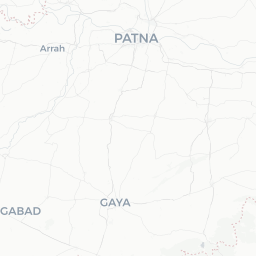
Varanasi — also known as Kashi or Benares — sits on the western bank of the Ganges River in eastern Uttar Pradesh. It is widely regarded as one of the holiest cities in Hinduism, as well as holding significance in Buddhism and Jainism. Pilgrims have come here for millennia to bathe in the Ganges, perform funeral rites, and seek moksha (spiritual liberation).
The city's defining geography is its long arc of ghats: stone staircases descending from the riverbank to the water's edge. There are over 80 ghats in total, each with its own character and history. Life along the ghats moves continuously — from pre-dawn bathing rituals to evening fire ceremonies — giving Varanasi a rhythm unlike almost any other city on earth.
Beyond its spiritual life, Varanasi has a working, layered urban identity. It is a centre of classical Hindustani music, a hub for Banarasi silk production, and home to Banaras Hindu University, one of India's largest residential universities. Visitors who look beyond the ghats will find crowded bazaars, centuries-old temples, and a culinary tradition that takes street food seriously.
Before You Go
Visas
Most foreign nationals require a visa to enter India. Requirements vary significantly by nationality, and rules can change. Check TravelerPulse's Visas section for a starting point and verify current requirements directly with India's official Bureau of Immigration (indianvisaonline.gov.in or the Indian embassy in your country) well before travel.
Health
Consult a travel health professional before visiting. Hepatitis A and typhoid vaccinations are commonly recommended for travel to this region. Mosquito-borne illnesses including dengue fever are present, so use repellent and appropriate clothing. Tap water is not safe to drink — use sealed bottled water or a reliable filter. Water-contact activities in the Ganges carry health risks; assess this carefully before bathing.
What to pack
- Lightweight, modest clothing that covers shoulders and knees for temple visits
- Comfortable sandals or shoes that are easy to remove at temple entrances
- A warm layer for cool winter mornings on the ghats (November–February)
- Sunscreen, insect repellent, and hand sanitiser
- Small bills in INR for chai stalls, auto-rickshaws, and donations
Timing considerations
Major Hindu festivals — particularly Diwali, Dev Deepawali, and Mahashivaratri — draw enormous crowds and inflated accommodation prices. Book well in advance if visiting during these periods, or consider them a highlight rather than a reason to avoid the city.
Getting There
By Air
Lal Bahadur Shastri International Airport (VNS) is located roughly 25 kilometres from the city centre in Babatpur. It handles domestic flights from major Indian cities including Delhi, Mumbai, Kolkata, and Bengaluru, and has limited international connections. Verify current routes and schedules with airlines directly, as these change seasonally.
By Train
Varanasi Junction (BSB) and Manduadih (now renamed Banaras) railway station are the main rail hubs. Varanasi is well connected to Delhi, Kolkata, Mumbai, and most other major Indian cities by Indian Railways. Book tickets through the official IRCTC platform (irctc.co.in) as early as possible, especially during festivals and holiday periods when trains fill quickly.
By Road
Varanasi is accessible by bus from cities like Lucknow, Allahabad (Prayagraj), and Gorakhpur. Private and government-operated buses serve these routes; verify schedules and operators locally. The road journey from Delhi takes around 12–14 hours and is best avoided unless you prefer overnight travel.
From the Airport/Station
Pre-paid taxi counters operate at the airport and at major railway stations. Auto-rickshaws and app-based cabs (Ola, Rapido) are also available from stations. Confirm the fare or meter before departing.
Getting Around
Within the City
The old city (around the ghats and Vishwanath temple) is dense and largely inaccessible to motor vehicles. Walking is the primary — and often only — way to navigate the narrow lanes (called gallis). Allow extra time and accept that you will get turned around; this is part of the experience.
Auto-Rickshaws and Cycle Rickshaws
Auto-rickshaws are practical for travelling between the ghats area and districts like Cantonment, the railway stations, or the university. Cycle rickshaws navigate the old city lanes more easily and are widely used. Negotiate the fare before you board.
Boats on the Ganges
For seeing the ghats themselves, renting a rowboat is one of the best options. Boatmen operate from the main ghats; prices are negotiable. The pre-dawn and early morning hours are a popular time. A longer boat ride allows you to observe the full stretch of ghats from the water.
App-Based Cabs
Ola and similar services operate in Varanasi for longer distances and can be useful for airport runs, though they may not always reach inside the old city lanes. Verify availability at the time of travel.
Things to See & Do
The Ghats
The ghats are the heart of any visit to Varanasi. Dashashwamedh Ghat is the most active and accessible, and is the main site of the nightly Ganga Aarti fire ceremony performed by priests. Assi Ghat, at the southern end, is a gathering point and relatively quieter. Manikarnika Ghat and Harishchandra Ghat are the city's main cremation ghats; these are active around the clock and are considered deeply sacred — visit with quiet respect and follow local guidance on photography.
Ganga Aarti
Every evening at Dashashwamedh Ghat, a coordinated ritual of lamps, incense, and Sanskrit chanting takes place after sunset. Arriving early to secure a viewing spot — either on the steps or from a boat — is advisable, particularly in peak season. There is no entry fee to attend.
Kashi Vishwanath Temple
Dedicated to Lord Shiva, this is among the most venerated temples in Hinduism. The current temple structure dates to the 18th century. A new corridor (the Kashi Vishwanath Dham project) has improved access. Entry restrictions apply to non-Hindus at the inner sanctum; verify the current policy on-site. Dress modestly, remove footwear, and leave bags in designated cloakrooms.
Sarnath
About 10 kilometres north of central Varanasi, Sarnath is where the Buddha delivered his first sermon after attaining enlightenment. The site contains the Dhamek Stupa, ruins of early monasteries, and the Sarnath Museum, which houses the Ashokan Lion Capital — the national emblem of India. It is a half-day excursion from Varanasi; check current museum hours and fees before visiting.
Banaras Hindu University (BHU)
The campus is one of the largest in Asia and includes the Bharat Kala Bhavan museum, which holds a notable collection of miniature paintings, sculpture, and textiles. Check museum hours locally before visiting.
Music and Performing Arts
Varanasi has a long tradition of Hindustani classical music. Evening concerts and recitals do take place, sometimes at cultural centres or around festival times. Ask at your accommodation or local cultural venues for current events rather than relying on fixed listings.
Food & Drink
What to Eat
Varanasi's street food culture is one of its genuine draws. The city has a strong vegetarian tradition rooted in its religious character, though non-vegetarian food is available.
- Kachori sabzi: Deep-fried bread served with spiced potato curry — a common breakfast across the city
- Chaat: Tamatar chaat (tomato-based) is a local specialty; also look for aloo tikki and dahi puri
- Baati chokha: A regional dish of baked wheat balls with mashed roasted vegetables
- Thandai: A spiced, chilled milk drink associated with festivals; available at traditional shops
- Lassi: Varanasi is known for its thick, full-cream lassi served in clay cups at traditional shops around the ghats — notably in the Godowlia and Vishwanath Gali areas
- Malaiyo: A seasonal airy, saffron-flavoured sweet milk foam available in winter mornings
- Paan: Banarasi paan (betel leaf preparation) is considered a local speciality and is widely sold after meals
Where to Eat
Many reliable restaurants cluster around Assi Ghat, Dashashwamedh Ghat, and in the Cantonment area. Rooftop restaurants facing the river are common and give good views; quality varies widely — read recent reviews and use judgment. Drink only bottled or filtered water and be cautious with ice.
Alcohol
Varanasi is a pilgrimage city and many areas near temples are dry or socially conservative regarding alcohol. Licensed restaurants and hotels in certain parts of the city (particularly the Cantonment area) may serve alcohol. Verify locally.
Shopping
Banarasi Silk
Varanasi is India's most famous centre for silk weaving, particularly the heavy brocade fabric known as Banarasi silk, traditionally used for wedding saris. Weavers often work from home-based looms in neighbourhoods like Madanpura and Peeli Kothi. Genuine Banarasi silk carries a Geographical Indication (GI) tag; be sceptical of products sold at very low prices as synthetic imitations are common. Government emporiums (such as the UP Handlooms outlet) are a reliable starting point for price comparison.
Bazaars and Markets
Vishwanath Gali (the lane leading to the main temple) is lined with shops selling religious items, rudraksha beads, brassware, and souvenirs. Thatheri Bazaar is traditionally associated with brassware and metalwork. Godowlia Chowk is a busy commercial junction and good for general browsing.
Other Items
Wooden toys, hand-painted fabrics, and items made from Ganga clay are locally produced crafts. Bargaining is standard in most open-market settings but not in fixed-price government stores.
Practical Information
Money
ATMs are available throughout the city, including near the ghats and in the Cantonment area. Carry some cash in small denominations as many small vendors, boats, and street stalls do not accept cards. UPI-based digital payment (via apps like Google Pay or PhonePe) is increasingly accepted even at small businesses.
Connectivity
SIM cards from Indian telecom providers (Jio, Airtel, Vi) require a passport and passport photo for registration; purchase from an authorised store. Data coverage in the old city can be inconsistent due to the dense, narrow streets. Wi-Fi is available at most hotels and many cafes.
Emergency Contacts
For police emergencies in India, dial 100. Ambulance: 108. Fire: 101. Tourist Police assistance is available; verify the local tourist helpline number on arrival or with your accommodation. The nearest major public hospitals are in the city; ask your hotel for the closest facility.
Electricity
India uses 230V, 50Hz supply. Common plug types are C, D, and M. Power cuts can occur in older parts of the city; hotels usually have backup generators.
Tipping
Not obligatory but appreciated in restaurants, by boat operators, and for guided services. A customary amount is at your discretion.
Safety
General Safety
Varanasi is visited by millions of pilgrims and tourists each year without serious incident. The old city's narrow lanes can feel disorienting and crowded, especially during festivals. Keep a close eye on personal belongings in dense crowds and at busy ghats.
Scams to Be Aware Of
Common patterns include: being led to a silk shop after a 'free' tour, unofficial 'guides' who solicit high commissions, and misleading claims that certain temples or ghats are 'closed today' in order to redirect you elsewhere. If in doubt, verify with your hotel or seek a second opinion.
Water and Food Safety
Do not drink tap water. Exercise caution with raw salads, cut fruit from street stalls, and items washed in local water. Choose busy stalls with high turnover and freshly cooked food.
Solo Travellers and Women
Varanasi, like many busy Indian pilgrimage cities, involves close quarters and persistent attention in tourist areas. Solo women travellers report varying experiences; the ghats can feel safer during daylight hours than deserted lanes at night. Trust your instincts, share your itinerary with someone, and arrange returns to your accommodation before dark if walking alone in unfamiliar areas.
Local Culture & Etiquette
Religious Sensitivity
Varanasi is an active place of worship, not a museum. Cremation ghats are functional sacred spaces where families are grieving — walk past quietly, avoid photographing pyres or mourners without explicit permission, and maintain respectful distance. At temples, remove shoes, dress modestly (cover shoulders and knees), and follow any instructions from temple staff.
Photography
Photography is a sensitive subject in many parts of the city. At the burning ghats, photography of the pyres is strongly discouraged and can cause genuine offence. In temples, photography is often prohibited near the main deity. Always ask before photographing individuals. Some people near the ghats may request payment for being photographed.
Interactions with Touts and Guides
Varanasi has a well-established network of unofficial guides, boat operators, and silk shop touts, some of whom approach visitors with misleading offers. Being politely firm is usually effective. If you want a guided experience, arrange a licensed guide through a reputable travel agency or your accommodation.
Festivals
Dev Deepawali (15 days after Diwali, in November) is when the ghats are illuminated with hundreds of thousands of clay lamps and is considered a spectacular event. Mahashivaratri brings very large crowds to the Vishwanath temple. Plan accommodation and transport well in advance for these dates.