Translate


Overview
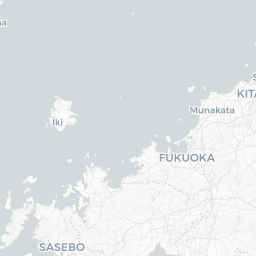
Sue (粕屋郡須恵町) is a small town of roughly 28,000 people in Kasuya District, Fukuoka Prefecture, on the northern island of Kyushu. It sits east of Fukuoka City in a broad residential and semi-rural corridor that connects the prefectural capital with the historically significant town of Dazaifu.
The town is not a major tourist destination in its own right, and that is part of its appeal for travelers who want an authentic slice of everyday Japanese life away from crowded sightseeing circuits. Streets are calm, local izakayas are unpretentious, and rice paddies still edge suburban neighborhoods.
Most visitors to Sue are day-trippers using it as a transit point toward Dazaifu or as an affordable base within easy commuting distance of central Fukuoka. For independent travelers curious about ordinary Japanese town life rather than packaged tourism, Sue offers a genuine, unhurried experience.
Before You Go
Visas
Japan has a visa exemption framework for many nationalities, but entry requirements change. Do not rely on secondhand summaries. Check TravelerPulse's Visas section and confirm current requirements directly with Japan's Ministry of Foreign Affairs (mofa.go.jp) or your nearest Japanese embassy before booking.
Useful preparations
- Cash is still important in smaller Japanese towns. ATMs at convenience stores (7-Eleven, Lawson, FamilyMart) typically accept international cards; verify your card's compatibility before travel.
- Download offline maps and a translation app. English signage is limited in Sue compared with central Fukuoka.
- IC card (Suica/Nimoca/Hayakaken): Load a rechargeable IC transport card before or on arrival in Fukuoka. It works on local trains and buses and simplifies payments.
- Travel insurance: Verify that your policy covers medical evacuation; Japan's healthcare is high quality but can be expensive for uninsured visitors.
- Check Japan's entry health requirements close to your travel date, as these have changed periodically in recent years.
Getting There
From Fukuoka (Hakata/Tenjin)
Sue is served by the JR Kashii Line, which connects Fukuoka City's Kashii Station to stations in the Kasuya area. Travel time from central Fukuoka is typically under 30–40 minutes by local train, though verify current schedules with JR Kyushu (jrkyushu.co.jp).
Nishitetsu (Nishitetsu Bus) operates routes throughout the Kasuya District. Schedules and route numbers change; confirm current services at the Nishitetsu website or at Fukuoka's main bus terminals before traveling.
From Fukuoka Airport
Fukuoka Airport (FUK) is Kyushu's main international hub, approximately 20–30 minutes from central Fukuoka by subway. From the airport, connect via the city subway to Kashii Station or take a bus toward Kasuya District. Verify connection options on arrival, as routing options depend on your specific destination within Sue.
By car
Sue is accessible by road from the Fukuoka Urban Expressway network. Car rental is available at Fukuoka Airport and Hakata Station. A car gives the most flexibility for exploring the surrounding Kasuya countryside, though parking rules and road signs are in Japanese — carry a reliable navigation app.
Getting Around
Sue is a compact town, and many local errands are manageable on foot or by bicycle. Bicycle rental availability should be verified locally, as there is no widely advertised tourist rental infrastructure here.
Local buses connect residential areas, but schedules can be infrequent. Having an IC card loaded and a transit navigation app such as Google Maps or Japan's Jorudan set to Japanese public transit will help considerably.
Taxis are available but less plentiful than in central Fukuoka. Ride-hailing apps have limited coverage in smaller Kyushu towns — verify locally. For excursions to Dazaifu or back into Fukuoka City, the train is the most reliable option.
Things to See & Do
Sue itself has a low-key character, and the most rewarding experiences here tend to be observational and local rather than landmark-driven.
- Explore neighborhood streets and local shrines. Small Shinto shrines (jinja) are scattered throughout the town and are generally freely accessible. They offer quiet moments of cultural context.
- Kasuya District countryside walks. The area retains pockets of farmland and tree-lined paths suited to easy walking, particularly pleasant in spring cherry blossom season or autumn.
- Day trips to Dazaifu. Dazaifu Tenmangu shrine and the Kyushu National Museum are among the most significant cultural sites in the region and are reachable from Sue in under 30 minutes by road or via Futsukaichi on the Nishitetsu line. Confirm travel options locally.
- Fukuoka City proximity. Canal City Hakata, Ohori Park, Nakasu, and the extensive food and nightlife of Tenjin are all within practical reach for day or evening excursions.
Food & Drink
Local dining
Fukuoka Prefecture is celebrated for its food culture, and even smaller towns like Sue benefit from this regional culinary emphasis. Look for local ramen shops serving Hakata-style tonkotsu ramen — rich pork bone broth with thin straight noodles — which is the signature style of the broader Fukuoka area.
Neighborhood izakayas (Japanese gastropubs) are the social heart of towns like Sue. They typically serve grilled skewers (yakitori), small shared plates, and local Kyushu shochu or beer. Pointing at menus or using a translation app is perfectly normal and generally welcomed.
Convenience stores (7-Eleven, Lawson, FamilyMart) in Japan are genuinely good food stops — onigiri, hot foods, and sandwiches are fresh and reasonably priced.
Practical notes
- Many smaller restaurants in Sue may not have English menus. A photo-translation app is useful.
- Dining hours can be limited in smaller towns — lunch service often ends by 2 pm and dinner may start from 6 pm. Verify with individual establishments.
- Tipping is not customary in Japan and can cause awkwardness. Do not tip.
Practical Information
Emergency contacts
Japan's emergency number for police is 110; for fire and ambulance it is 119. These are accurate national numbers, but always verify locally on arrival.
Healthcare
The nearest major hospitals and medical facilities are in Fukuoka City. Sue has local clinics, but English-language medical support is limited. Travel insurance that covers international medical care is strongly recommended.
Connectivity
Mobile data coverage (4G/LTE) is reliable in Sue via major Japanese carriers. Pocket Wi-Fi rental or a Japan-specific SIM card purchased at Fukuoka Airport is the most practical connectivity solution for visitors.
Postal and banking
Japan Post (yuubinkyoku) offices offer currency exchange and ATM services for international cards. Convenience store ATMs are generally the most reliably international-card-friendly option in smaller towns.
Language
Japanese is the only language widely spoken. Basic Japanese phrases (greetings, please/thank you, excuse me) are appreciated. Translation apps with camera functionality are a practical travel tool here.
Safety
Sue and the broader Fukuoka Prefecture have a generally low crime rate by international standards. Standard urban travel precautions apply — secure your belongings and be aware of your surroundings — but visitors typically report feeling safe traveling here.
Natural hazards: Kyushu is seismically active. Familiarize yourself with basic earthquake safety procedures (drop, cover, hold) and note that Japan has a well-developed public alert system. Typhoon season runs roughly June through October; monitor weather forecasts during this period.
Traffic moves on the left side of the road in Japan. Pedestrians should be aware when crossing streets and cycling on shared paths.
Local Culture & Etiquette
Japan has strong social customs around quietness in public spaces, particularly on trains. Keep phone calls brief, speak softly, and set phones to silent or vibrate mode on public transport.
Remove shoes when entering private homes and some traditional restaurants or accommodations — look for a genkan (entrance step) and a row of shoes as a cue. When unsure, follow the lead of locals.
Trash disposal is taken seriously: public bins are scarce, and visitors are expected to carry waste until they find a designated bin or return to their accommodation. Sorting recyclables (cans, bottles, burnable waste) is standard in Japanese households.
Shrines and temples welcome respectful visitors regardless of faith. Bow slightly at the torii gate before entering, and observe any posted instructions. Photography is usually permitted in grounds but may be restricted inside buildings — look for signage.