Traduction

Overview
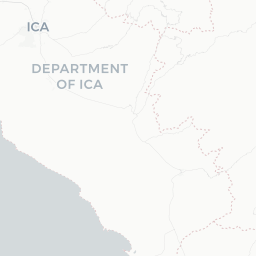
Pisco is a mid-sized port city on Peru's central coast, sitting in the Ica Region about 235 km south of Lima. Despite sharing its name with the grape brandy that is a source of national pride, the city itself is relatively modest — a working coastal town shaped as much by its fishing industry and proximity to spectacular natural reserves as by any single landmark.
The city gained international attention in August 2007 when a magnitude 8.0 earthquake caused widespread destruction, killing hundreds of residents and flattening a significant portion of the historic centre, including the main cathedral on Plaza de Armas. Recovery has been gradual, and visitors today will notice a mix of reconstructed buildings alongside newer construction, giving parts of Pisco a patchwork character.
For most travelers, Pisco serves as a practical staging point. The nearby Paracas peninsula — accessible by road in roughly 15 minutes — hosts one of Peru's most important national reserves, and boat tours to the Ballestas Islands depart from Paracas port. The flamingo-pink salt flats, sea lion colonies, Humboldt penguins, and diverse seabirds make the surrounding area far more visited than the city itself.
That said, Pisco has its own quiet appeal: a rebuilt plaza, local seafood restaurants, and an unpretentious coastal atmosphere that contrasts sharply with the tourist infrastructure of nearby Paracas town.
Before You Go
Visas
Entry requirements for Peru vary by nationality and can change. For accurate, current rules, check TravelerPulse's Visas section and the official Peruvian immigration authority (Superintendencia Nacional de Migraciones) before you travel.
Health
No specific vaccinations are mandatory for the Pisco/Paracas coastal area, but travellers should consult a travel health clinic or their doctor before departing. The coastal desert climate means sun exposure is intense year-round; sunscreen, a hat, and sufficient water are essential. Tap water is not considered safe for drinking — use bottled or purified water.
Climate
Pisco sits within the Peruvian coastal desert and is strongly influenced by the cold Humboldt Current. Summers (December–March) are warm and hazy with high humidity but very little rain. The dry season (May–November) brings cooler temperatures, clearer skies, and the famous garúa (sea mist) in the mornings. Wind can be strong on the coast, particularly in the afternoon.
Connectivity and Cash
Cell coverage from major Peruvian carriers (Claro, Movistar, Entel) is generally available in the city. ATMs exist in Pisco, though availability outside the centre is limited — carry sufficient cash before heading into the national reserve or onto boat tours, as card acceptance is inconsistent at smaller vendors.
Getting There
By Road from Lima
Pisco is the most common way travelers arrive. The Panamericana Sur (Pan-American Highway South) connects Lima to Pisco in approximately 3.5–4 hours depending on traffic. Several bus companies operate services from Lima's terminals in Miraflores and Javier Prado; verify current schedules and booking options at bus company offices or aggregator sites, as timetables change seasonally.
By Road from Ica
Ica city, the regional capital, is about 70 km southeast of Pisco along the Panamericana. Frequent shared taxis (colectivos) and buses run between the two cities throughout the day, making it easy to combine both destinations. Verify departure points and fares locally, as these routes are informal.
Nearest Airport
The closest commercial airport with regular scheduled flights is Jorge Chávez International Airport in Lima (LIM). There is no commercial air service directly into Pisco, though Pisco does have a small airport historically used for military and emergency purposes. All practical air access goes through Lima.
Getting Around
Within Pisco itself, mototaxis (three-wheeled motorcycle taxis) are the dominant local transport and are found throughout the city. They are inexpensive and practical for short hops, but negotiate the fare before boarding. Standard taxis are also available, especially for trips to Paracas (verify fares locally).
Walking is feasible in the city centre around the Plaza de Armas and the market area. Distances in the core are short, though the urban layout beyond the centre is spread out and less walkable.
For Paracas and the Ballestas Islands, most visitors arrange transport through their accommodation or travel agencies in Pisco or Paracas town. Organised day tours from Pisco that include boat transfers are widely available and worth comparing before booking.
Things to See & Do
Paracas National Reserve
The primary draw for visitors in the region is the Reserva Nacional de Paracas, a protected area of desert peninsula, Pacific coastline, and offshore islands covering more than 300,000 hectares. Flamingos feed in the bay, condors occasionally soar overhead, and the ochre cliffs against the Pacific make for some of the most striking coastal scenery in South America. Entry fees apply; verify current rates at the reserve entrance.
Ballestas Islands
Boat tours to the Islas Ballestas depart from Paracas port (not from Pisco city itself) and take visitors past sea lion colonies, Humboldt penguins, Peruvian boobies, pelicans, and other marine wildlife. En route, boats pass the Candelabra geoglyph etched into the hillside — its origin and purpose remain debated among researchers. Tours typically last two to three hours; book through established agencies and confirm departure times and weather conditions before going.
Plaza de Armas and Cathedral
Pisco's central square was substantially rebuilt following the 2007 earthquake. The reconstructed cathedral is a reference point for understanding both the city's pre-quake character and its ongoing recovery. The plaza functions as the social heart of the city.
Local Market
The central market near the plaza is a good place to observe everyday life in Pisco, buy fresh produce, and sample local snacks. It is most active in the mornings.
Pisco Bodegas (Nearby)
While the pisco brandy industry is more closely associated with the Ica Valley and Nazca areas, small bodegas (wineries/distilleries) can be visited in the broader Ica Region. Confirm which are open to visitors and how to arrange tours before planning a visit, as access varies.
Food & Drink
Pisco's coastal location means fresh seafood is the backbone of local cooking. Ceviche — raw fish cured in lime juice with onions, chili, and salt — is the dish most closely associated with this stretch of coast and is widely available in local cevicherías. Tiradito (a Japanese-influenced Peruvian raw fish dish) and fried fish plates are also common.
Cauche de mariscos (seafood stew) and arroz con mariscos (rice with mixed seafood) reflect the Andean-coastal fusion that characterises Peruvian coastal cuisine more broadly. Portions tend to be generous and prices at local restaurants are typically lower than in Lima or Paracas resort hotels.
Pisco sour — the cocktail made with pisco brandy, lime juice, egg white, and bitters — is the national drink and available throughout the region. Chicha morada, a non-alcoholic purple corn drink, is another local staple worth trying.
The main concentration of restaurants for visitors is near the Plaza de Armas. Paracas town, 15 minutes away, has a wider range of restaurants catering to international tourists, generally at higher prices.
Practical Information
Emergency Numbers
Peruvian emergency numbers include the national police (PNP) and general emergency services; verify current numbers locally or through your accommodation on arrival, as they can differ by region.
Money
The Peruvian Sol is the currency for all transactions. ATMs are present in central Pisco but not always reliable — withdraw cash in Lima or Ica if you anticipate needing significant funds. Smaller restaurants and market vendors typically deal in cash only.
Pharmacies and Medical
Pharmacies (farmacias) are found in the city centre. For serious medical issues, the regional hospital in Ica city offers more comprehensive facilities than local Pisco clinics; travellers with significant conditions should confirm coverage and facility standards before visiting. Travel insurance with medical evacuation coverage is strongly recommended.
Time Zone
Pisco observes Peru Standard Time (UTC−5) year-round. Peru does not observe daylight saving time.
Electricity
Peru uses 220V/60Hz with Type A and Type C outlets. Travelers from North America should bring a voltage converter for devices not rated for dual voltage.
Safety
Pisco is a relatively calm provincial city, but standard precautions apply. Petty theft — pickpocketing and bag snatching — occurs in crowded areas such as markets and bus terminals. Keep valuables secure and avoid displaying expensive electronics unnecessarily.
The 2007 earthquake rebuilt much of the city but some older structures may still have structural vulnerabilities; this is worth noting as Peru sits in an active seismic zone. Familiarise yourself with emergency exit procedures at your accommodation.
At the coast and on boat tours, respect weather and sea conditions. The Pacific off Paracas can be rough, particularly in the afternoons when wind picks up. Follow crew instructions on boat tours and check conditions before departure.
When using mototaxis, agree on the fare upfront and avoid riding after dark in unfamiliar areas. At night, stick to well-lit central streets.
Local Culture & Etiquette
Pisco's civic identity has been shaped significantly by the 2007 earthquake, which remains a living memory for most residents. Travellers should approach the topic with sensitivity — local guides and residents may speak openly about the experience, but it is worth listening rather than leading with questions.
The city celebrates the Virgen del Carmen and other Catholic feast days with processions that reflect the deep religiosity of coastal Peruvian communities. If visiting during a local festival, expect streets to fill with music, food stalls, and communal gatherings.
As with all of Peru, greetings are important social currency. A simple 'buenos días' (good morning) or 'buenas tardes' (good afternoon) when entering a shop or restaurant is expected and appreciated. Basic Spanish goes a long way; English is not widely spoken outside businesses catering specifically to tourists.