Overview
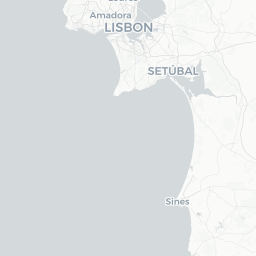
Bairro do Alto da Boavista is a small, predominantly residential neighbourhood on the western side of Lisbon, sitting at an elevated position that gives it views toward the Tagus estuary and the hills of the wider Ajuda parish. With a population of roughly 3,400, it is one of the city's quieter districts — less visited by tourists than Alfama or Chiado, but valued by locals for exactly that reason.
The neighbourhood's urban fabric is a mix of modest mid-century apartment buildings, older two- and three-storey houses, and small local shops serving the community. Broad avenues from Lisbon's westward expansion pass nearby, connecting Alto da Boavista to the rest of the city without disrupting its neighbourhood feel.
For travellers, Alto da Boavista functions best as a calm base from which to explore the culturally rich western corridor of Lisbon — including the Palácio Nacional da Ajuda, the Jardim Botânico da Ajuda, and the world-famous monuments of Belém, all within easy reach. Those who stay here tend to experience a more everyday Lisbon, shopping at neighbourhood bakeries and taking coffee at counters alongside regulars.
Before You Go
Visas
Portugal is a member of the Schengen Area. Visa requirements vary by nationality. Do not rely on general summaries — check TravelerPulse's Visas section and consult the official Portuguese immigration authority (SEF/AIMA) or your nearest Portuguese consulate before travel.
Health & Insurance
Portugal has a public health system (SNS). EU/EEA citizens should carry their European Health Insurance Card (EHIC). All other travellers should arrange comprehensive travel health insurance before departure. No unusual vaccinations are required for mainland Portugal; verify current recommendations with your own health authority.
What to Pack
The western hills of Lisbon can be noticeably breezy even in summer. A light layer is useful in the evenings year-round. Comfortable walking shoes with grip are advisable — surrounding streets include steep inclines.
Getting There
By Air
Humberto Delgado Airport (LIS) serves Lisbon with extensive European and intercontinental connections. From the airport, the Metro's Red Line reaches Oriente and connects to the broader network; from there, buses serve the western neighbourhoods. A taxi or rideshare directly to Alto da Boavista is straightforward and avoids multiple transfers — verify current fares with the driver or app before departing.
By Bus within Lisbon
Carris, Lisbon's municipal bus operator, runs several lines through the Ajuda and Boavista areas. Bus routes and timetables change periodically; check the current Carris network map or the official Carris website before your visit. The neighbourhood does not have a Metro station of its own, so bus or tram connections from stations such as Belém or Algés are typical entry points for visitors.
By Train
Caminhos de Ferro (CP) suburban trains on the Cascais Line stop at Belém and Algés stations, both within comfortable distance. From either station, local buses or a short taxi ride reach Alto da Boavista.
Getting Around
Within Alto da Boavista itself, most daily errands and local exploration are done on foot, though the terrain includes some slopes. The neighbourhood connects naturally by bus to Belém (for the Torre de Belém, Jerónimos Monastery, and MAAT) and to the city centre.
Lisbon's Viva Viagem reloadable card works across Metro, Carris buses, and CP suburban trains, making it the most practical option for multi-modal travel. Cards can be purchased and topped up at Metro station vending machines. Rideshare apps (Uber, Bolt) operate throughout Lisbon and are a reliable fallback for off-peak hours when bus frequency drops.
Cycling infrastructure in this part of Lisbon is limited and the gradients can be challenging; e-bikes from city hire schemes are an option worth exploring if you are comfortable cycling on urban streets.
Things to See & Do
In and Around the Neighbourhood
Alto da Boavista's own appeal is in its unhurried local atmosphere — early-morning markets, the rhythms of a working neighbourhood, and the elevated views that appear unexpectedly at the ends of certain streets. It rewards slow, aimless walking more than a checklist approach.
Palácio Nacional da Ajuda
A short walk or bus ride away, this 19th-century royal palace contains significant decorative arts collections. Opening hours and admission fees change; verify on the palace's official site before visiting.
Jardim Botânico da Ajuda
Believed to be one of the oldest botanical gardens in Portugal, the Jardim Botânico da Ajuda is adjacent to the palace and offers a structured, shaded garden experience. Confirm opening hours locally.
Belém Monuments and Museums
The wider Belém district — reachable in minutes — contains some of Portugal's most significant historic sites: the UNESCO-listed Mosteiro dos Jerónimos, the Torre de Belém, the Museu Nacional dos Coches (National Coach Museum), and the contemporary MAAT (Museum of Art, Architecture and Technology). Each has its own ticketing; check official websites for current prices and timed-entry requirements.
Riverside Walking
The Tagus riverside path extending through Belém and toward Algés offers flat, accessible walking with water views, and is popular with locals for morning exercise.
Food & Drink
The food scene in Alto da Boavista is local and unpretentious. Neighbourhood tascas (small traditional restaurants) and pastelarias (pastry and coffee shops) are the dominant format — these places serve working lunches and early dinners for residents rather than tourist menus.
Look for the daily lunch special (prato do dia), typically a meat or fish dish with rice or potatoes and salad, which offers good value. Bacalhau (salt cod) prepared in various ways and grilled fish are reliable staples. Bifanas (pork roll sandwiches) and pastéis de nata (custard tarts) are the quintessential street-food snacks.
For a broader dining choice, the Belém waterfront has a range of cafés and restaurants, from casual to sit-down. The famous Pastéis de Belém bakery (Antiga Confeitaria de Belém), which claims the original custard tart recipe, is a short ride away and worth a visit — expect queues, particularly on weekends.
Tap water is safe to drink throughout Lisbon. Portuguese wines, including Alentejo reds and Vinho Verde whites, are widely available and reasonably priced compared to many Western European cities. Ginjinha (sour cherry liqueur) and Licor Beirão appear on most bar menus as digestifs.
Practical Information
Emergency Numbers
The pan-European emergency number 112 connects to police, fire, and medical services throughout Portugal.
Money
ATMs are widely available in Lisbon. Contactless card payment is accepted at most shops and restaurants, though small neighbourhood tascas may prefer cash — carry a small amount as a backup.
Connectivity
Free Wi-Fi is available at many cafés and some public spaces. Portuguese SIM cards with data can be purchased at the airport or phone shops; EU roaming rules apply for eligible European plan holders.
Accessibility
The sloped terrain around Alto da Boavista presents challenges for wheelchair users and those with limited mobility. Footpaths vary in quality. Belém's riverside area is considerably flatter and more accessible.
Useful Apps
Carris/Metro Lisboa apps for transit; Uber or Bolt for rideshare; Google Maps works reliably for navigation in this part of Lisbon.
Safety
Lisbon is generally considered a safe city, and Alto da Boavista's residential character means it sees very low levels of tourist-targeted crime. Standard urban precautions apply: be aware of your surroundings on busy transit routes, keep bags secured in crowded areas, and avoid leaving valuables visible in parked cars.
The neighbourhood is quiet in the evenings; it lacks the lively nightlife of central Lisbon, which can make streets feel deserted after dark. This is not usually a safety issue, but solo travellers may prefer to plan evening outings toward busier adjacent areas. Check your government's current travel advisory for Portugal before departure.
Local Culture & Etiquette
Alto da Boavista sits within the parish of Ajuda, an area historically associated with the Portuguese royal court — the Palácio da Ajuda was built after the royal family relocated following the 1755 earthquake that devastated much of Lisbon. This history gives the wider district a particular character distinct from the medieval Moorish-influenced Alfama or the Pombaline grid of the Baixa.
Daily life in the neighbourhood reflects mainstream Lisbon working-class and middle-class culture: football is followed closely (Sporting CP and Benfica command fierce local loyalties), Sunday is still largely a family and rest day, and mealtimes are later than many Northern European visitors expect — lunch from around 1 pm, dinner rarely before 7:30–8 pm.
Portuguese is the sole working language of the neighbourhood. While English is understood by many younger residents and in tourist-facing businesses, in a local tasca or corner shop a few words of Portuguese — olá (hello), obrigado/obrigada (thank you), por favor (please) — will be met with visible appreciation.