Overview
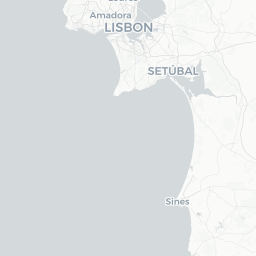
Campo Grande is a northern residential district of Lisbon, centered on the long, tree-lined park that shares its name. Unlike the heavily visited historic neighborhoods of Alfama or Belém, Campo Grande has the feel of a working Lisbon district — universities, hospitals, government offices, and apartment blocks alongside a genuinely pleasant green corridor that locals use daily.
The district sits roughly between the airport and the city center, making it a practical base that still connects easily to Lisbon's main attractions. Its population of around 15,000 within the immediate area reflects a neighborhood scale rather than a tourist destination, which is part of its appeal for travelers who prefer quieter surroundings.
Campo Grande's centerpiece is the Parque do Campo Grande, a long, narrow park with two ponds, willow trees, cafés, and weekend activity that feels authentically Lisbon. The University of Lisbon's main campus borders the park to the east, lending the area an academic energy and keeping the surrounding streets lively with students and staff.
Before You Go
Portugal is a member of the European Union and the Schengen Area, which affects entry requirements for visitors from most countries. For specific visa rules applicable to your nationality, check TravelerPulse's Visas section and consult the official Portuguese immigration authority (SEF / AIMA) before you travel.
Health and Practicalities
- Portugal's public health system is accessible to EU citizens with a European Health Insurance Card (EHIC). Non-EU visitors should carry adequate travel health insurance.
- Tap water is safe to drink throughout Lisbon, including Campo Grande.
- The district has several pharmacies (farmácias) indicated by green cross signage; at least one in the wider area operates extended or 24-hour hours on a rotating schedule — verify locally.
- Campo Grande is a year-round destination with no significant seasonal closure of attractions, though university areas are quietest in July and August.
Getting There
Campo Grande is one of the most convenient Lisbon districts for arrivals by air, as it lies only about 3–4 kilometers from Humberto Delgado Airport (Lisbon Airport, LIS). The Lisbon Metro's Red Line connects the airport to Campo Grande station with no interchange required, making the journey straightforward and inexpensive — verify current fares and schedules at the Metropolitano de Lisboa official website.
By road, Campo Grande is accessible from the A1 (motorway to Porto) and IC17 ring routes. If arriving by long-distance coach, Lisbon's main Sete Rios bus terminal is walkable or one metro stop from Campo Grande, and Oriente railway station (served by intercity and international trains) is a short metro ride away on the Red Line.
For travelers already in central Lisbon, Campo Grande is served by metro (Yellow and Red lines intersect at Campo Grande station) and several bus routes. Journey times from Baixa-Chiado or Rossio are typically under 20 minutes by metro.
Getting Around
Within Campo Grande itself, most points of interest are walkable. The park runs roughly north to south and can be walked end-to-end in about 20–25 minutes at a comfortable pace. The university campus, museum, and main commercial street are all within easy reach on foot.
Lisbon's integrated public transport network (Carris buses and the Metro) connects Campo Grande to the rest of the city efficiently. The Navegante card (a rechargeable contactless travel card) offers better value than single tickets if you plan multiple trips — pick one up at any metro station. Verify current pricing on the Carris/Metro Lisboa websites.
Ride-hailing apps (Uber, Bolt, and Free Now are all active in Lisbon) work reliably in this area. Cycling infrastructure has been expanding in Lisbon, and some Gira (city bike-share) stations are present in the broader district — verify current station locations on the Gira app or website.
Where to Stay
Campo Grande is not a major hotel district; accommodation here is predominantly apartments available through short-term rental platforms, which suits travelers who want a quieter residential base with good transit access. This arrangement works well for families or those staying several nights who prefer self-catering.
For a wider selection of hotels at various price points, the neighboring areas of Entrecampos, Saldanha, and Picoas (all within two metro stops) have more traditional hotel stock. The airport proximity also means several business-oriented hotels cluster just south of Campo Grande along the Avenida de Roma corridor — verify availability and current rates on standard booking platforms.
When selecting accommodation, confirm the exact metro line and stop. Campo Grande station is served by both the Yellow Line and the Red Line, which is a significant connectivity advantage.
Things to See & Do
Parque do Campo Grande
The park is the district's main draw. Two reed-fringed ponds attract ducks and herons, and the paths under mature plane and willow trees are popular with joggers, families, and people simply sitting out. A small outdoor café operates within the park (hours vary by season — verify locally). Weekend afternoons bring a relaxed local crowd that gives a good sense of everyday Lisbon life.
Museu Nacional de História Natural e da Ciência
Portugal's National Museum of Natural History and Science is located on the edge of the University of Lisbon campus near Campo Grande. It houses zoological, mineralogical, and botanical collections as well as a science museum component. Admission fees and opening hours should be confirmed on the museum's official website before visiting, as they change periodically.
University of Lisbon Campus
The main campus of the Universidade de Lisboa occupies a large area adjacent to the park. The grounds and some faculty buildings are generally open and pleasant to walk through. The university's botanical garden (Jardim Botânico da Ajuda is elsewhere, but check whether the faculty gardens are accessible during your visit).
Proximity to Other Lisbon Attractions
Campo Grande's location makes it a good launching point for day visits to the Cidade Universitária, the Gulbenkian Museum (roughly 2 km south), and the Jardim Zoológico (Lisbon Zoo), which is one metro stop away at the Jardim Zoológico station.
Food & Drink
Campo Grande's food scene is oriented toward residents and students rather than tourists, which generally means honest portions, lower prices, and menus in Portuguese. Rua Professor Francisco Gentil and the streets immediately surrounding the metro station have a concentration of cafés, tascas (small traditional restaurants), and snack bars.
Expect standard Portuguese café culture: a bica (espresso) and a pastel de nata (custard tart) in the morning, and a set lunch menu (prato do dia) at tascas offering soup, main course, and sometimes a drink for a fixed price. Grilled fish, bacalhau (salt cod) preparations, and bifanas (pork sandwiches) are common. Several chain supermarkets and bakeries are within walking distance for self-catering.
The park itself has at least one café terrace that operates when weather allows — a pleasant spot for a drink in warmer months, though hours are seasonal. For a broader restaurant selection, the nearby Entrecampos and Saldanha neighborhoods (one to two metro stops south) offer more variety.
Practical Information
Emergency Services
- European emergency number: 112 (police, fire, ambulance)
- The Hospital de Santa Maria (one of Lisbon's main public hospitals) is located very close to Campo Grande — useful to know for medical needs.
Money
ATMs (Multibanco) are present near the metro station and on main commercial streets. Most cafés and shops accept card payments, though smaller tascas occasionally prefer cash — carry a small amount.
Connectivity
Free Wi-Fi is available on the metro and at many cafés. Portuguese SIM cards can be purchased at the airport or phone shops; EU roaming rules apply for European visitors.
Useful Apps
- Metro Lisboa — metro maps and journey planning
- Carris — bus routes and real-time arrivals
- Gira — city bike-share
- Ride-hailing: Uber, Bolt, Free Now
Accessibility
Campo Grande metro station has lift access. The park paths are mostly flat and paved, making the main green space reasonably accessible for mobility-impaired visitors. Verify specific accessibility details for museum and university facilities directly with those venues.
Safety
Campo Grande is a safe, ordinary Lisbon residential district. Petty theft (pickpocketing) is the most relevant concern for visitors in Lisbon generally, though Campo Grande sees far less of this than tourist-heavy areas like Alfama or the waterfront. Standard urban precautions apply: keep bags in front of you in crowded spaces and avoid leaving valuables visible in parked cars.
The park is well-used and generally safe during daylight hours. As with any urban park, exercise normal awareness after dark. The area around the metro station and main streets is busy throughout the day and into the evening.
If you need to report a crime, Lisbon has a dedicated tourist police unit (PSP Tourist Police) in the city center — verify their current location and contact details locally or through your accommodation.