Overview
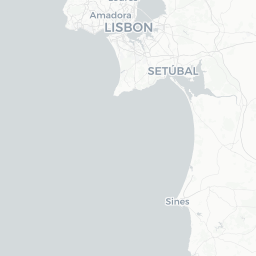
São Jorge de Arroios is a civil parish (freguesia) in the eastern part of central Lisbon, sitting just beyond the more-visited Intendente and Anjos neighbourhoods. With a population of roughly 23,000, it has long been one of Lisbon's more culturally mixed areas, home to communities with roots in Portugal, Cape Verde, Brazil, Bangladesh, and elsewhere.
The parish is not a headline tourist destination, and that is precisely its appeal. Visitors here encounter the rhythms of everyday Lisbon: local cafés serving morning galão, neighbourhood tascas packed at lunch, and small grocery shops that serve a genuinely local clientele. The streets are mostly flat compared to the famously hilly western parts of the city, making walking easier.
Arroios sits within easy reach of Avenida Almirante Reis, one of Lisbon's main northern arteries, and benefits from strong metro and bus connections to the rest of the capital. Travellers who base themselves here trade postcard scenery for authenticity and, generally, better value accommodation.
Before You Go
Visas
Portugal is a Schengen Area member. Visa requirements vary significantly by nationality. Do not rely on generalised advice — check TravelerPulse's Visas section and consult the official Portuguese immigration authority (SEF/AIMA) or your nearest Portuguese consulate before travel.
Health
No destination-specific vaccinations are required for Portugal. Tap water is safe to drink. European Health Insurance Cards (EHIC or GHIC for UK residents) are accepted at public health facilities, but travel insurance with medical cover is recommended regardless of nationality. Verify current health entry requirements on official sources before departure.
What to bring
- Comfortable walking shoes; some streets have uneven cobblestones
- A light layer even in summer — Atlantic evenings can be cool
- Cash for small local businesses, though card payment is widely accepted
- A basic phrasebook or translation app; English is less commonly spoken here than in tourist-heavy districts
Getting There
By air
Humberto Delgado Airport (LIS) serves Lisbon and is one of Europe's better-connected airports. It is located approximately 8–10 km north of São Jorge de Arroios. The Lisbon Metro's Red Line connects the airport to Oriente station; from there you can transfer to reach the Arroios area. Taxis, Uber, and other ride-hailing services operate from the arrivals hall. Verify current fares and journey times locally.
By train
Lisbon's Santa Apolónia and Oriente stations handle long-distance and international rail services. Both are accessible by metro from the Arroios area. CP (Comboios de Portugal) operates intercity and regional services; check cp.pt for current timetables and fares.
By bus
International and intercity coaches (including Rede Expressos and Flixbus) serve Sete Rios bus terminal and Oriente station. Both are connected to the Arroios area via metro.
Getting Around
Metro
The Lisbon Metro's Green Line runs along Avenida Almirante Reis with the Arroios station sitting directly within the parish — this is your most reliable connection to the rest of the city. The Intendente and Anjos stations are also nearby. Validate your ticket before boarding; inspections are regular.
Bus and tram
Carris operates the city's bus and tram network. Several bus routes serve Avenida Almirante Reis and surrounding streets. The Viva Viagem card (reloadable) is the most practical ticketing option for frequent use; verify current fares at carris.pt or metro stations.
Walking
Much of São Jorge de Arroios and the adjacent neighbourhoods of Intendente, Mouraria, and Anjos is walkable. The relative flatness of this part of Lisbon makes it more forgiving than hillier districts.
Taxis and ride-hailing
Uber, Bolt, and licensed taxis (identifiable by their cream or black-and-green livery) are readily available. Always confirm the fare or use the app estimate before departing.
Things to See & Do
Praça do Intendente Pina Manique
Just on the edge of the Arroios parish, this recently renovated square anchors the Intendente neighbourhood. It is a genuine community gathering point, lined with azulejo-decorated buildings and the landmark Fábrica de Cerâmica Viúva Lamego tile shop. The square hosts occasional markets and community events — check local listings on arrival.
Mercado de Arroios
Arroios has its own municipal market serving local residents. It is a good place to observe daily commerce, buy fresh produce, and get a sense of the neighbourhood's multicultural character. Verify current opening days and hours locally as these can change.
Street art and murals
The broader Arroios–Anjos corridor has become a recognised hub for Lisbon's street art scene. Murals by local and international artists appear on building facades along Rua de Arroios and side streets. No admission fee; the artwork changes over time.
Fado and live music
Several small fado houses and music venues operate in this part of Lisbon. These tend to be less staged than those in Alfama catering to tour groups. Ask locally or check current listings through Time Out Lisboa or agenda.culturalLisboa.pt for what is on during your visit.
Day-trip access
The parish's central location makes it a logical base for visiting Alfama, Mouraria, the Baixa-Chiado area, and Belém — all reachable by metro or tram within 15–30 minutes.
Food & Drink
Local eating culture
Arroios rewards those willing to eat where locals eat. Tascas — small, informal restaurants — dominate, typically offering a prato do dia (dish of the day) at lunch that represents good value. Menus frequently include bacalhau (salt cod), grilled meats, and seasonal vegetables. Dinner service typically starts later than Northern European visitors expect, rarely before 19:30–20:00.
Multicultural food scene
Reflecting the parish's diverse population, the area has a notable concentration of Cape Verdean, Brazilian, South Asian, and Chinese restaurants and food shops alongside Portuguese establishments. Avenida Almirante Reis and its side streets are good hunting grounds.
Coffee culture
Lisbon's café culture is present here in a neighbourhood rather than tourist form. A bica (espresso) or galão (milky coffee) at a counter is an inexpensive local ritual. Pastéis de nata are available at most pastelarias.
Practical notes
- Many small tascas close on Sundays; check ahead
- Tap water is safe and free to request with meals
- Tipping is not mandatory but rounding up or leaving a small amount is customary
- Lunchtime (roughly 12:30–14:30) is when the best-value daily menus are available
Practical Information
Emergency numbers
Portugal's general emergency number is 112 (police, fire, ambulance). The PSP (Polícia de Segurança Pública) handles urban policing. Verify the non-emergency police number for tourist assistance locally.
Medical care
The nearest hospital with an emergency department is Hospital de Santa Maria (verify current operational details locally). Pharmacies (farmácias) are identifiable by a green cross sign and can provide advice for minor ailments; many have English-speaking staff. A rotating duty pharmacy (farmácia de serviço) is always open in each district — check the notice posted on pharmacy doors.
Money
ATMs (Multibanco) are available on Avenida Almirante Reis and surrounding streets. Dynamic currency conversion at ATMs often offers poor rates — select to be charged in euros. Most restaurants and shops accept card payment, but carry some cash for markets and very small establishments.
Connectivity
Free Wi-Fi is available at some cafés and public spaces. Portuguese SIM cards are available at phone shops and the airport; EU roaming rules mean EU mobile plan holders generally use their home allowance without extra charges (verify with your provider).
Electricity
Portugal uses Type F (Schuko) plugs at 230V/50Hz. Travellers from the UK, US, or elsewhere should bring the appropriate adapter.
Safety
São Jorge de Arroios is broadly safe for travellers who take standard urban precautions. Like several central Lisbon parishes, parts of the area have historically had higher rates of petty theft — pickpocketing and bag-snatching — particularly around busy streets and public transport stops. Keep bags in front of you, avoid displaying expensive items unnecessarily, and be alert at metro stations.
The neighbourhood has seen significant investment and community renewal in recent years, and its streets are generally active and well-used during daytime and early evening hours. Exercise the same awareness you would in any urban residential district at night.
Portugal's Tourist Police (PSP Tourist Support) can assist with reporting incidents; consult your accommodation or the local PSP station for the current contact point.