Translate


Overview
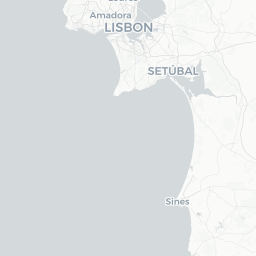
Trafaria is a small town of roughly 5,600 residents sitting on the south bank of the Tagus estuary, directly across the river from Belém in Lisbon. It belongs to the municipality of Almada in the district of Setúbal, and its position at the point where the Tagus meets the Atlantic gives it a distinctive, breezy character quite unlike the bustle of the capital visible from its shore.
For most of its history Trafaria was a working fishing and boat-building community. Traces of that maritime past survive in the older streets near the waterfront, where modest whitewashed houses sit close together and the smell of the river is never far away. The town is not a polished tourist destination, and that is largely its appeal: visitors come for the ferry crossing, the open views toward the Cristo Rei statue and the 25 de Abril Bridge, and easy onward access to the long sandy beaches of Costa da Caparica to the south.
Because of its small size, Trafaria rewards slow exploration on foot. There are no major museums or monuments, but the riverfront promenade, the local cafés, and the unhurried pace of daily life offer an authentic slice of suburban Portuguese life that is increasingly rare so close to Lisbon.
Before You Go
Visas
Portugal is a member of the European Union and the Schengen Area. For specific visa requirements relevant to your nationality, check TravelerPulse's Visas section and verify directly with the Portuguese Immigration and Borders Service (SEF/AIMA) or your nearest Portuguese consulate before travel.
What to pack
- Light layers are useful year-round; Atlantic winds can make evenings cool even in summer.
- Sun protection is essential from May through September — the coastal light is intense.
- Comfortable walking shoes for the waterfront and surrounding streets.
- Cash is worth carrying; smaller cafés and local shops may not accept cards.
Health and documents
No destination-specific health requirements apply to Trafaria beyond standard travel best practice for Portugal. Carry your EHIC or GHIC (for eligible EU/UK travelers) or ensure private travel health insurance covers the trip. Keep a copy of your passport separate from the original.
Getting There
From Lisbon by ferry
The most atmospheric and practical way to reach Trafaria is by Transtejo ferry from Belém (Cais do Sodré area terminals — verify the current Belém–Trafaria/Porto Brandão service with Transtejo at their official website before travel, as schedules change seasonally). The crossing takes around 15–20 minutes and gives excellent views of the 25 de Abril Bridge, the Cristo Rei statue, and the Lisbon skyline. Confirm current timetables and fares locally or on the Transtejo site.
By road
Trafaria is accessible by car via the A2 motorway south from Lisbon, crossing the 25 de Abril Bridge, then following local roads toward Almada and the coast. Driving from central Lisbon typically takes 20–40 minutes depending on bridge traffic, which can be significant during peak hours. Street parking in Trafaria itself is limited.
Nearest airports
Humberto Delgado International Airport (LIS) in Lisbon is the primary gateway. From the airport, the city centre is the natural first stop; onward travel to Trafaria is then by ferry or road as described above.
Getting Around
Trafaria is small enough to navigate almost entirely on foot once you arrive. The waterfront, main square, and local streets are all within easy walking distance of the ferry landing.
For onward travel along the coast — particularly to Costa da Caparica — local buses operated by Carris Metropolitana connect Trafaria with the beach strip. Verify current routes and frequency locally or on the Carris Metropolitana website, as services are subject to change. A car or taxi gives more flexibility for exploring the wider Almada peninsula and the Costa da Caparica coastline.
Taxis and rideshare apps (Uber and Bolt are available in the greater Lisbon/Almada area) can be used for transfers, though availability in Trafaria itself may be limited compared to the city — verify locally.
Things to See & Do
The waterfront and river views
Trafaria's most rewarding activity is simply spending time on the riverfront esplanade. The views across the Tagus toward Belém, the 25 de Abril Bridge, and the Cristo Rei statue are genuinely striking, and the perspective — looking back at Lisbon from the south bank — is different from anything available in the city itself. Sunrise and late afternoon light are particularly good for photography.
Ferry crossing
The ferry ride between Trafaria and Belém is itself one of the highlights of visiting. Even if you do not linger long in the town, the crossing offers an unhurried way to see the estuary and the Lisbon skyline from the water, at a fraction of the cost and effort of a boat tour.
Costa da Caparica beaches
Trafaria sits at the northern tip of the Costa da Caparica, one of the longest continuous stretches of Atlantic beach in Portugal. The beaches begin just south of town and extend for roughly 30 kilometres. Different sections draw different crowds — surfers, families, and younger visitors each tend to gravitate toward different numbered beach access points. Water quality and conditions vary; check local flags and lifeguard information on the day.
Almada and Cristo Rei
The town of Almada and the Cristo Rei monument (a large Christ the King statue with a panoramic viewing platform) are a short drive or bus ride away and are natural complements to a visit to Trafaria. Verify opening hours and any admission fees directly with the Cristo Rei site before visiting.
Food & Drink
Trafaria has a modest selection of local cafés and restaurants reflecting its working-town character. Seafood and grilled fish feature prominently, as you would expect from a coastal community with fishing roots. Bacalhau (salt cod) preparations, grilled sea bass (robalo), and fresh sardines when in season are reliable choices.
Pastéis de nata (custard tarts), bifanas (pork rolls), and other everyday Portuguese snacks are available in the town's cafés. Expect honest, unfussy cooking rather than fine dining — which for many visitors is exactly the point.
Local table wine and Sagres or Super Bock beer are the standard drinks. Coffee culture is central to daily life; a café at the counter (uma bica) is the norm. For a wider restaurant choice, Almada and Costa da Caparica are nearby. Specific restaurant recommendations should be verified locally as businesses open and close frequently in small towns.
Practical Information
Emergency contacts
Portugal's general emergency number is 112 (police, fire, and medical). For non-emergency police contact, the local GNR or PSP station can be located via the Portuguese national police websites — verify the nearest station to Trafaria locally.
Money
ATMs are available in Trafaria and more widely in nearby Almada. Smaller establishments may prefer or require cash; carry some euros for cafés, ferries, and local shops.
Connectivity
Mobile coverage in Trafaria is generally good, with major Portuguese networks (MEO, NOS, Vodafone) providing service. EU roaming rules apply for eligible travellers. Free Wi-Fi is available in some cafés but should not be relied upon.
Opening hours
As a general guide, Portuguese shops typically close for part of the afternoon (roughly 13:00–15:00) and on Sunday afternoons, though this varies by business. Cafés often open early. Verify specific hours locally.
Language tips
Portuguese is the only language used in daily life in Trafaria. Basic courtesy phrases (obrigado/obrigada for thank you, por favor for please, bom dia for good morning) are appreciated. English is spoken to varying degrees; do not assume it, especially in smaller local establishments.
Safety
Trafaria is a quiet residential and working town with no particular safety concerns for visitors. General urban precautions apply: be aware of your belongings on the ferry and at the waterfront, as pickpocketing affecting tourists is more common across the estuary in Lisbon but can occur anywhere.
If visiting Costa da Caparica beaches, pay close attention to sea conditions. The Atlantic coast here can have strong currents and significant surf, particularly outside the main summer season. Always swim at beaches with active lifeguard supervision and observe flag warnings — red flag means no swimming.