Overview
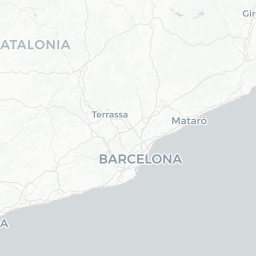
Barcelona is the capital of Catalonia and Spain's second-largest city, home to roughly 1.7 million people on the northeastern Mediterranean coast. It sits between the Collserola hills and the sea, giving it a geography that is unusually easy to read on foot or by bike.
The city is widely regarded as one of Europe's most architecturally distinctive destinations. The 19th-century Eixample grid, the medieval streets of the Barri Gòtic, and the modernista buildings scattered across many neighbourhoods coexist with a functioning port and several kilometres of urban beach.
Catalonia has its own language, culture, and political identity that are distinct from the rest of Spain. Visitors often notice that street signage, menus, and official communications appear first in Catalan, then in Spanish. This is part of the everyday fabric of the city rather than a curiosity for tourists.
Barcelona is a year-round destination, but summer (July–August) brings intense heat, large crowds, and elevated prices. Spring and early autumn offer the most comfortable conditions for sightseeing.
Before You Go
Visas
Spain is a member of the Schengen Area. Visa requirements depend on your nationality and intended length of stay. Do not rely on this guide for specific entry rules — check TravelerPulse's Visas section and the official Spanish immigration authority (Ministerio del Interior / Secretaría de Estado de Migraciones) well before travel.
Health and insurance
No vaccinations are required for entry from most countries, but travel health recommendations change. Consult your doctor or a travel clinic before departure. Comprehensive travel insurance, including medical cover, is strongly recommended for all visitors.
Currency and money
The Euro is the only currency accepted. ATMs are plentiful throughout the city. Credit and debit cards are accepted almost everywhere, though some smaller markets and neighbourhood shops prefer cash. Notify your bank before travel to avoid card blocks.
Connectivity
Free Wi-Fi is available in many cafés, hotels, and some public spaces. EU mobile roaming rules allow EU-issued SIM cards to work at domestic rates. Visitors from outside the EU may find it cost-effective to purchase a local prepaid SIM on arrival — these are available at the airport and phone shops across the city.
What to pack
- Comfortable walking shoes with grip (cobbled streets in the Gothic Quarter are uneven)
- Light layers; evenings can be cool even in summer
- Sun protection is essential May–September
- A small day bag; keep valuables secure (see Safety section)
Getting There
By air
Barcelona–El Prat Airport (IATA: BCN) is located approximately 12–14 km southwest of the city centre and handles a large volume of international and European traffic. A second smaller airport, Girona–Costa Brava (GRO), is used by some low-cost carriers and is about 100 km north; factor in transfer time. Verify current route availability and schedules directly with airlines or your booking platform.
By high-speed rail
Barcelona Sants is the main long-distance rail station. Spain's high-speed AVE network connects the city with Madrid (roughly 2.5–3 hours, verify current timetables with Renfe), Valencia, and other Spanish cities. International rail connections to Paris and beyond are available; check SNCF or Rail Europe for cross-border schedules and booking windows, which open months in advance.
By road and coach
Long-distance coaches from across Spain and Europe arrive at Estació del Nord or Barcelona Sants. Several operators serve routes to Madrid, Valencia, and major French and Italian cities. Verify locally for current operators and schedules.
Getting from the airport to the city
- Aerobus: Express bus service to Plaça de Catalunya; departs frequently. Verify current frequency and fares at the official Aerobus site.
- Metro (L9 Sud): Connects the airport terminals to the metro network, requiring a transfer for most central destinations. Verify current operational status and any supplements required.
- Suburban rail (Renfe Rodalies, R2 Nord): Links the airport to Sants, Passeig de Gràcia, and Clot-Aragó. Check current timetables on Rodalies de Catalunya's site.
- Taxi/rideshare: Licensed taxis are metered; a fixed supplement applies for airport journeys. Confirm current rates with the official taxi authority (Institut Metropolità del Taxi).
Getting Around
Metro
The TMB (Transports Metropolitans de Barcelona) metro network is the most convenient way to move around the city. Lines cover most of the major neighbourhoods and tourist sites. Multi-journey T-Casual cards and other integrated transport passes offer better value than single tickets; verify current pass options and prices on the TMB or ATM (Autoritat del Transport Metropolità) website.
Bus
An extensive bus network complements the metro, including the Nitbus night bus system when the metro is closed. The Bus Turístic hop-on, hop-off routes cover popular sights but are not necessarily the most efficient or cost-effective option for travellers who plan to explore independently.
Cycling and e-scooters
Barcelona has a growing network of segregated cycle lanes. The Bicing public bike-share scheme is primarily designed for residents with a subscription. However, numerous private bike and e-scooter rental operators cater to visitors — verify locally for current operators and parking rules, as regulations on e-scooter use on pavements are enforced.
On foot
The city centre is walkable for most able visitors. Las Ramblas, the Gothic Quarter, El Born, and Barceloneta are all within reasonable walking distance of each other. The Eixample's grid layout makes navigation straightforward. Be aware that distances to Montjuïc or Park Güell involve significant elevation; cable cars and public buses serve both.
Taxi
Licensed yellow-and-black taxis are metered and generally reliable. Ride-hailing apps are also available. Confirm which apps operate locally at the time of your visit.
Things to See & Do
Gaudí and Modernisme
Barcelona contains the highest concentration of work by Antoni Gaudí of any city. The Sagrada Família basilica is the most visited site in Spain; advance ticket booking is essential, as same-day entry is rarely possible. Park Güell has ticketed access for the Monumental Zone and also requires advance booking. Casa Batlló and Casa Milà (La Pedrera) on Passeig de Gràcia both offer interior visits; verify current admission prices and opening hours on their respective official sites. The Palau Güell near Las Ramblas is another significant Gaudí work, typically less crowded.
Beyond Gaudí, the Palau de la Música Catalana by Lluís Domènech i Montaner is a UNESCO World Heritage Site and still an active concert venue — guided visits and concert tickets are available (verify schedules and prices officially).
Historic neighbourhoods
- Barri Gòtic (Gothic Quarter): Medieval streets, the Barcelona Cathedral, the Roman Temple of Augustus, and the Plaça Reial.
- El Born / Sant Pere: Home to the Basílica de Santa Maria del Mar and the Museu Picasso (verify current opening hours and booking requirements).
- Barceloneta: The traditional fishing neighbourhood adjacent to the city beaches.
- Gràcia: A village-like district with a strong local character, distinct plazas, and independent shops.
Museums
- MNAC (Museu Nacional d'Art de Catalunya): Houses an important collection of Romanesque art and is located on Montjuïc with sweeping city views.
- Fundació Joan Miró: Also on Montjuïc; significant collection of Miró's work in a building by Josep Lluís Sert.
- MACBA (Museu d'Art Contemporani de Barcelona): Contemporary art in the Raval neighbourhood.
- Museu d'Història de Barcelona (MUHBA): Roman ruins and medieval history beneath the Gothic Quarter.
Verify admission fees, free-entry days, and opening hours at each institution's official site before visiting.
Montjuïc and the waterfront
The Montjuïc hill offers the castle, Olympic facilities from 1992, gardens, and the cable car. The waterfront from Barceloneta extends north through the Poblenou district, passing Port Olímpic. The Rambla del Poblenou offers a calmer, more residential version of Las Ramblas.
Football
FC Barcelona's stadium, Spotify Camp Nou, has undergone significant renovation works — verify the current status of stadium tours and match ticket availability at the official FC Barcelona website, as access arrangements may differ from previous years.
Food & Drink
Catalan cuisine
The local food tradition is Catalan, not generically Spanish. Key elements include fresh Mediterranean ingredients, seafood, legumes, and sauces such as romesco (roasted peppers, nuts, and olive oil) and allioli (garlic and olive oil emulsion). Pa amb tomàquet — bread rubbed with ripe tomato and olive oil — is the ubiquitous everyday staple.
Where to eat
- Mercats (markets): La Boqueria on Las Ramblas is famous but extremely tourist-oriented and often expensive; locals generally favour the Mercat de Santa Caterina in El Born or the Mercat de l'Abaceria in Gràcia for a more authentic market experience.
- Tapas and pintxos: While tapas are Spanish-wide, the Basque pintxo bar tradition has a strong presence in Barcelona, particularly in El Born and along Carrer de Blai in Poble Sec.
- Set lunch menus (menú del día): Most neighbourhood restaurants offer a three-course weekday lunch menu at a fixed price, typically including water or wine. This is often the best-value way to eat well; verify locally for current pricing.
- Fine dining: Barcelona has multiple Michelin-starred restaurants. Reservations often need to be made weeks or months in advance; check the Michelin Guide and restaurant sites directly.
Drinking culture
- Cava: The Catalan sparkling wine, produced primarily in the nearby Penedès region, is widely available and usually modestly priced.
- Vermut (vermouth): A strong midday drinking tradition, particularly in El Born, Gràcia, and Poble Sec. Bars typically open for vermut on weekend lunchtimes.
- Coffee: Expect espresso-style coffee. A tallat is equivalent to a cortado; a cafè amb llet is café con leche.
Meal times
Barcelona runs on late meal times by northern European and North American standards. Lunch is typically 2:00–4:00 pm and dinner rarely starts before 9:00 pm. Restaurants that open at 7:00 pm for dinner are mostly targeting tourists.
Shopping
Overview
Barcelona offers shopping across a wide range of budgets and styles, from large international flagship stores to independent designers and specialist food shops.
Key areas
- Passeig de Gràcia: The main luxury and high-street shopping boulevard, alongside the most photographed modernista buildings.
- Portal de l'Àngel and Plaça de Catalunya area: Pedestrianised streets with mainstream chain retailers.
- El Born: Concentrated with independent clothing designers, bookshops, and concept stores.
- Gràcia: Independent boutiques, vintage shops, and artisan goods with a neighbourhood feel.
- Las Ramblas souvenir stalls: Convenient but prices are typically inflated; quality varies.
Food and specialist shopping
- The Eixample and El Born areas have good specialist wine shops, delicatessens selling Catalan and Spanish produce (charcuterie, cheeses, olive oil), and design stores.
- Department store El Corte Inglés has multiple branches including a large one near Plaça de Catalunya; useful for a wide range of goods under one roof.
Practical notes
Standard shop opening hours are generally Monday–Saturday, with many independent shops closing for a midday break. Sunday opening is limited. VAT refund schemes may apply for non-EU visitors on qualifying purchases; ask retailers for documentation and verify current rules before departure.
Practical Information
Emergency numbers
The pan-European emergency number 112 reaches police, ambulance, and fire services and operates throughout Spain. The local Mossos d'Esquadra (Catalan regional police) and Guàrdia Urbana (city police) are both active in Barcelona. Verify specific non-emergency contact numbers via official local government sources.
Pharmacies
Pharmacies (farmàcies) are marked with a green cross and are plentiful. A rota system ensures at least one pharmacy in each area is open 24 hours; duty pharmacy information is posted on the doors of closed pharmacies.
Tipping
Tipping is not obligatory in Spain. Rounding up the bill or leaving small change is common in cafés and bars. In restaurants, a tip of around 5–10% is appreciated for good service but is not expected in the way it may be in some other countries.
Electricity
Spain uses 230V / 50Hz with the two-pin Europlug (Type C) or the grounded Schuko-compatible (Type F). Visitors from the UK, US, and many other countries will need an adapter.
Water
Tap water is generally safe to drink in Barcelona, though many locals and visitors prefer bottled water for taste reasons. The city water authority confirms potability; if in doubt, verify locally.
Public toilets
Public toilets are less common than in some northern European cities. Cafés and bars are the most practical option; it is courteous to make a small purchase.
Safety
General safety
Barcelona is a generally safe city for visitors, but it has a well-documented and persistent problem with petty theft, particularly pickpocketing and bag-snatching. This is concentrated in high-tourist areas: Las Ramblas, La Boqueria market, the Metro (especially the L3 line and airport connections), the Gothic Quarter, and crowded beaches.
Practical precautions
- Use a crossbody bag worn at the front, or a money belt for passports and cards
- Do not leave bags on chair backs or on the floor in cafés and restaurants
- Be particularly alert on crowded Metro carriages and at tourist sites
- Avoid displaying expensive cameras, jewellery, or phones unnecessarily in crowded areas
- Scooter theft of phones and bags from pedestrians on pavements has been reported; be aware when using your phone on the street
Las Ramblas specifically
The boulevard is heavily visited and frequently targeted by pickpockets working in teams. Stay alert and keep valuables secured. The lower section near the port area has also had a history of street-level crime after dark.
If you are a victim of crime
Report theft to the Guàrdia Urbana or Mossos d'Esquadra. You can file a report (denuncia) at a police station or, for straightforward theft cases, online via the Spanish Interior Ministry portal (verify the current URL). A police report is typically required for travel insurance claims.
Local Culture & Etiquette
Catalan identity
Barcelona is the capital of Catalonia, a region with a distinct language, history, and cultural identity. Catalan (català) is the primary language of daily life, education, and local government. While most residents also speak Spanish fluently, and many working in tourism speak English, making a small effort with Catalan phrases — gràcies (thank you), bon dia (good morning) — is generally appreciated.
Religion and buildings
The city has a strong Catholic heritage reflected in its churches and festivals, though Barcelona is largely secular in day-to-day life. When visiting churches and basilicas as tourist sites, modest dress is appropriate — shoulders and knees covered. Some churches may decline entry to those not dressed accordingly.
Festivals and local holidays
Barcelona has numerous local festivals throughout the year. La Mercè (late September) is the city's main festival, featuring free concerts, human tower (castellers) displays, fire runs (correfocs), and events across the city. Sant Joan (23–24 June) is celebrated with fireworks and bonfires. Catalan national day (La Diada, 11 September) is a significant civic occasion. During major festivals, many local businesses close; plan accordingly.
Social customs
Greeting acquaintances with two kisses on the cheek (starting left) is the norm in social settings, though handshakes are common in professional contexts. Barcelonins tend to eat, socialise, and sleep later than the European average. Noise levels in residential areas are regulated at night; be considerate in neighbourhoods away from the tourist centre.