Overview
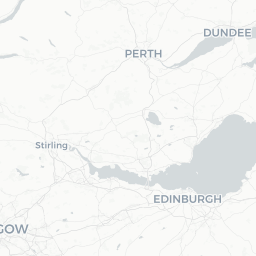
Edinburgh is the capital of Scotland and one of the most architecturally distinctive cities in Europe. Perched on a series of volcanic hills and crags along the southern shore of the Firth of Forth, it divides broadly into two contrasting zones: the medieval Old Town, which climbs from Holyrood Palace up the Royal Mile to Edinburgh Castle; and the Georgian New Town, laid out in the late 18th century and now a UNESCO World Heritage Site alongside the Old Town.
The city has a population of roughly 515,000 and functions as Scotland's political, legal, and cultural centre. The Scottish Parliament sits at Holyrood; the Court of Session and High Court of Justiciary operate here; and the city hosts a concentration of museums, galleries, and universities that punch well above its size. The University of Edinburgh, founded in 1583, remains one of the world's leading research institutions.
Edinburgh's international profile peaks every August during festival season, when the Edinburgh Festival Fringe — the world's largest arts festival — runs simultaneously with the Edinburgh International Festival, the Edinburgh International Book Festival, and several others, transforming the city into a near-continuous open-air venue. Outside festival season the city is quieter but no less rewarding, and accommodation and transport are noticeably easier to manage.
Before You Go
Visas and Entry
Edinburgh is part of the United Kingdom. Entry requirements depend on your nationality and, for non-UK/Irish nationals, your purpose of travel. Check TravelerPulse's Visas section and the UK Visas and Immigration official website (gov.uk/check-uk-visa) well before you travel, as rules can change.
Weather
Edinburgh has a temperate oceanic climate. Summers (June–August) are mild rather than warm, typically 15–19 °C, with long daylight hours. Winters are cold and frequently wet, with temperatures hovering around 2–7 °C. Rain is possible year-round, and wind off the Forth can make temperatures feel lower than they are. Layers and a waterproof jacket are advisable at any time of year.
Health
No vaccinations are specifically required for travel to the UK. Visitors from many countries are entitled to emergency treatment under the National Health Service; the extent of coverage depends on your nationality and residency status. Travel insurance that includes medical cover is recommended. Pharmacies (chemists) are widespread and can advise on minor ailments without an appointment.
Money
Scotland uses GBP. Scottish banks issue their own banknotes that are legal tender throughout Scotland; they may occasionally be refused in England, though this is technically incorrect. ATMs are plentiful in the city centre. Contactless and card payments are accepted almost universally. Tipping is customary but not obligatory — 10–15% is typical in sit-down restaurants if service is not already included.
Getting There
By Air
Edinburgh Airport (IATA: EDI) is located roughly 13 km west of the city centre and serves a wide range of European and transatlantic routes, with direct flights to North America, the Middle East, and major European hubs. Verify current routes and schedules with your airline or on edinburghairport.com.
From the airport, the Airlink 100 express bus service runs frequently to Waverley Bridge in the city centre; journey time is typically around 30 minutes depending on traffic. Trams also connect the airport to York Place via the city centre — verify current timetables and fares on edinburghtrams.com. Taxis and ride-hail services are available from the designated rank outside arrivals.
By Train
Edinburgh Waverley is the main railway station, situated in the heart of the city. Direct intercity services connect to London King's Cross (via LNER, journey time approximately 4.5 hours), Glasgow Queen Street and Glasgow Central, Aberdeen, Inverness, and other Scottish destinations. Haymarket station, slightly to the west, also serves many of the same routes. Check timetables and book in advance on nationalrail.co.uk or directly with operators for the best fares.
By Bus
Long-distance coach services including National Express and Megabus connect Edinburgh to cities across the UK. Coaches typically arrive and depart from Edinburgh Bus Station on St Andrew Square, adjacent to Waverley. Advance booking is recommended during summer and festival periods.
By Car
Edinburgh is accessible via the M8 from Glasgow and the A1 from England. Driving into the city centre is not generally recommended for tourists — parking is limited, expensive, and much of the Old Town is pedestrianised. Park-and-Ride sites exist on the outskirts; verify current locations and charges with the City of Edinburgh Council.
Getting Around
Edinburgh's city centre is compact enough that many of the main attractions are walkable from each other, though the terrain is hilly and some streets involve significant gradients. Comfortable shoes are strongly advisable.
Tram
The Edinburgh Trams network runs from the airport through Haymarket and the city centre to York Place, with an extension to Newhaven opened in 2023. It is a reliable option for moving along that corridor. Verify fares and current stops at edinburghtrams.com.
Bus
Lothian Buses operates an extensive network across Edinburgh and into surrounding areas. Services are frequent on main routes. Payment is typically by exact cash or contactless card; Lothian Buses does not give change for cash fares. Day tickets and multi-day passes are available — check lothianbuses.com for current options.
Taxi and Ride-Hail
Licensed black cabs can be hailed on the street or found at ranks near major stations and tourist areas. App-based services also operate in the city. During August festival season, demand is high and waiting times increase significantly.
Cycling
Just Eat Cycles (Edinburgh's public bike-hire scheme) provides docking stations across the city. The terrain in the Old Town is steep but the New Town and areas like Leith are more cycle-friendly. Verify current scheme availability and pricing at edinburghcyclehire.com.
On Foot
Walking is the most practical way to navigate the Old Town and Royal Mile. The New Town's grid layout is straightforward. Note that Princes Street Gardens separate the Old and New Towns; stairs and ramps provide connections at several points.
Where to Stay
Edinburgh has accommodation across all price categories, from international hotel chains and independent boutique hotels to guesthouses, hostels, and self-catering apartments. The Old Town and New Town are the most central areas; Leith (the port district, approximately 3 km from the centre) offers a quieter alternative with good transport links.
Prices and availability fluctuate sharply with the festival calendar. August is by far the most expensive month, and accommodation books up months in advance — plan and book early if visiting during this period. January and February are typically the most affordable months. Always verify current rates and cancellation policies directly with the property or a reputable booking platform.
Short-term holiday lets have grown substantially in Edinburgh and are subject to ongoing regulatory discussion; if booking an apartment, ensure the property complies with current licensing requirements. The city centre is walkable enough that staying in the New Town, Grassmarket, or around Haymarket all provides convenient access to major sights.
Things to See & Do
Historic Sites
- Edinburgh Castle — Sits on Castle Rock, an extinct volcanic plug. The castle complex includes the Scottish Crown Jewels, the Stone of Destiny, the National War Museum of Scotland, and panoramic views over the city. Admission charges apply; book tickets in advance, especially in summer, on edinburghcastle.scot.
- Royal Mile — The historic spine of the Old Town runs from the castle esplanade down to the Palace of Holyroodhouse. It encompasses Castlehill, Lawnmarket, High Street, and Canongate, lined with closes (narrow alleyways), museums, and historic buildings.
- Palace of Holyroodhouse — The official residence of the monarch in Scotland, at the foot of the Royal Mile. Open to visitors when not in official use; verify opening dates and admission on the Royal Collection Trust website.
- Holyrood Abbey — The ruined 12th-century abbey stands within the Holyrood estate.
- Greyfriars Kirkyard — Historic churchyard in the Old Town, associated with the story of Greyfriars Bobby. Notable for ornate 17th-century monuments.
- Craigmillar Castle — A well-preserved 15th-century castle on the south-east edge of the city, less visited than the main attractions and worth the short trip.
Museums and Galleries
- National Museum of Scotland — Free entry. Covers Scottish history, science, technology, world cultures, and natural history across two connected buildings on Chambers Street.
- Scottish National Gallery — Free entry. Houses a significant collection of European and Scottish fine art from the Renaissance to the early 20th century, on the Mound between Old and New Towns.
- Scottish National Portrait Gallery — Free entry. Reopened after refurbishment; focuses on portraits of significant figures in Scottish history.
- Museum of Edinburgh — Free entry. Local history housed in Huntly House on the Canongate.
- Scottish National Gallery of Modern Art — Free entry (charges for some temporary exhibitions). Two buildings in the west of the city with a strong 20th-century collection.
Natural and Outdoor
- Arthur's Seat — An ancient volcanic hill rising to 251 metres within Holyrood Park, a short walk from the city centre. A moderate hike to the summit rewards with 360-degree views. No specialist equipment needed in good conditions, but sturdy footwear is advisable.
- Calton Hill — Closer to the city centre, topped with the unfinished National Monument, the Nelson Monument, and wide views. A short, accessible climb.
- Holyrood Park — Several hundred hectares of parkland surrounding Arthur's Seat, managed by Historic Environment Scotland.
- Water of Leith Walkway — A footpath following the Water of Leith river from Balerno through the city to the port of Leith; sections through Dean Village and Stockbridge are particularly attractive.
Festivals and Events
- Edinburgh Festival Fringe (August) — World's largest arts festival; thousands of shows across hundreds of venues.
- Edinburgh International Festival (August) — Curated programme of opera, theatre, dance, and music.
- Hogmanay (31 December–1 January) — Edinburgh's New Year celebration includes street parties, a torchlight procession, and concerts; some events require tickets.
- Edinburgh International Science Festival (April) — One of the world's leading public science festivals.
- Verify exact dates and ticketing each year on official festival websites.
Food & Drink
Edinburgh's food scene has developed considerably over the past two decades. The city now has a range of Michelin-starred and well-regarded independent restaurants alongside traditional Scottish pubs, seafood specialists, and a growing number of international cuisines reflecting its student and international populations.
Scottish Food to Try
- Haggis — Scotland's national dish: offal, oatmeal, onion, and spices traditionally cooked in a sheep's stomach. Available in traditional and vegetarian versions across the city.
- Cullen Skink — A thick, smoked haddock and potato soup originating from the north-east coast; widely available in Edinburgh restaurants.
- Scotch pies — Small, double-crust meat pies available from bakeries; an everyday Scottish staple.
- Fresh seafood — Given proximity to the coast and the port of Leith, oysters, langoustines, smoked salmon, and haddock (also the traditional fish for fish and chips in Scotland) appear frequently on menus.
- Scottish cheeses — A broad range of artisan cheeses produced across Scotland are available from specialist shops and good restaurants.
Whisky
Edinburgh is a natural base for exploring Scotch whisky. The Scotch Whisky Experience on Castlehill offers guided tours and tastings. Several specialist whisky bars in the city stock extensive collections from distilleries across Scotland's five main producing regions. Whisky shops including those on the Royal Mile carry bottles to take home.
Neighbourhoods for Eating and Drinking
- Leith — The port district has a concentration of well-regarded restaurants, many focused on seafood. The Shore area along the Water of Leith is a pleasant setting.
- Stockbridge — A residential neighbourhood north of the New Town with independent cafés, delis, and restaurants.
- Grassmarket — Lively pub and restaurant area in the Old Town beneath the castle.
- Bruntsfield and Morningside — South of the centre; good independent cafés and neighbourhood restaurants.
Shopping
Edinburgh's main shopping streets are Princes Street (largely chain retailers), George Street in the New Town (a mix of mid-range and upmarket shops), and Victoria Street in the Old Town (independent speciality shops in a curved, multi-level street).
For Scottish goods worth taking home, look for:
- Tartan and tweed — Traditional textile shops on and around the Royal Mile; quality varies, so look for genuine Scottish-woven cloth.
- Cashmere — Scotland produces some of the world's finest cashmere; several specialist shops operate in the city centre.
- Scotch whisky — The Royal Mile and city centre have numerous specialist retailers.
- Shortbread and oatcakes — Quality Scottish biscuits and crackers are good, practical souvenirs.
- Books — Edinburgh was designated the world's first UNESCO City of Literature in 2004. The city has good independent bookshops, including Lighthouse Books and Topping & Company (verify current locations and hours locally).
The St James Quarter, a large covered development that opened in 2021 at the east end of Princes Street, houses major international retail brands and a hotel. Multrees Walk, adjacent to the St James Quarter, has luxury and designer retailers. A Farmers' Market operates on Castle Terrace on Saturdays — verify current schedule locally.
Practical Information
Emergency Services
The UK emergency number for police, fire, and ambulance is 999. The non-emergency police number is 101. NHS 24 (dial 111) provides medical advice outside GP hours.
Electricity
The UK uses 230V/50Hz with three-pin plug sockets (Type G). Visitors from continental Europe, North America, and much of the rest of the world will need an adapter.
Internet and Connectivity
Free Wi-Fi is available in most hotels, many cafés, and in Edinburgh Waverley station. Mobile network coverage is generally strong across the city. International visitors should verify roaming charges with their provider; UK SIM cards are widely available from network shops on Princes Street and elsewhere.
Useful Apps
Lothian Buses and Edinburgh Trams each have apps for journey planning and ticketing. Citymapper covers Edinburgh. Google Maps and Apple Maps work reliably for navigation.
Opening Hours (General Guidance)
Most shops open roughly 9:00–18:00 Monday to Saturday, with reduced hours on Sunday. Many restaurants and pubs operate into the late evening. Some attractions have seasonal hour changes — always verify on the official website before visiting. Bank holidays affect opening hours; Scotland has some different bank holidays from England and Wales.
Post and Communications
Royal Mail post offices and posting points are throughout the city. The main post office on St James Quarter or verify the current central location locally.
Safety
Edinburgh is generally considered a safe city for visitors. Petty theft — pickpocketing and bag snatching — is the most commonly reported issue affecting tourists, particularly in crowded areas like the Royal Mile during August festival season, around Waverley Station, and on busy shopping streets. Standard precautions apply: keep bags closed and in front of you, do not leave valuables visible in parked cars, and be aware of your surroundings in busy crowds.
Arthur's Seat and other hills within Holyrood Park are safe to walk in daylight with appropriate footwear, but conditions can change quickly — check weather forecasts before heading out, especially in autumn and winter. Some paths are uneven and can be slippery when wet.
The Grassmarket and parts of the Old Town can be boisterous late at night on weekends, particularly around closing time for pubs and clubs. This is largely a noise and congestion issue rather than a safety concern for most visitors, but it is worth being aware of if your accommodation is in that area.
If you need police assistance for a non-emergency, contact Police Scotland on 101. In any emergency, dial 999.
Local Culture & Etiquette
Edinburgh occupies an unusual cultural position as the capital of a nation — Scotland — that maintains a distinct legal system, educational tradition, and national identity within a broader union. Visitors will encounter ongoing conversations about Scottish identity, devolution, and independence; these are live political topics and should be approached with sensitivity rather than assumption.
The city has a strong literary heritage. Edinburgh is associated with figures including Robert Burns (celebrated annually on Burns Night, 25 January), Sir Walter Scott (the Scott Monument on Princes Street is a prominent landmark), Robert Louis Stevenson, Arthur Conan Doyle, Muriel Spark, and more recently Ian Rankin and J.K. Rowling. As the world's first UNESCO City of Literature, the city takes its reading culture seriously, and independent bookshops and literary events are woven into its character.
Sunday was historically observed very strictly in Scotland (a tradition known as the Scottish Sabbath), and while this has relaxed substantially, some older institutions and rural areas retain quieter Sunday operations. In Edinburgh itself, Sunday trading is normal.
Gaelic is not widely spoken in Edinburgh — it is primarily spoken in the Highlands and Islands — but Scottish English has its own vocabulary and idiom that may initially require adjustment for some visitors. Scots dialect words appear on menus, in signage, and in conversation.