Translate
Overview
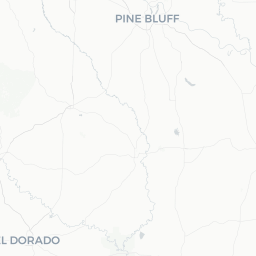
De Witt is the county seat of Arkansas County, situated in the flat, fertile lowlands of the Arkansas Delta roughly 90 miles southeast of Little Rock. With a population of around 3,300, it is a quiet agricultural town where rice and soybeans dominate the landscape and the rhythm of daily life follows the farming calendar.
The town sits near the confluence of several natural assets — the Grand Prairie agricultural region, the Cache River basin to the north, and the vast White River National Wildlife Refuge to the south and east. These surroundings make De Witt a practical base for outdoor pursuits, particularly waterfowl hunting, fishing, and wildlife observation, rather than a conventional tourist destination.
Visitors who pass through tend to be hunters, anglers, birders, or travelers exploring the broader Arkansas Delta on routes between Little Rock and Memphis. The town itself is modest but functional, with locally owned businesses, a historic courthouse square, and a genuine small-town character that reflects the agricultural heritage of the region.
Before You Go
De Witt is a small rural town; services, dining options, and accommodations are limited compared to larger Arkansas cities. Plan accordingly and stock up on supplies in Stuttgart (about 25 miles northwest) or Pine Bluff (about 55 miles west) if you need a wider selection.
Hunting and fishing licenses: Arkansas Game and Fish Commission licenses are required for hunting and fishing. These can be purchased online through the AGFC website or at local sporting goods retailers. If you are visiting for duck hunting season, confirm season dates and bag limits with the AGFC before your trip, as regulations change annually.
Weather: Delta Arkansas winters can be cold and damp, particularly during peak duck hunting season (November–January). Summers are hot and humid with temperatures frequently exceeding 90°F. Pack appropriate clothing for the season and be prepared for muddy field and refuge conditions in wet weather.
Cell coverage and internet: Coverage can be inconsistent in rural areas around the wildlife refuges and rice fields. Download offline maps and relevant information before leaving town.
Getting There
De Witt has no commercial airport. The most practical options for arriving by air are:
- Little Rock National Airport (LIT): Approximately 90 miles west, offering the widest range of commercial flights into the region.
- Memphis International Airport (MEM): Approximately 130 miles northeast, useful if you are combining a Delta Arkansas trip with visits to the Memphis area.
From either airport, a rental car is essentially required. De Witt is reached via US Highway 165 from Stuttgart to the northwest, or via US 165 from Pine Bluff traveling southeast. There is no scheduled commercial bus or rail service to De Witt. Verify current rental car availability at your chosen airport before booking, as inventory at smaller regional airports can be limited.
Getting Around
A personal vehicle is the only practical way to get around De Witt and its surroundings. The town itself is small enough to walk in its central area, but access to the wildlife refuges, hunting areas, rice fields, and nearby communities all require driving.
Roads in the agricultural areas can become muddy and rutted during wet seasons. A vehicle with reasonable ground clearance is advisable if you plan to access rural levees or refuge areas. Confirm road and levee access conditions with the White River National Wildlife Refuge visitor contact point before heading out.
Where to Stay
Accommodation in De Witt is very limited. There are a small number of budget motels in town; verify current availability and operating status before your trip, as options change in small rural communities.
During peak duck hunting season (November–January), accommodation in and around De Witt and Stuttgart can book up well in advance. Hunters often stay at hunting lodges or cabins associated with outfitters, which may be a better option than standard motels for those visiting for that purpose.
Stuttgart, about 25 miles northwest, offers additional motel options and is a reasonable alternative base for exploring the area. Pine Bluff, roughly 55 miles west, has a wider selection of national chain hotels if you prefer more amenities.
Things to See & Do
Waterfowl Hunting
Arkansas County and the surrounding Grand Prairie region are widely regarded as among the best duck hunting areas in North America. The combination of flooded rice fields, oxbow lakes, and the White River National Wildlife Refuge creates exceptional habitat for mallards and other waterfowl during the winter migration. Guided hunts are available through local outfitters — verify current operators locally or through the Arkansas Tourism office.
White River National Wildlife Refuge
One of the largest bottomland hardwood refuges in the country, the White River NWR covers more than 160,000 acres southeast of De Witt. It offers hunting, fishing, wildlife observation, and paddling opportunities. The refuge is a critical stopover for migratory birds on the Mississippi Flyway. Contact the refuge headquarters for current access information, seasonal closures, and permit requirements before visiting.
Fishing
The White River, its oxbow lakes, and other local water bodies offer fishing for largemouth bass, crappie, catfish, and bream. Local knowledge is helpful for finding productive spots; ask at bait shops in town for current conditions.
Arkansas County Courthouse
The historic courthouse on the town square anchors the center of De Witt and reflects the civic architecture typical of Arkansas Delta county seats. Worth a look for those interested in regional history and architecture.
Birding
Beyond duck season, the refuges and agricultural fields around De Witt attract shorebirds during spring and fall migrations, as well as wintering raptors. The area is productive for birders willing to drive the levees and field roads during quieter seasons.
Food & Drink
Dining options in De Witt are limited to a small number of local restaurants and fast-food establishments. The culinary character reflects the rural South — expect comfort food, catfish, and home-style cooking at locally owned diners. Specific establishments should be verified locally before your visit, as small-town restaurants open and close with some frequency.
For a broader selection of restaurants, Stuttgart (about 25 miles northwest) offers more choices and is a practical stop on the way in or out of town. Alcohol availability may be restricted depending on local ordinances; verify locally if this is relevant to your plans.
If you are staying in the area for hunting or fishing trips, many outfitters and hunting lodges provide meals as part of their packages — confirm this when booking.
Practical Information
Emergency services: Dial 911 for all emergencies. Arkansas County Sheriff's Department and De Witt city services cover the area. The nearest hospital with full services is in Stuttgart or Pine Bluff — verify the nearest emergency medical facility when you arrive, as rural healthcare infrastructure can change.
Fuel: Gas stations are available in De Witt. Fill your tank in town before heading out to remote refuge or farming areas, where fuel is not available.
Hunting regulations: Always carry your Arkansas hunting and fishing licenses and any required federal Duck Stamps when afield. Wanton waste, trespass, and hunting without permission on private land are serious offenses. Much of the land around De Witt is privately owned; get explicit permission before entering any field or property not clearly part of the public refuge.
Visas: De Witt is in the United States. For visa and entry requirements, check the TravelerPulse Visas section and the official US Customs and Border Protection website for information relevant to your nationality.
Safety
De Witt is a small, generally low-key community. Standard rural travel precautions apply: let someone know your plans if you are heading into remote refuge or field areas, carry sufficient water and food, and have a way to communicate or navigate if cell service is unavailable.
During hunting season, wear blaze orange when moving through areas where hunting activity is occurring, even if you are not hunting. This is both a legal requirement for hunters and a sensible safety practice for anyone in the field. Be aware of areas where hunting is active and exercise caution near field edges and treelines during shooting hours.