

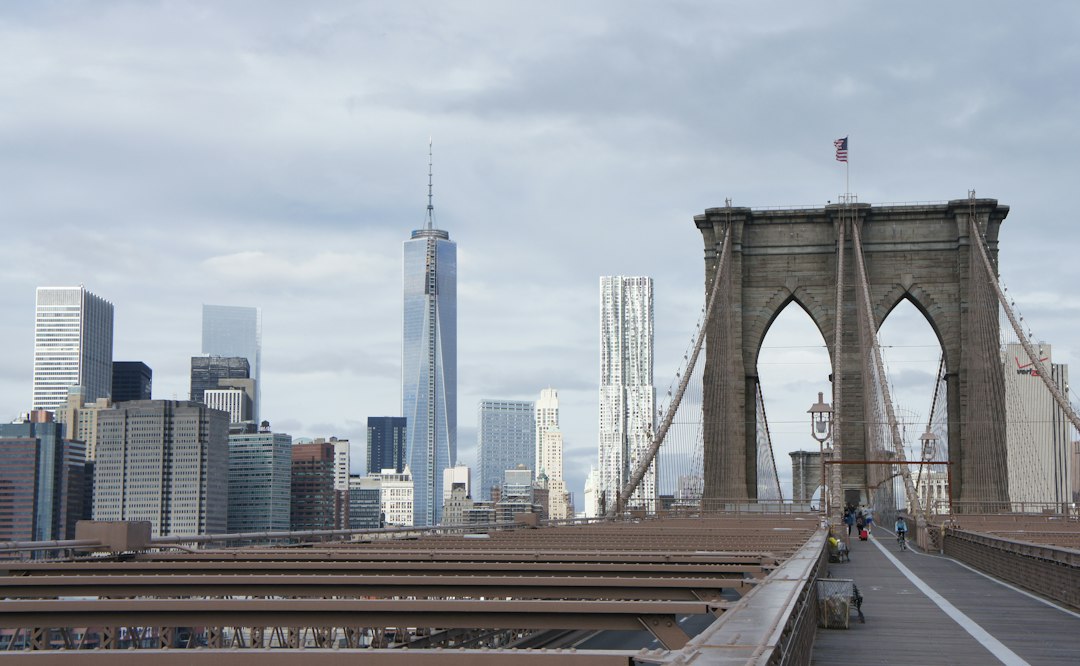

Overview
Brooklyn is the most populous of New York City's five boroughs, home to roughly 2.6 million people across dozens of distinct neighborhoods. It sits on the western tip of Long Island, separated from Lower Manhattan by the East River and connected to it by the iconic Brooklyn Bridge, completed in 1883.
Once a stand-alone city before consolidating into NYC in 1898, Brooklyn retains a strong identity of its own. Visitors encounter a borough that is simultaneously historic and forward-looking: cobblestone streets in DUMBO sit blocks from gleaming waterfront towers, while Victorian brownstones in Park Slope share a borough with industrial-chic warehouses converted into performance spaces in Bushwick.
The food, music, and visual art scenes here carry real weight nationally and internationally. Brooklyn's neighborhoods function almost like small cities — each with its own commercial strips, community character, and loyal residents. Understanding that geography is key to getting the most out of a visit.
Before You Go
Visas
Brooklyn is part of the United States. Visa requirements depend entirely on your nationality and travel history. Check TravelerPulse's Visas section and the U.S. Customs and Border Protection website (cbp.gov) or the U.S. Embassy or consulate in your country for current requirements. Many nationalities may qualify for the Visa Waiver Program (ESTA), but verify this officially before booking.
When to Go
- Spring (April–June): Comfortable temperatures, blooming parks, and a busy calendar of outdoor events. Rain is possible throughout.
- Summer (July–August): Hot and humid. Outdoor festivals, rooftop bars, and beach access at nearby Coney Island are draws, but crowds and heat can be demanding.
- Fall (September–November): Generally the most pleasant season. Crisp air, foliage in Prospect Park, and a full cultural calendar.
- Winter (December–March): Cold, occasionally snowy. Fewer tourists; good for museums, markets, and indoor dining. Some outdoor attractions reduce hours.
What to Pack
Layering is sensible year-round. Comfortable walking shoes are essential — Brooklyn's neighborhoods reward exploration on foot. A reusable MetroCard or the MTA app will save time at subway turnstiles.
Getting There
By Air
Brooklyn is served by three major airports. John F. Kennedy International Airport (JFK) is the closest, located in Queens with direct subway access via the A train and the AirTrain connector. LaGuardia Airport (LGA) is also in Queens and requires bus or rideshare connections. Newark Liberty International Airport (EWR) is in New Jersey and accessible by NJ Transit rail into Penn Station, then subway to Brooklyn. Travel times and costs to Brooklyn vary — verify current fares and schedules on the MTA and NJ Transit websites.
By Train
Amtrak trains arrive at Penn Station in Midtown Manhattan. From there, multiple subway lines connect to Brooklyn in under 30 minutes depending on your destination. Long Island Rail Road (LIRR) stops at Atlantic Terminal in Downtown Brooklyn, which is a convenient entry point for visitors heading to Barclays Center, Fort Greene, or Park Slope.
By Bus
Several intercity bus operators (including Greyhound and various regional carriers) serve the New York area, typically arriving at Port Authority Bus Terminal in Manhattan, with onward subway connections to Brooklyn. Verify current routes and stops before travel.
Getting Around
Subway
The MTA subway is the backbone of getting around Brooklyn and connecting to Manhattan. The B, D, F, G, J, L, M, N, Q, R, 2, 3, 4, 5, and A/C lines all serve various parts of the borough. A MetroCard (or the OMNY contactless payment system) is used for fares — check mta.info for current pricing and route maps. The G train is the only line that stays entirely within Brooklyn and Queens without entering Manhattan.
Buses
MTA local and Select Bus Service (SBS) routes cover neighborhoods that subways don't reach well, including parts of south Brooklyn and the waterfront. Useful for cross-borough travel within Brooklyn.
Cycling
Brooklyn has an expanding network of protected bike lanes. Citi Bike, NYC's bike-share program, operates docking stations throughout much of the borough. Day and multi-day passes are available — check citibikenyc.com for current pricing and station locations.
Walking
Many of Brooklyn's most interesting neighborhoods — DUMBO, Brooklyn Heights, Cobble Hill, Carroll Gardens, Park Slope, and Fort Greene — are compact and highly walkable. Plan your itinerary by neighborhood cluster to minimize transit time.
Rideshare and Taxis
Uber, Lyft, and NYC yellow cabs operate throughout the borough. Useful for late-night travel or reaching areas with limited subway access, though traffic on major corridors can slow journey times significantly.
Where to Stay
Brooklyn accommodation ranges from large hotels near Atlantic Terminal and the waterfront to boutique properties in Williamsburg and DUMBO, as well as a large short-term rental market.
Where to Base Yourself
- Downtown Brooklyn / DUMBO / Brooklyn Heights: Convenient for the Brooklyn Bridge, waterfront access, and Manhattan. Good transit connections. Tends toward higher price points.
- Williamsburg: Central to north Brooklyn's dining and nightlife. Well-connected to Manhattan via the L train (note: verify current L train service status, as the line has had planned maintenance periods).
- Park Slope / Prospect Heights: Quieter, residential, convenient to Prospect Park and the Brooklyn Museum. Family-friendly atmosphere.
Hotel options have grown substantially since the 2010s. Verify current availability, pricing, and reviews on standard booking platforms. Short-term rental platforms (Airbnb, Vrbo, etc.) are popular but are subject to New York City short-term rental regulations — verify that any listing is compliant before booking.
Prices vary widely by season, proximity to major venues, and demand. Booking in advance is recommended for weekend visits and during peak seasons.
Things to See & Do
Landmarks and Parks
- Brooklyn Bridge: Walk or cycle across from Brooklyn to Manhattan (or vice versa). The pedestrian and bike path offers views of the Manhattan skyline, the harbor, and the bridge's Gothic towers. Access the Brooklyn side near DUMBO.
- Prospect Park: Designed by Frederick Law Olmsted and Calvert Vaux — the same team behind Central Park — this 585-acre park is the borough's primary green space. It contains a lake, a bandshell, a zoo (verify current hours and admission on prospectparkzoo.com), and extensive walking and cycling paths.
- Brooklyn Botanic Garden: Directly adjacent to Prospect Park, this 52-acre garden is particularly celebrated during the cherry blossom season (usually late April). Check bbg.org for current admission fees and opening hours.
- Green-Wood Cemetery: A National Historic Landmark and active cemetery that also functions as a significant green space and outdoor gallery. Notable for its Victorian funerary architecture and hilltop views of the Manhattan skyline. Check green-wood.com for tour schedules.
Arts, Culture, and Museums
- Brooklyn Museum: One of the largest art museums in the United States, with a wide-ranging permanent collection spanning ancient Egyptian art, American decorative arts, contemporary work, and a significant feminist art collection. Verify current admission and hours at brooklynmuseum.org.
- Barclays Center: Major indoor arena hosting NBA games (Brooklyn Nets), concerts, and other events. Located in Downtown Brooklyn at Atlantic Terminal.
- Brooklyn Academy of Music (BAM): A venerable performing arts institution in Fort Greene presenting theater, dance, opera, and film. Check bam.org for current programming.
- Bushwick Collective: An open-air street art district in Bushwick where warehouse walls serve as large-scale canvases for muralists from around the world. Free to explore at any time.
- Industry City: A complex of former industrial buildings in Sunset Park converted into retail, food, studio, and event space. Verify current tenant listings at industrycity.com.
Neighborhoods Worth Exploring
- DUMBO (Down Under the Manhattan Bridge Overpass): Cobblestone streets, converted loft buildings, galleries, and the famous view of the Manhattan Bridge framed through Washington Street.
- Brooklyn Heights: Brooklyn's oldest neighborhood, with 19th-century brownstones and the Brooklyn Heights Promenade, a raised esplanade with sweeping harbor views.
- Williamsburg: A dense neighborhood known for its music venues, independent boutiques, coffee shops, and a mix of Hasidic Jewish community life and younger creative residents.
- Coney Island: Historic seaside amusement area on Brooklyn's southern waterfront. Home to the Cyclone roller coaster (a New York City landmark), the Wonder Wheel, and the Coney Island Boardwalk. Seasonal — many attractions operate spring through early fall.
Food & Drink
Brooklyn's food scene reflects the borough's extraordinary ethnic diversity and has also generated a distinct culinary identity of its own — artisan food production, chef-driven neighborhood restaurants, and globally influenced street food all coexist here.
Neighborhoods for Eating
- Williamsburg and Greenpoint: Dense concentrations of restaurants, cafes, and bars. Strong Polish food tradition in Greenpoint; globally diverse dining in Williamsburg.
- Sunset Park: Home to a large Chinese community (particularly Fujianese) and a substantial Latin American population, producing some of the most authentic and affordable Chinese and Mexican food in NYC. Eighth Avenue is the main commercial artery of the neighborhood's Chinatown.
- Flatbush and Crown Heights: Caribbean food — Jamaican, Trinidadian, Haitian — is prominently represented along Flatbush Avenue and in the surrounding blocks.
- Bay Ridge: Historically an Arab-American community hub with a concentration of Middle Eastern restaurants and bakeries along Fifth Avenue and Atlantic Avenue.
- Atlantic Avenue: Known for a stretch of longtime Middle Eastern grocery stores and restaurants.
What to Look For
- Brooklyn-style pizza (thin, foldable slices) at neighborhood pizzerias — widely available across the borough.
- Bagels: Brooklyn has a long bagel tradition; local spots are frequently cited as among the best in the country, though quality varies by shop.
- Smorgasburg: A seasonal open-air food market operating on weekends (typically Saturdays at Prospect Park and Sundays at the Brooklyn waterfront — verify current dates and locations at smorgasburg.com).
- Craft beer: Brooklyn Brewery in Williamsburg is one of the borough's best-known producers; taprooms and craft beer bars are widespread.
Reservations are advisable at popular sit-down restaurants, especially on Friday and Saturday evenings. Many neighborhood spots are walk-in only.
Shopping
Brooklyn offers shopping experiences that range from large retail clusters to independent boutiques and vintage markets.
- Atlantic Terminal Mall and Downtown Brooklyn: A concentration of chain retail anchored by the mall adjacent to Barclays Center. Practical for everyday goods.
- Williamsburg (Bedford Avenue and surrounds): Independent clothing boutiques, bookshops, record stores, and design-oriented retailers. The neighborhood has gentrified significantly but still hosts distinctive local businesses.
- Industry City (Sunset Park): Artisan food producers, independent design and furniture makers, and specialty retail in a walkable complex. Good for gifts and design-focused items.
- Antiques and vintage: The Brooklyn Flea operates seasonal markets (verify current schedule and locations at brooklynflea.com). Carroll Gardens and Park Slope have clusters of antique and vintage furniture shops.
- Books: Brooklyn has a notable independent bookstore culture. Stores such as Greenlight Bookstore (Fort Greene and Prospect Lefferts Gardens) are well-regarded community institutions.
Sales tax in New York City applies to most retail goods — clothing items under a certain price threshold may be exempt; verify current rules if relevant to your purchases.
Practical Information
Money
Credit and debit cards are accepted almost universally. Cash is still useful for some smaller restaurants, street vendors, and markets. ATMs are widespread. Tipping is standard and expected: 18–20% or more at restaurants, a few dollars per bag for hotel porters, and rounding up for taxi/rideshare fares.
Communications
Major US carriers (AT&T, T-Mobile, Verizon) provide reliable coverage throughout Brooklyn. Free public Wi-Fi is available at many cafes, libraries, and some parks. NYC LinkNYC kiosks (replacing old phone booths) provide free outdoor Wi-Fi at numerous street corners.
Electricity
US standard: 120V / 60Hz, Type A and B plugs. Visitors from most other countries will need a plug adapter and possibly a voltage converter for sensitive devices.
Emergency Numbers
- Emergency (police, fire, ambulance): 911
- Non-emergency police: 311 (also useful for city services and complaints)
Pharmacies and Healthcare
Chain pharmacies (CVS, Walgreens, Rite Aid) are found throughout the borough. For medical emergencies, several hospital systems operate in Brooklyn, including NYU Langone Brooklyn and SUNY Downstate Health Sciences University Medical Center. Travel health insurance is strongly recommended for international visitors.
Accessibility
Subway accessibility varies significantly by station — not all stations have elevators. Check the MTA's accessibility map at mta.info before planning a route if step-free access is needed. Many parks, museums, and newer venues meet modern accessibility standards; older buildings vary.
Safety
Brooklyn is a large and varied borough, and safety conditions differ meaningfully by neighborhood and time of day. The neighborhoods most visited by tourists — DUMBO, Brooklyn Heights, Park Slope, Williamsburg, Carroll Gardens — are generally considered low-risk areas with a strong street presence.
As in any large city, standard urban precautions apply: be aware of your surroundings, keep valuables secure, avoid displaying expensive items unnecessarily, and use well-lit routes at night. Late-night travel on quieter subway platforms warrants the same awareness you would apply in any major metropolitan system.
Petty theft (pickpocketing, phone snatching) occurs, particularly in crowded areas and on public transit. Keep bags in front of you in busy settings.
For current neighborhood-level safety information, the NYPD publishes crime statistics by precinct at compstat.nyc.gov. Local news sources and community boards are also useful for up-to-date context. If you have concerns about a specific area, check before visiting rather than relying on generalized assessments.
Local Culture & Etiquette
Brooklyn's cultural character is shaped by successive waves of immigration — from 19th-century Irish, Italian, and Eastern European Jewish communities to 20th-century Caribbean, Puerto Rican, and African American populations, to more recent arrivals from China, West Africa, Mexico, and Central America. This history is visible and audible in the borough's architecture, food, religious institutions, and street life.
The borough has a strong tradition of civic identity and neighborhood pride. Locals often identify primarily with their neighborhood rather than Brooklyn as a whole. This hyper-local sensibility means that each area has its own rhythm, demographics, and culture worth engaging with on its own terms.
Brooklyn has been closely associated with hip-hop music since the genre's origins in the 1970s and 1980s — the borough produced some of the most influential artists in the genre's history. It has also been central to American literary culture, with a long list of writers claiming Brooklyn roots.
Religious life is diverse and visible: Orthodox and Hasidic Jewish communities are concentrated in neighborhoods including Borough Park, Crown Heights, and Williamsburg. Muslim communities are significant in Flatbush, Bay Ridge, and elsewhere. Caribbean religious and cultural traditions are practiced across the borough. Visitors should be respectful of religious observance and community spaces — dress modestly when passing through or entering religious neighborhoods, and avoid photography of community members without clear consent.
