Overview
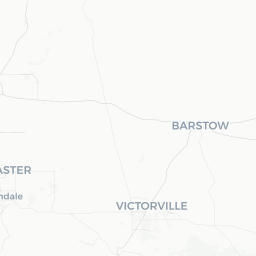
Desert Hot Springs is a small city of roughly 28,000 people in Riverside County, California, situated on the northern edge of the Coachella Valley in the Sonoran Desert. It sits at a slightly higher elevation than its famous neighbor Palm Springs, just across Interstate 10, and that difference gives it noticeably cooler nights and commanding views across the valley floor.
The city's defining feature is its underground geology. Two separate aquifer systems run beneath Desert Hot Springs: one carrying cool, potable water and another carrying naturally heated mineral water. That hot mineral water — which reaches the surface at temperatures ranging roughly from 90°F to over 150°F — has made the city a destination for spa-seekers since the mid-20th century. A wide range of small to mid-size resorts and motor-inn-style spas have grown up around this resource, giving the city a laid-back, unpretentious character quite different from the polished resort scene in Palm Springs.
Beyond the spas, Desert Hot Springs borders the Santa Rosa and San Jacinto Mountains National Monument and sits close to Joshua Tree National Park, making it a practical base for hikers and nature travelers who also want access to a soak at the end of the day. The city has also developed a modest cannabis industry, which is regulated and taxed locally and visible in the form of licensed dispensaries throughout town.
Before You Go
Visas
Desert Hot Springs is in the United States. Entry requirements vary significantly depending on your nationality, travel history, and the purpose of your visit. Check TravelerPulse's Visas section for general guidance and consult the U.S. Department of Homeland Security's official immigration resources or your nearest U.S. embassy or consulate for requirements specific to your situation.
Climate
The desert climate means extreme heat in summer. From roughly June through September, daytime highs frequently exceed 105°F (40°C) and occasionally climb past 115°F (46°C). If you visit in summer, plan all outdoor activity for early morning and stay well hydrated. The mild season from October through April sees daytime highs typically between 65°F and 85°F (18–29°C), with cold nights in December and January. Rain is scarce year-round.
What to pack
- High-SPF sunscreen and UV-protective clothing at any time of year
- A reusable water bottle — hydration is critical in the desert
- Layers for cool evenings in winter months
- Swimwear if you plan to use spa pools
- Sturdy walking shoes if you intend to hike nearby trails
Health considerations
The dry desert air can cause rapid dehydration. Visitors unaccustomed to desert conditions should drink water consistently throughout the day, not just when thirsty. If you plan to hike, let someone know your route and expected return time.
Getting There
By air
The nearest commercial airport with the broadest range of flights is Palm Springs International Airport (PSP), approximately 8–10 miles south of Desert Hot Springs. Los Angeles International Airport (LAX) and Ontario International Airport (ONT) are also options for those who don't mind a longer drive — roughly 100 miles and 70 miles respectively under normal traffic conditions. Verify current route offerings and schedules directly with airlines.
By car
Most visitors arrive by car. Desert Hot Springs is accessed via Interstate 10 (take the Gene Autry Trail or Palm Drive exits) and California State Route 62, which runs north toward Twentynine Palms. Driving from central Los Angeles typically takes 1.5 to 2.5 hours depending on traffic. From San Diego, allow roughly 2 to 2.5 hours. A personal vehicle is strongly recommended, as local public transit options are limited.
By bus
SunLine Transit Agency operates regional bus service in the Coachella Valley, with routes that connect Desert Hot Springs to Palm Springs and other valley cities. Schedules and routes change; verify current service at SunLine's official website before traveling. Greyhound serves the broader region with stops in nearby Palm Springs.
Getting Around
Desert Hot Springs is a spread-out city best navigated by car. Most of the spa resorts and businesses are concentrated along or near Palm Drive and Pierson Boulevard, but distances between points of interest can be greater than they appear on a map.
Rideshare apps including Uber and Lyft operate in the area, though availability can be inconsistent, particularly late at night or during peak periods. Taxis are limited. SunLine buses serve some corridors but are not practical for most visitor itineraries.
If you are staying at a spa resort, confirm in advance whether the property offers any shuttle service to nearby Palm Springs or trailheads. Some smaller resorts do arrange informal transportation arrangements for guests.
Where to Stay
Spa resorts
The most characteristic accommodation in Desert Hot Springs is the small to mid-size spa resort built around mineral pools. These range from budget-friendly motor-inn-style properties with a handful of hot mineral pools to more polished boutique retreats. Many are adults-only or have adults-only pool hours. Prices and availability vary widely by season; the busy season runs from roughly November through April, so book ahead for holiday weekends and long weekends during that period.
When comparing properties, ask specifically about pool temperatures, the number and type of pools (some offer multiple pools at different temperatures), whether pools are open overnight, and any age or noise restrictions. Water sourcing varies — not all pools in the city draw from the same aquifer, so some properties may use heated municipal water rather than natural mineral water. It is worth confirming directly with a property.
Other lodging
A small number of vacation rentals and Airbnb-style properties exist in residential neighborhoods. Standard motel accommodation is also available along the main corridors. For a broader selection of hotels, Palm Springs — roughly 15 minutes south — offers many more options and is a viable base if you want to day-trip to the spas.
Things to See & Do
Soaking in the mineral pools
For most visitors, time in the hot mineral pools is the primary activity. Many resorts allow day-use visitors who are not overnight guests, though policies and fees vary and some properties restrict access to overnight guests only. Call or check the property's website before showing up expecting day access.
Hiking and desert exploration
The Coachella Valley Preserve, which protects fan palm oases and desert habitat, is accessible from the northern valley area. Nearby Mission Creek Preserve and the trails within the Santa Rosa and San Jacinto Mountains National Monument offer additional hiking. For serious hiking, Joshua Tree National Park is roughly 30–40 minutes north via Route 62, offering an extensive trail network, rock formations, and distinctive high-desert scenery.
Scenic drives
Route 62 (the Twentynine Palms Highway) heading northeast provides an evocative drive through the high desert into the communities of Yucca Valley, Joshua Tree town, and Twentynine Palms. The views of the valley from the northern benchland above Desert Hot Springs at dusk are notable.
Cannabis tourism
Desert Hot Springs has a notable number of licensed cannabis dispensaries. Consumption is legal for adults 21 and older in California, subject to restrictions on where consumption is permitted. Public consumption is generally prohibited; verify the rules of any accommodation before assuming on-site consumption is allowed.
Food & Drink
Desert Hot Springs has a modest dining scene that reflects its size and character. Expect a range of casual local spots, Mexican restaurants, and family diners rather than destination fine dining. For a significantly broader restaurant selection, Palm Springs is the practical choice and is a short drive away.
Local grocery stores and a farmers market (verify current schedule and location locally) serve residents and visitors who prefer to self-cater. Many smaller spa resorts do not have on-site restaurants, so it is worth confirming dining options when booking your accommodation and planning accordingly.
There are no notable local craft brewery or wine tasting venues within the city itself, though the broader Coachella Valley wine region and the craft beer scene in Palm Springs are accessible by car.
Practical Information
Emergency services
For any emergency in the United States, dial 911.
Money
ATMs are available in town. Credit cards are widely accepted at most businesses. Smaller or older spa resorts may have cash-only or cash-preferred policies for certain services — confirm in advance.
Connectivity
Cellular coverage from major US carriers is generally reliable in the city. Wi-Fi is offered at most lodging properties, though speeds vary. Coverage can become sparse if you venture into backcountry areas around Joshua Tree.
Tipping
Tipping is customary in the United States. Standard guidance is 18–20% at restaurants, and similar percentages for spa services such as massage, though tipping norms for spa services can vary by property. Check whether gratuity has already been included in a bill before adding an additional tip.
Accessibility
Many of the older motor-inn-style spa properties were not built to modern accessibility standards and may have limited wheelchair access, particularly around pool areas. Contact properties directly to ask specific questions about accessibility before booking.
Safety
Desert Hot Springs is a working-class city with some neighborhoods that have historically had elevated property crime rates. As with any destination, exercise standard precautions: do not leave valuables visible in parked cars, be aware of your surroundings at night, and stay on well-traveled routes after dark.
The primary safety concern for most visitors is environmental rather than personal: the desert heat. In summer this is a genuine hazard. Keep water in your car, do not hike during midday heat, and recognize the symptoms of heat exhaustion and heat stroke. If hiking, carry more water than you think you need.
Pool safety at spa resorts is worth considering. Very hot mineral pools can cause rapid overheating, especially if you move between hot pools and cold plunges. Limit time in extremely hot pools, stay hydrated, and exit if you feel dizzy or unwell. Alcohol and very hot mineral soaking are a poor combination.