Translate
Overview
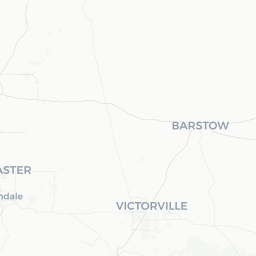
March Air Reserve Base is a small census-designated place in Riverside County, California, situated roughly 60 miles east of Los Angeles and adjacent to the city of Moreno Valley. With a resident population of just over 1,000, it functions primarily as a military and aviation community rather than a conventional tourist destination.
The site has deep roots in American military aviation history. Originally established in 1918, March Field was one of the oldest military airfields in the United States and played significant roles in both World War II and the Cold War. In 1996 it was realigned as March Air Reserve Base, and today it hosts a joint-use civilian and military airport — March Inland Port Airport — alongside active Air Force Reserve operations.
For civilian travelers, the main draw is the March Field Air Museum, which preserves and displays decades of military aviation history on the grounds of the base. Day visitors typically pair this stop with broader exploration of the Inland Empire region, including Riverside, Moreno Valley, and the Temecula wine country to the south.
Before You Go
Visas and Entry
March Air Reserve Base is located in the United States. For visa and entry requirements, check TravelerPulse's Visas section and consult the U.S. Department of State or your home country's immigration authority well in advance of travel.
Base Access
As an active military installation, most of the base is restricted to authorized personnel and their guests. Civilian visitors are generally limited to the March Field Air Museum area, which has its own public entrance off Van Buren Boulevard. You do not need military credentials to visit the museum. Verify current access policies with the museum directly before your visit.
What to Bring
- Government-issued photo ID is advisable whenever visiting federal property areas
- Comfortable walking shoes — outdoor aircraft displays cover considerable ground
- Sun protection; the Inland Empire climate is dry and sunny, with limited shade on the flight line
- Water; summer temperatures regularly exceed 90°F (32°C)
Getting There
By Air
March Inland Port Airport (RIV) operates as a general aviation and limited commercial facility. For most travelers, the nearest major airport is Ontario International Airport (ONT), approximately 25 miles to the northwest, or Los Angeles International Airport (LAX) about 65 miles west. San Diego International Airport (SAN) is roughly 90 miles south.
By Car
Driving is the most practical way to reach this area. From Interstate 215, exits near Van Buren Boulevard provide direct access to the museum entrance. Parking is available on site; verify fees locally. From Los Angeles, the drive typically takes 60–90 minutes depending on traffic.
By Public Transit
Riverside Transit Agency (RTA) serves the broader Moreno Valley and Riverside area. Bus routes operate in the vicinity, but service to the museum entrance specifically should be confirmed on the RTA website before travel. Metrolink commuter rail connects Riverside to Los Angeles, and local bus connections are possible from Riverside–La Sierra or Riverside–Downtown stations, though the journey requires planning.
Getting Around
Within the March Air Reserve Base community itself, a private vehicle is essentially required. There are no walkable commercial districts or tourist infrastructure beyond the museum. Rideshare services (Uber, Lyft) are available in the surrounding Moreno Valley and Riverside areas and can be used to reach the museum, though pickup availability in this semi-rural zone may be limited — confirm before relying on them for your return journey.
Most visitors use this location as a single-stop excursion and then drive to Riverside, Moreno Valley, or other Inland Empire destinations for meals, accommodation, and further sightseeing.
Things to See & Do
March Field Air Museum
The March Field Air Museum is the primary civilian attraction associated with this community. It houses an extensive collection of aircraft spanning from early military aviation through the jet age, including bombers, fighters, trainers, and transport aircraft displayed both indoors and on an outdoor flight line. The collection includes rare Cold War-era strategic aircraft. Admission fees, hours, and any special event schedules should be verified on the museum's official website before your visit.
Aviation and Military History
The museum's archival exhibits and historical displays provide context for March Field's century-long role in U.S. military aviation. This is particularly rewarding for visitors interested in World War II history, the early Air Force, or Cold War strategy.
Surrounding Natural Areas
The broader region offers access to Box Springs Mountain Reserve (Moreno Valley) and the foothills of the San Bernardino and San Jacinto ranges, all within a short drive. Lake Perris State Recreation Area, a few miles to the southeast, offers fishing, boating, swimming, and camping.
Food & Drink
There are no independent restaurants or cafes within the March Air Reserve Base community accessible to civilian visitors. Dining options are concentrated in adjacent Moreno Valley and along the Van Buren Boulevard corridor, where national chain restaurants, fast food, and local casual dining establishments are plentiful.
Riverside, about 15 minutes by car, offers a broader dining scene including downtown restaurants near the Mission Inn area. For a more curated food and wine experience, Temecula's wine country is roughly 30–40 miles south and is a natural pairing with a day trip to the museum.
Practical Information
Emergency Services
For emergencies in California, dial 911. Riverside University Health System Medical Center is the major hospital serving the Moreno Valley and March area.
Connectivity
Mobile coverage from major U.S. carriers (Verizon, AT&T, T-Mobile) is generally reliable in this part of Riverside County. The museum and any adjacent facilities may offer Wi-Fi; verify locally.
Climate Notes
The Inland Empire has a semi-arid climate. Summers are hot and dry (June–September), with temperatures frequently in the 90s°F. Winters are mild but can bring occasional rain. Spring and fall offer the most comfortable conditions for outdoor exploration of the aircraft displays.
Accessibility
The museum's outdoor flight line is on paved surfaces. Contact the museum directly to confirm accessibility provisions for visitors with mobility needs.
Safety
March Air Reserve Base and the surrounding Moreno Valley suburbs are generally safe for visitors. Standard precautions apply: secure valuables in your vehicle, stay aware of your surroundings, and follow all posted instructions on and near federal property.
Do not attempt to access restricted areas of the active military base. Security personnel are present, and unauthorized access to military installations is a federal offense. All visits should be confined to publicly designated areas such as the museum grounds.
During summer months, heat safety is a genuine concern. Stay hydrated, apply sunscreen, and limit prolonged exposure during peak afternoon heat when visiting outdoor aircraft displays.