Overview
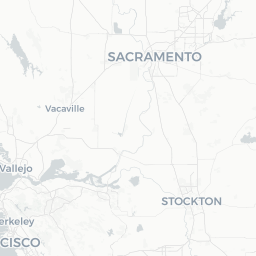
Roseland is a small, unincorporated community in Sonoma County, California, situated just southwest of downtown Santa Rosa. With a population of roughly 6,000 residents, it functions effectively as a neighborhood within the broader Santa Rosa metropolitan area rather than a standalone destination city. For much of its recent history it operated as an unincorporated area of Sonoma County, but it was annexed by the City of Santa Rosa in 2017 following years of community advocacy.
The community has a distinctly Latino character, with a significant proportion of residents tracing roots to Mexico and Central America. This shapes much of the local food scene, the feel of its commercial corridors, and the community events that take place throughout the year. Roseland is a working-class neighborhood and travelers visiting for cultural authenticity rather than conventional tourism attractions will find it most rewarding.
For visitors, Roseland is best understood as a place to pass through or stay near while exploring Sonoma County's wine country, parks, and the larger city of Santa Rosa. Its location along Sebastopol Road gives it a practical, accessible character, with easy connections to Highway 12 and the broader regional road network.
Before You Go
Roseland is part of the United States, so entry requirements follow standard US immigration rules. For visa and entry guidance, check TravelerPulse's Visas section and consult the US Customs and Border Protection website directly.
The climate here is Mediterranean — warm and dry from late spring through early fall, with mild, wet winters. If you are visiting between November and March, expect rain and pack accordingly. Summers are generally sunny with low humidity, though fog can drift in from the coast during morning hours.
Roseland itself has limited tourist infrastructure, so plan accommodation through the wider Santa Rosa area. Most services — hotels, car rentals, medical facilities — are readily available a short drive away in central Santa Rosa. Having a car is strongly recommended, as public transit options are present but limited for covering Sonoma County broadly.
Getting There
By Air
The closest commercial airport is Charles M. Schulz–Sonoma County Airport (STS), located in Santa Rosa approximately 5–7 miles north of Roseland. It offers regional connections primarily through Los Angeles and other California hubs. San Francisco International Airport (SFO) and Oakland International Airport (OAK) are larger alternatives roughly 55–70 miles south, with broader route options and typically more competitive fares.
By Car
Roseland sits adjacent to US-101, which connects north to Cloverdale and south toward San Francisco. Highway 12 also passes through the area, linking toward Sonoma Valley to the east. Driving is the most practical way to arrive and move around once here.
By Bus
Sonoma County Transit and Santa Rosa CityBus both operate routes in the area. Greyhound serves Santa Rosa with intercity coach connections. Verify current schedules and stops on the respective operators' official websites before travel.
Getting Around
A personal vehicle or rental car is the most practical way to get around Roseland and the wider Sonoma County area. Parking is generally available along commercial corridors without significant difficulty.
Santa Rosa CityBus serves several routes in and around Roseland, making it possible to reach downtown Santa Rosa and nearby areas without a car, though frequency and coverage vary. Verify current routes and schedules at the official Santa Rosa CityBus website.
Ride-hailing services such as Uber and Lyft operate in the Santa Rosa area and are generally reliable for shorter trips. Cycling is feasible within the flat portions of the neighborhood, though dedicated infrastructure is uneven.
Things to See & Do
Roseland itself is a residential and commercial community rather than a destination defined by landmarks. However, its location makes it an excellent base for Sonoma County's broader attractions.
- Sonoma County Wine Country: The Russian River Valley and Sonoma Valley appellations are within easy driving distance, offering tastings at well-regarded wineries. Verify tasting room hours and reservation requirements directly with individual wineries.
- Santa Rosa proper: The LGBTQ+ inclusive Old Courthouse Square, the Charles M. Schulz Museum (dedicated to the creator of Peanuts), and the Safari West wildlife preserve are all a short drive from Roseland.
- Regional parks: Sonoma County Regional Parks, including Spring Lake Regional Park, offer trails, picnicking, and lake access close by.
- Local community events: Roseland hosts community events tied to Latino cultural celebrations, including Día de los Muertos observances. Check local community boards or the City of Santa Rosa's events calendar for current programming.
- Farmers markets: The Santa Rosa Original Certified Farmers Market and other seasonal markets in the region are worth exploring for locally grown produce and artisan goods. Verify current schedules locally.
Food & Drink
Roseland's most notable culinary identity is its authentic Mexican and Central American food. The Sebastopol Road corridor has a concentration of taquerias, panaderías (Mexican bakeries), and Latin American restaurants that draw visitors from across Sonoma County. Carnitas, birria, tamales, and fresh-made tortillas feature prominently. Many establishments are small, family-operated, and cash-preferred — carry some cash to be safe.
Beyond Roseland's own commercial strip, the broader Santa Rosa area offers a wide range of dining options from casual diners and brewpubs to upscale farm-to-table restaurants that reflect Sonoma County's strong agricultural identity. Many restaurants in the region emphasize locally sourced produce, dairy, and proteins.
Beer enthusiasts will find several craft breweries operating in Santa Rosa and environs. Sonoma County has a well-developed craft brewing scene alongside its wine reputation. Always verify opening hours with venues directly, as hours can shift seasonally.
Practical Information
Emergency Services
For any emergency in the United States, dial 911. This connects to police, fire, and ambulance services.
Medical
The nearest hospital with emergency services is Santa Rosa Memorial Hospital and Kaiser Permanente Santa Rosa Medical Center in central Santa Rosa. Verify locations and hours on their official websites.
Money
US Dollars are the currency. ATMs are available at banks and retailers throughout the area. Many small local businesses, particularly on Sebastopol Road, may be cash-preferred — confirm before ordering.
Connectivity
Cell coverage from major US carriers is reliable throughout the area. Wi-Fi is available at most accommodations and many cafes in greater Santa Rosa.
Tipping
Standard US tipping customs apply: 18–20% at sit-down restaurants, $1–2 per drink at bars, and a few dollars for service workers. This is culturally expected, not optional.
Safety
Roseland is a working-class neighborhood and, like many urban communities, has experienced crime disparities compared to wealthier adjacent areas. Travelers should exercise the same general awareness they would in any city neighborhood: be attentive to surroundings, avoid leaving valuables visible in parked cars, and stay aware at night.
The community has undergone significant investment and advocacy following its annexation into Santa Rosa, and the general daytime experience along commercial corridors is unremarkable from a safety standpoint for most visitors. Consult current local advisories or the Santa Rosa Police Department's public communications for the most up-to-date context.
Local Culture & Etiquette
Roseland has a strong and visible Latino cultural identity that distinguishes it within the broader Santa Rosa region. Spanish is widely spoken alongside English in shops, restaurants, and among residents. Visitors who engage respectfully with this community character — rather than treating it as a backdrop — will have a more genuine experience.
Community pride is evident in murals, local businesses, and annual cultural events. Día de los Muertos, quinceañeras, and religious observances tied to Catholic tradition are part of the social fabric. When attending any community event as a visitor, be respectful of local customs and ask before photographing individuals or private ceremonies.