Overview
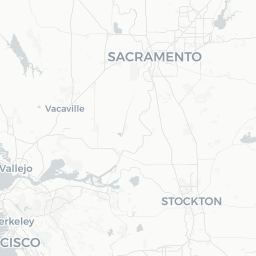
Sonoma is a small city of roughly 11,000 residents situated at the southern end of Sonoma Valley in Northern California's wine country, about 45 miles north of San Francisco. Despite its modest size, the city carries considerable historical weight: it was here in 1846 that American settlers raised the Bear Flag and briefly declared a California Republic, an episode commemorated at Sonoma State Historic Park.
The heart of the city is its central plaza — one of the largest historic town squares in California — ringed by locally owned restaurants, tasting rooms, boutiques, and historic adobe buildings. The surrounding valley and Carneros region are home to dozens of wineries producing Pinot Noir, Chardonnay, Zinfandel, and Cabernet Sauvignon, among other varieties.
Sonoma moves at a noticeably slower pace than nearby Napa, which many visitors appreciate. The town has a genuine community feel, a strong farmers' market culture, and a culinary scene that leans heavily on local produce, artisan cheese, and seasonal ingredients.
Before You Go
Visas and Entry
Sonoma is in the United States. Entry requirements vary by nationality. For accurate, up-to-date information, check TravelerPulse's Visas section and the official U.S. Customs and Border Protection website.
When to Go
- Spring (April–June): Mild temperatures, wildflowers, and fewer crowds than summer. Good for hiking.
- Summer (July–August): Warm and dry, peak tourism season. Book accommodations well in advance.
- Harvest (September–October): The most celebrated time in wine country; crush events, open tastings, and harvest festivals draw large crowds.
- Winter (November–March): Quieter and cooler; some smaller wineries have reduced hours. Good for budget-conscious travelers who don't mind occasional rain.
What to Pack
Sonoma Valley sees minimal rainfall outside winter months, but evenings can be cool year-round due to marine influence from San Pablo Bay. A light jacket is advisable even in summer. Comfortable walking shoes are useful for exploring the plaza and vineyard trails.
Getting There
By Air
The closest major airport is San Francisco International Airport (SFO), roughly 55–65 miles south. Oakland International Airport (OAK) is a comparable distance and sometimes offers lower fares. Charles M. Schulz–Sonoma County Airport (STS) in Santa Rosa is the nearest regional airport, about 18 miles north, with limited connecting flights — verify current routes before planning around it.
By Car
Most visitors arrive by car. From San Francisco, take US-101 north to Highway 37 east, then Highway 121 north into Sonoma — roughly 1 to 1.5 hours depending on traffic. Highway 12 connects Sonoma to Santa Rosa to the north. A car provides the most flexibility for visiting wineries spread across the valley.
By Transit
Golden Gate Transit operates bus service connecting Sonoma to Marin County and San Francisco; verify current schedules and routes at the official Golden Gate Transit site. Sonoma County Transit provides local and regional bus connections. Transit is workable for reaching the city center but is less practical for exploring outlying wineries.
Getting Around
The central plaza and immediate downtown area are very walkable. Most shops, tasting rooms on or near the plaza, and several restaurants are within easy walking distance of one another.
For wineries outside the immediate downtown — particularly those along Sonoma Valley (Highway 12) or in the Carneros AVA — a car is the standard option. Rideshare services (Uber and Lyft) operate in the area but availability can be limited, especially late evenings. Several local companies offer wine country tours and shuttle services, which is a practical choice for groups who want to taste wine without a designated driver; verify current operators locally or through your accommodation.
Bicycling is a popular option on low-traffic valley roads. Bike rentals are available in town — confirm current operators locally, as businesses change.
Where to Stay
Sonoma's accommodation options include small inns and bed-and-breakfasts near the plaza, a handful of larger hotels, and vacation rental properties throughout the surrounding valley. Given the city's popularity as a weekend destination from the Bay Area, advance booking is strongly advised for Friday and Saturday nights, particularly during summer and harvest season.
Some visitors choose to base themselves in nearby Petaluma or Santa Rosa, where accommodation may be more available or affordable, and drive into Sonoma — both cities are within 20–30 miles. Verify current hotel options and availability through a reputable booking platform, as properties open and close.
Things to See & Do
Sonoma State Historic Park
This state park encompasses several significant 19th-century adobe structures around and near the plaza, including the Sonoma Barracks, the Blue Wing Inn, and Mission San Francisco Solano — the northernmost and last of California's 21 Spanish missions. It's an accessible introduction to California's colonial and early statehood history. Check California State Parks' official site for current hours and fees.
Wine Tasting
Sonoma Valley is divided into multiple American Viticultural Areas (AVAs), including Sonoma Valley, Carneros, and Sonoma Mountain. Tasting rooms range from large estate operations to small family wineries. Many wineries require advance reservations, especially on weekends and during harvest season — contact individual wineries directly.
Sonoma Plaza
The plaza itself is worth time on its own. The Sonoma City Hall, a historic stone building, sits at the center. The surrounding streets have independent bookstores, cheese shops, galleries, and wine-focused retail. The Sonoma Farmers Market operates at the plaza on regular schedule — verify current days and times locally.
Outdoor Activities
- Sugarloaf Ridge State Park (approximately 7 miles north): Offers hiking with valley views; trails range from easy walks to strenuous ridge climbs. Check California State Parks for conditions and fees.
- Sonoma Overlook Trail: A moderate hike accessible from the north end of town with views over the city and valley.
- Bartholomew Park: A historic estate with trails open to the public adjacent to a working winery.
Jack London State Historic Park
Located in Glen Ellen, about 8 miles north of Sonoma, this park preserves the ranch and ruins of the estate belonging to author Jack London. Hiking trails wind through the grounds.
Food & Drink
Sonoma's food culture is deeply tied to its agricultural surroundings. The area is known for artisan cheese (Vella Cheese Co. has operated in Sonoma since 1931), locally grown produce, and a farm-to-table restaurant philosophy that predates the phrase becoming a marketing term.
The plaza and its immediate surroundings concentrate most dining options, ranging from casual delis and wine bars to sit-down restaurants. Given the city's size, the quality-to-size ratio is unusually high, reflecting the expectations of a well-traveled, food-oriented visitor base. Reservations are strongly recommended for dinner at popular spots on weekends.
Beyond wine, the region also produces craft beer and spirits. A number of tasting rooms along and near the plaza allow visitors to sample local wines without leaving downtown. Many wineries also offer food pairings or allow outside food — confirm with individual venues.
Practical Information
Money
The US Dollar is the only currency accepted. Credit and debit cards are widely used; carry some cash for farmers' markets and small vendors.
Connectivity
Cellular coverage (major US carriers) is generally reliable in the city center and along Highway 12. Coverage may drop in more remote vineyard and hiking areas. Wi-Fi is available at most accommodations and many cafes.
Tipping
Standard US tipping practices apply: 18–22% at restaurants, $1–2 per drink at bars, and similar norms for other services.
Accessibility
The plaza area is largely flat and accessible. Some historic sites, vineyard properties, and hiking trails have limited accessibility — contact individual venues or California State Parks directly for specific information.
Emergency Services
For any emergency in the United States, dial 911.
Safety
Sonoma is a low-crime small city and is generally considered safe for travelers. Standard urban precautions apply: don't leave valuables visible in parked vehicles, particularly at trailheads and winery parking lots where car break-ins have been reported intermittently.
Driving under the influence of alcohol is a serious concern in any wine country destination. Plan transportation before beginning a day of tasting — designate a driver, use a tour operator, or arrange rideshare service in advance.
Wildfire risk is a real consideration in Sonoma County, particularly from late summer through fall. Monitor air quality and official alerts through local authorities and California's Air Resources Board (AirNow) if visiting during fire season.