Translate


Overview
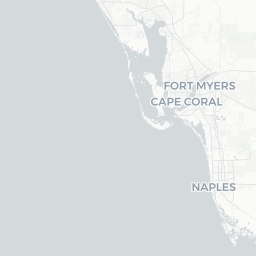
Fort Myers is a mid-sized city on Florida's Southwest Gulf Coast, seated along the Caloosahatchee River in Lee County. Though it is often overshadowed by its neighbor Naples to the south or by the barrier islands just offshore, the city has its own distinct identity rooted in history, natural beauty, and a relaxed riverfront culture.
The city is perhaps best known as the winter retreat chosen by Thomas Edison and Henry Ford, whose adjacent historic estates remain one of the most-visited attractions in all of Florida. Beyond that legacy, Fort Myers serves as a practical gateway to the beaches of Fort Myers Beach, Sanibel Island, and Captiva Island, all accessible within a short drive.
Downtown Fort Myers has undergone steady revitalization, with a walkable riverfront district hosting restaurants, galleries, and live music venues. The city appeals to a wide range of travelers: nature lovers drawn to the region's mangroves and wildlife, history enthusiasts, retirees, and families looking for a less commercialized alternative to Florida's more heavily touristed corridors.
Before You Go
Visas
Fort Myers is in the United States. Entry requirements vary significantly by nationality. Check TravelerPulse's Visas section for general guidance and consult the U.S. Customs and Border Protection website or your nearest U.S. embassy or consulate for requirements specific to your passport.
Weather & Seasons
Fort Myers has a subtropical climate with two dominant seasons. The dry season (November–April) brings lower humidity, temperatures typically in the 70s°F (low-to-mid 20s°C), and reliably sunny days — this is peak travel season and when the city is most crowded. The wet season (May–October) brings daily afternoon thunderstorms, high humidity, and temperatures frequently above 90°F (32°C). Hurricane season runs June through November; check forecasts before travel in those months.
Health & Insurance
Travel health insurance that covers medical costs in the United States is strongly recommended for international visitors, as healthcare costs are high. No vaccination requirements exist for domestic U.S. travel, but verify current guidance on any health advisories before departure.
What to Pack
- Lightweight, breathable clothing year-round
- Sunscreen (high SPF) and a hat — UV exposure is intense even in winter
- Insect repellent, especially if visiting nature preserves
- A light jacket for the dry season when evenings can be cool
- Water shoes if you plan to explore beaches or kayak
Getting There
By Air
Southwest Florida International Airport (RSW) is the primary commercial airport serving the Fort Myers area. It is located southeast of the city center and handled by a range of major and regional U.S. carriers, with some international seasonal routes. Verify current airlines and routes on the Lee County Port Authority's official site. Ground transport to the city includes rental cars, taxis, and ride-share services; verify current shuttle availability locally.
By Car
Fort Myers is accessible via Interstate 75, which runs north–south through Southwest Florida. From Miami, the drive is roughly two hours; from Tampa, approximately two hours heading south. A car is the most practical way to reach the city and to travel between the city, beaches, and surrounding attractions.
By Bus
Flixbus and Greyhound have served Southwest Florida routes at various times; verify current schedules and stops on carrier websites before travel.
By Cruise
The Port of Fort Myers does not handle large cruise ships. Travelers arriving on cruises typically use Port Everglades (Fort Lauderdale) or PortMiami and then travel overland.
Getting Around
Car
A rental car is strongly recommended for most visitors. Attractions are spread across the city and surrounding areas, and public transit coverage is limited. Parking is generally available and manageable outside peak season.
LeeTran Bus
LeeTran is the local public bus system operated by Lee County. It covers Fort Myers and portions of the surrounding county. It is a viable option for some urban trips but routes and schedules may not align well with major tourist destinations. Check the LeeTran website for current routes and fares.
Ride-Share
Uber and Lyft operate in Fort Myers and are widely used for trips within the city and to the airport. Coverage to the barrier islands can be inconsistent; verify availability.
Bicycle & Scooter
Downtown Fort Myers and parts of the riverfront are reasonably bikeable. Some areas have dedicated paths. Renting a bike or e-scooter can work well for short urban trips; verify current rental operators locally.
To the Beaches
Sanibel and Captiva Islands are accessed via the Sanibel Causeway, which charges a toll (verify current toll amount on the Lee County website). Fort Myers Beach on Estero Island is reached via a bridge with no toll. Water taxis and ferries provide additional options to some barrier islands — verify schedules and operators locally.
Things to See & Do
Edison & Ford Winter Estates
This National Historic Landmark encompasses the adjacent winter homes of Thomas Edison and Henry Ford, along with Edison's working laboratory and a botanical garden he cultivated over decades. Guided tours cover both properties and provide substantial historical context. Admission is charged; verify current hours and prices at the official estate website.
Downtown Riverfront
The downtown area along the Caloosahatchee River has a walkable strip with shops, restaurants, public art, and small parks. The area is particularly lively on weekend evenings. The city frequently hosts outdoor events and festivals in this corridor — check local event listings.
Mound Key Archaeological State Park
Accessible only by boat from Estero Bay, Mound Key is an island composed almost entirely of shell midden built up by the Calusa people over centuries. It is one of the most significant Indigenous archaeological sites in Florida. No facilities are on the island; bring water, food, and sun protection.
Six Mile Cypress Slough Preserve
This linear wetland preserve offers a boardwalk trail through a cypress swamp ecosystem. Wildlife sightings — including herons, anhingas, otters, alligators, and various turtles — are common year-round. Admission is charged for parking; verify current fees with Lee County.
Manatee Park
During cooler months (roughly November through March), manatees congregate in the warm-water discharge area near this county park on the Orange River. The park is free to enter (parking fees apply; verify locally). It is one of the most accessible manatee viewing sites in Southwest Florida.
Calusa Nature Center & Planetarium
This local nature center features native wildlife exhibits, a butterfly house, and regularly scheduled planetarium shows. It caters to families and those interested in regional ecology. Verify current hours and admission.
Nearby Beaches
Fort Myers Beach, Sanibel, and Captiva are the closest beach destinations and are covered in the Nearby section below. Day trips to these areas are a near-universal part of a Fort Myers visit.
Food & Drink
Local Cuisine
Southwest Florida's food scene centers heavily on fresh seafood. Stone crab claws are a regional specialty, available in season (roughly mid-October through mid-May; verify current season regulations). Grouper, snapper, shrimp, and oysters are standard menu items at most waterfront restaurants. Cuban and Latin American food also has a notable presence reflecting the broader South Florida culinary influence.
Downtown Fort Myers
The downtown riverfront district has the highest concentration of restaurants and bars in the city, ranging from casual waterfront spots to more polished dining rooms. The area becomes particularly busy on weekend evenings. Explore First Street and the surrounding blocks for the widest variety.
Practicalities
- Tipping is customary and expected at sit-down restaurants: 18–20% is standard for satisfactory service
- Many restaurants close or reduce hours in summer (wet season) when tourist numbers drop — verify hours before visiting
- Food trucks and farmers markets appear periodically throughout the city; check local event listings for current schedules
- Alcohol is widely available; the legal drinking age in the United States is 21
Shopping
Fort Myers offers a mix of shopping formats. Bell Tower Shops is an open-air lifestyle center with national retailers and restaurants. Edison Mall is the area's primary enclosed mall. Downtown has a growing number of independent boutiques, galleries, and specialty food shops, particularly concentrated along First Street and in the nearby River District.
For more distinctive shopping, the barrier islands — particularly Sanibel — are known for shell shops and artisan goods, though prices reflect the tourist economy. Verify current business hours locally, as independent shops can have variable schedules especially in the off-season.
Practical Information
Emergency Services
In the United States, dial 911 for all police, fire, and medical emergencies.
Money
ATMs are widely available. Major credit and debit cards are accepted nearly universally. Some farmers markets and food trucks may be cash-only — carry a small amount of cash as backup.
Tipping Culture
Tipping is standard practice in the United States. Restaurant servers: 18–20% of the pre-tax bill. Hotel housekeeping: a few dollars per night is customary. Taxi and ride-share drivers: 10–15% is common.
Connectivity
Cell coverage from major U.S. carriers is reliable throughout Fort Myers and most of Lee County. Free Wi-Fi is available at many cafes, restaurants, and the public library. International visitors should verify roaming rates or consider a local SIM.
Pharmacies & Medical
Chain pharmacies (CVS, Walgreens) are common throughout the city. Lee Health operates the main hospital network in the area; verify current facilities and locations on their official website. Travel health insurance covering U.S. medical costs is strongly recommended for international visitors.
Accessibility
Most major attractions, hotels, and shopping centers comply with ADA accessibility standards. The Edison & Ford Winter Estates has accessibility accommodations; contact them directly for specifics. Some nature preserves (boardwalk trails) are also accessible, though terrain varies.
Safety
Fort Myers is generally a safe destination for tourists. As with any U.S. city, exercise standard precautions: be aware of your surroundings, secure valuables in your vehicle out of sight, and avoid leaving bags unattended.
The downtown riverfront district is well-trafficked and generally safe during the day and evening. Some residential areas away from tourist zones have higher crime rates; stay oriented using current maps and local guidance.
Hurricane preparedness: If traveling between June and November, monitor the National Hurricane Center (nhc.noaa.gov) for storm activity. Fort Myers was significantly impacted by Hurricane Ian in September 2022, and ongoing recovery has reshaped parts of the barrier islands in particular. Verify the current status of specific attractions or accommodations if recent storm activity is a concern.
Wildlife awareness: Alligators are present in virtually all freshwater bodies in Florida. Keep a safe distance and never feed them. Jellyfish and stingrays can be present in Gulf waters; shuffle your feet when entering the water to avoid startling rays.
Local Culture & Etiquette
Fort Myers has a layered cultural history. The Calusa people inhabited this region for thousands of years before European contact, and their legacy is visible at sites like Mound Key and through exhibits at the Calusa Nature Center and local museums. Spanish colonial influence, followed by American settlement, shaped the modern city.
The city's identity today is strongly shaped by its snowbird population — seasonal residents from the northern United States and Canada who arrive each winter. This gives Fort Myers and the broader Lee County area a somewhat transient demographic character during peak season, with the population swelling significantly from roughly November through April.
The arts are well-represented for a city of this size. The Alliance for the Arts hosts visual arts programming and a community theater. The Barbara B. Mann Performing Arts Hall, located on the Florida SouthWestern State College campus, brings touring Broadway shows and concerts to the area. The Sidney & Berne Davis Art Center in downtown Fort Myers is an architecturally notable venue housed in a historic federal building, offering gallery exhibitions and live events. Verify current programming and schedules on each venue's official site.