Overview
Frostproof is a small city in Polk County, in central Florida's Lake Wales Ridge region, sitting at roughly 27.7°N latitude in the heart of the Florida interior. Despite its name — which locals say was coined to attract settlers by suggesting the area was immune to freezes — Frostproof is very much a real Florida town with a population of just over 3,000 people and an unhurried pace of life.
The city is best known among outdoor enthusiasts for its position on a chain of lakes, most notably Lake Clinch and Lake Reedy, which offer fishing, boating, and birdwatching opportunities. The broader Lake Wales Ridge landscape here is ecologically significant, supporting scrub habitat and a variety of Florida-native wildlife.
Historically, Frostproof grew as a citrus-producing community in the late 19th and early 20th centuries, and agriculture — particularly citrus — remains part of the local identity even as groves have diminished over the decades. Visitors typically come for the natural surroundings rather than urban amenities, and the town rewards travelers who appreciate authenticity over tourist infrastructure.
Before You Go
Visas and Entry
Frostproof is located in the United States. For visa and entry requirements, check TravelerPulse's Visas section and the U.S. Customs and Border Protection website (cbp.gov) or your nearest U.S. embassy or consulate.
What to Pack
- Light, breathable clothing is appropriate most of the year; bring a layer for evenings in winter months (November–February).
- Rain gear or a compact umbrella is useful from June through September, Florida's rainy season, when afternoon thunderstorms are common.
- Sunscreen, a hat, and insect repellent are practical necessities for any outdoor activity.
- The town has limited retail options, so bring specialty items — medications, hiking gear, or specific food preferences — from a larger city.
Connectivity
Cell service is generally available from major U.S. carriers, though signal can be spotty in rural areas around the lakes. Verify coverage with your provider before relying on navigation apps in remote spots.
Getting There
Frostproof has no commercial air or rail service of its own. The practical approach for most travelers is to fly into a regional airport and drive.
Nearest Airports
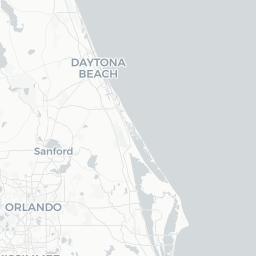
- Orlando International Airport (MCO) is roughly 70–80 miles northeast and is the most commonly used gateway, with extensive domestic and international connections.
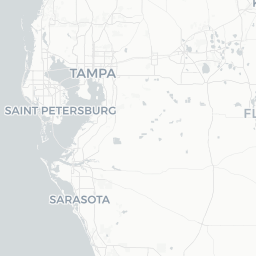
- Tampa International Airport (TPA) is approximately 70 miles to the west and offers another strong option, particularly for travelers coming from the Gulf Coast direction.
- Orlando Sanford International Airport (SFB) is further north but may suit certain itineraries.
By Car
A personal vehicle or rental car is essentially required to visit Frostproof. U.S. Highway 27 and State Road 17 are the primary routes connecting the town to the broader region. The drive from Orlando or Tampa takes roughly 90 minutes depending on traffic. Verify current road conditions before departure, especially during Florida's hurricane season (June–November).
Public Transit
No practical long-distance public transit option serves Frostproof directly. Polk County Transit operates local bus routes within the county; verify current schedules and coverage at the Polk County Transit website before relying on this option.
Getting Around
A personal vehicle is the only reliable way to get around Frostproof and its surroundings. The town itself is compact and walkable in its small downtown core, but lakes, parks, and any practical errands outside the center require a car.
Ride-hailing services such as Uber and Lyft may have limited availability in this rural area — do not count on them as a primary transportation option. Verify availability before you arrive if you plan to travel without a car.
Cycling is feasible within town on flat terrain, but there are no dedicated bike lanes and traffic infrastructure is basic. If you bring or rent a bicycle, exercise appropriate caution on rural roads.
Where to Stay
Frostproof has very limited formal lodging infrastructure given its size. There is no established hotel district. Travelers typically find accommodations through vacation rental platforms (such as Vrbo or Airbnb), which sometimes list lakefront cottages or private homes in the area — suitable for visitors who want direct lake access.
Alternatively, Avon Park, Lake Wales, and Sebring all have chain hotels and motels that serve as practical bases for day trips to Frostproof. Sebring in particular, as the Highlands County seat, has the most developed lodging market in the immediate region.
Verify current availability and conditions for any accommodation before booking, especially if choosing a private vacation rental.
Things to See & Do
Lakes and Outdoor Recreation
The lakes surrounding Frostproof — including Lake Clinch, Lake Reedy, and several smaller bodies of water — are the primary draw for visitors. Fishing is popular year-round, with largemouth bass a common target species. Verify local fishing license requirements with the Florida Fish and Wildlife Conservation Commission (myfwc.com) before you fish. Kayaking and canoeing are well-suited to the calmer lake environments.
Birdwatching
The Lake Wales Ridge scrub ecosystem in this part of Polk County supports species of conservation interest, including the Florida Scrub-Jay. The landscape also attracts a wide range of wading birds, shorebirds, and raptors, making it worthwhile for birders of all experience levels.
Lake Clinch Park
The city maintains Lake Clinch Park as a local recreation area with lake access, a boat ramp, and green space. Verify current facilities and hours directly with the City of Frostproof before visiting, as amenities at small municipal parks can change.
Scenic Driving and Small-Town Exploration
U.S. 27 and the surrounding ridge roads offer pleasant drives through citrus country and rural Florida landscape. The small downtown area has modest historic character and is worth a short walk to appreciate the town's scale and pace.
Food & Drink
Frostproof's dining scene is modest and oriented toward local residents rather than tourists. Expect a small number of casual diners, sandwich shops, and family-style restaurants rather than a diverse culinary landscape. Options change periodically in a town of this size, so verify current open establishments through Google Maps or Yelp before planning meals.
For broader restaurant variety — including chain options and more diverse cuisine — Avon Park (about 10 miles south) and Lake Wales (about 15 miles north) offer additional choices. Sebring, roughly 20 miles south, has the widest dining selection in the immediate region.
If you are self-catering or staying in an accommodation with a kitchen, bring groceries from a larger town. Grocery options within Frostproof are limited. Verify what is currently available locally before arrival.
Practical Information
Emergency Services
In an emergency in the United States, dial 911 for police, fire, or medical services.
Medical Facilities
Frostproof has limited medical infrastructure. For anything beyond minor issues, the nearest hospitals are in larger nearby communities. Verify the location of the nearest emergency room before you travel, and carry any prescription medications you need.
Banking and Cash
ATMs may be available in town but options are limited. Carry sufficient cash for small purchases and fuel. Major credit cards are accepted at most businesses, but verify locally for very small establishments.
Climate Notes
Summers (June–September) are hot and humid with a high probability of daily afternoon thunderstorms. Lightning is a serious hazard in Florida; get off open water and away from exposed areas immediately if storms approach. Winters are mild and dry — the most comfortable season for outdoor activity.
Safety
Frostproof is a quiet residential community and visitors generally encounter no unusual safety concerns. Standard travel awareness applies: secure your vehicle and do not leave valuables visible.
The primary safety consideration in this area is the natural environment. Florida's lakes and wetlands are home to alligators — treat any body of water as potentially inhabited and keep a respectful distance from the water's edge, especially at dawn and dusk. Do not feed alligators, which is both dangerous and illegal in Florida.
Summer thunderstorms can be severe and fast-moving. Monitor weather forecasts (the National Weather Service at weather.gov is reliable) and have a plan to shelter quickly if on the water or in open areas.