Overview
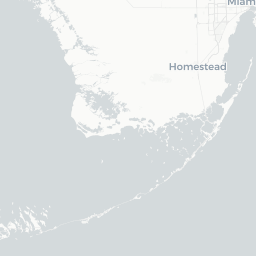
Key Largo is the largest and northernmost island in the Florida Keys, sitting roughly 60 miles south of Miami at the top of the Overseas Highway (US-1). With a permanent population of around 10,000, it functions more as a gateway community than a resort town — most visitors come for what lies beneath the water rather than above it.
The island sits alongside John Pennekamp Coral Reef State Park, the first underwater state park in the United States, and is bordered by the Florida Keys National Marine Sanctuary. These protections have kept the offshore reef system in relatively good health compared to much of the Caribbean, making Key Largo one of the most accessible reef-diving destinations in North America.
On land, Key Largo is a low-key, unpolished place. The strip along US-1 is dominated by dive shops, fish shacks, marinas, and roadside motels — a welcome contrast to the more curated atmosphere of Key West to the south. Travelers who arrive expecting a conventional beach resort will likely be surprised; those who arrive ready to get into the water will find exactly what they came for.
Before You Go
Visas and Entry
Key Largo is part of the United States. Entry requirements depend entirely on your nationality. Check TravelerPulse's Visas section and the official U.S. Customs and Border Protection website for current requirements before booking.
Health
No vaccinations are specifically required for travel to the Florida Keys. Mosquitoes and no-see-ums (biting midges) can be a genuine nuisance, particularly in summer and near mangroves — bring an effective repellent. If you plan to dive or snorkel extensively, consider travel insurance that covers water sports and any potential hyperbaric treatment; the nearest decompression chamber location should be verified locally before diving.
What to Pack
- Reef-safe sunscreen (Florida law and sanctuary regulations encourage it to protect coral)
- Rash guard or UV-protective swim shirt
- Sturdy water shoes or fins if you own them
- Light, breathable clothing year-round; a light layer for air-conditioned restaurants
- Waterproof dry bag for boat trips
Hurricane Season
The Atlantic hurricane season runs June 1 through November 30. The Florida Keys lie directly in common storm tracks. If traveling in summer or fall, monitor the National Hurricane Center (nhc.noaa.gov) and have a flexible cancellation policy on your accommodation.
Getting There
By Air
Miami International Airport (MIA) and Fort Lauderdale-Hollywood International Airport (FLL) are the primary entry points. From MIA, Key Largo is approximately 60 miles south via US-1 or the Florida Turnpike to Card Sound Road — travel time varies widely from 75 minutes to well over two hours depending on traffic, particularly on Friday afternoons and Sunday evenings.
By Car
Driving is the most practical way to reach Key Largo. The Florida Turnpike (SR-91) ends near Florida City, after which you cross onto the Keys via Card Sound Road (toll applies) or US-1 through Homestead. Card Sound Road is often faster and offers a scenic view from Card Sound Bridge. Confirm current toll rates locally.
By Bus
Florida Keys Shuttle and similar shared-van services operate between Miami International Airport and various Keys communities, including Key Largo. Schedules and fares change — verify current options directly with operators before travel.
By Boat
Key Largo has no scheduled ferry service from the mainland. Private and charter boats can dock at several marinas along the island.
Getting Around
Key Largo is oriented almost entirely along a single road — US-1 (Overseas Highway) — running roughly 30 miles from the top of the island to its southern tip near Tavernier. There is no meaningful public transit within the island itself.
Car or rental vehicle is the practical standard. Most attractions, restaurants, and dive operators are spread along or just off US-1, so a car gives you flexibility to move between them at your own pace. Traffic on US-1 can slow significantly in peak season and on weekends.
Bicycle travel is possible but requires caution — the highway shoulder varies in width, and traffic can be fast. The Florida Keys Overseas Heritage Trail has sections running through Key Largo that offer a safer off-road alternative for cyclists; verify current trail conditions locally.
Ride-share apps (Uber, Lyft) operate in the area but availability can be inconsistent, especially late at night or during busy periods.
Where to Stay
Accommodation in Key Largo ranges from small independent motels and fishing lodges directly on the water to larger chain hotels and vacation rental homes and condos. There is no major luxury resort complex on the island; the overall tone is functional and maritime.
Waterfront properties with private or shared docks tend to command premium rates and book up quickly in winter. If water access is important to you, confirm whether a property is on the ocean (Atlantic) side or the bay (Gulf of Florida) side — each has a different character. The bay side offers calmer water and better sunset views; the ocean side has closer proximity to the reef.
Vacation rentals (available through major platforms) are popular for families or groups and offer the advantage of a kitchen. Verify local regulations on short-term rentals, as these evolve in Monroe County.
Camping is available at John Pennekamp Coral Reef State Park and at several private campgrounds. State park campsites require advance reservations through the Florida state park reservation system — these fill well in advance during peak season.
Things to See & Do
Diving and Snorkeling
This is the primary reason most people visit Key Largo. John Pennekamp Coral Reef State Park offers ranger-guided snorkel tours, glass-bottom boat excursions, scuba diving trips, and kayak rentals. The park's underwater trails and the adjacent national marine sanctuary contain living coral formations, a variety of reef fish, sea turtles, and the famous submerged Christ of the Abyss statue. Numerous private dive operators along US-1 offer two-tank dive trips to sites throughout the sanctuary. Verify current tour availability, pricing, and reservation requirements directly with the park (floridastateparks.org) or individual operators.
John Pennekamp Coral Reef State Park
Beyond its underwater attractions, the park has a small beach area, nature trails through mangrove and tropical hardwood hammock ecosystems, a visitor center with aquariums, and a boat ramp. It is one of the most-visited state parks in Florida — arrive early during peak season.
Florida Keys Wild Bird Center
Located in Tavernier at the south end of the key, this nonprofit rehabilitation center cares for injured native and migratory birds. Free to visit (donations appreciated), it provides an opportunity to see species including herons, pelicans, and raptors up close. Verify current hours before visiting.
Kayaking and Paddleboarding
The calm backcountry waters on the bay side of Key Largo — part of Florida Bay within Everglades National Park — are excellent for kayaking through mangrove tunnels and exploring shallow flats. Several outfitters offer guided tours and rentals; guided tours are recommended for first-timers navigating the maze-like mangrove channels.
Fishing
Key Largo supports an active sport-fishing community. Offshore, nearshore, and backcountry (flats) fishing are all available. Target species include bonefish, tarpon, permit, mahi-mahi, and sailfish depending on season. Charter operators line the marinas; book in advance during peak season and confirm licensing requirements, which are set by the Florida Fish and Wildlife Conservation Commission.
Food & Drink
Key Largo's dining scene is casual and heavily seafood-focused. Expect fish sandwiches, conch fritters, stone crab (in season, typically October through May), shrimp, and lobster prepared in straightforward, unpretentious style. Fine dining options exist but are limited; the island's character leans toward open-air waterfront spots and no-frills roadside kitchens.
Conch fritters and Key lime pie are the two dishes most associated with the Florida Keys. The pie should have a pale yellow filling — artificially green versions are generally considered inauthentic by locals.
Several waterfront restaurants and tiki bars along the bay side offer sunset views with drinks, which has become a ritual for many visitors. Craft beer from Florida-based breweries appears on many menus. Rum-based cocktails — particularly the rum runner — are a local staple.
Grocery options exist along US-1 for those staying in vacation rentals or seeking to stock up. Prices for goods throughout the Keys tend to run higher than mainland Florida due to transportation logistics.
Practical Information
Emergency Services
For any emergency in the United States, dial 911. The nearest hospital with a full emergency department is in the Homestead/Florida City area on the mainland — verify the current nearest facility with your accommodation upon arrival, as medical options within the Keys are limited.
Money
Credit and debit cards are accepted almost universally. ATMs are available along US-1. Tipping is standard practice in the United States: 18–20% at restaurants, similar for tour guides and dive instructors.
Connectivity
Cellular coverage along US-1 is generally reliable for major U.S. carriers, though it can become spotty in more remote backcountry areas. Most hotels and many restaurants offer Wi-Fi.
Sun and Heat
The subtropical sun is intense year-round. UV exposure on the water is amplified by reflection. Apply reef-safe sunscreen frequently, wear protective clothing, and stay hydrated, particularly if spending full days on the water.
Fishing and Wildlife Regulations
The Florida Keys National Marine Sanctuary imposes strict rules on what can be touched, collected, or disturbed underwater — including coral and most marine life. Anchor regulations also apply in reef areas. Review sanctuary rules before diving or boating: floridakeys.noaa.gov.
Safety
Key Largo is a low-crime community by most measures. Standard travel precautions apply: secure valuables in your vehicle out of sight, use waterproof pouches for documents on boat trips, and be aware of your surroundings at waterfront bars late at night.
The more relevant safety considerations here are water-related. Rip currents can occur at oceanside beaches. Always dive with a buddy and within your certified experience level. Boat traffic near popular dive sites can be heavy — surface with a dive flag deployed and stay alert. Jellyfish, sea urchins, fire coral, and the occasional barracuda are present in the reef environment; look but do not touch anything underwater.
Boaters should carry required safety equipment, file a float plan with someone on shore, and have working VHF radio communication. Florida Fish and Wildlife Conservation Commission regulations govern equipment requirements — verify current rules before heading out.