Translate


Overview
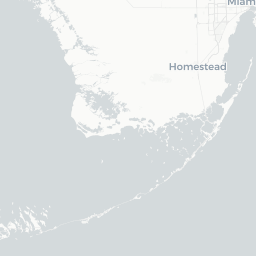
Key West sits at the end of the Florida Keys archipelago, connected to the mainland by the Overseas Highway (US-1) — a 113-mile chain of bridges and islands that is itself a landmark drive. The city occupies a small island of roughly 2 square miles, yet packs in a remarkable density of history, natural beauty, and personality.
The island has been shaped by Cuban and Bahamian immigrants, shipwreck salvagers, sponge fishermen, military personnel, writers, and artists. That layered heritage gives Key West a character distinct from anywhere else in Florida — or the United States. The pace is genuinely slower, the architecture (wooden Victorian 'conch houses') is unique, and the community has a long history of welcoming LGBTQ+ travelers.
Today tourism is the dominant economy, but the city retains working fishing docks, a small population of long-term residents, and enough non-commercial corners that it rewards travelers who look beyond Duval Street.
Before You Go
Visas & Entry
Key West is a US domestic destination. International travelers should check TravelerPulse's Visas section and consult the official US Customs and Border Protection website for current entry requirements before booking.
Hurricane Season
The Atlantic hurricane season runs June 1 through November 30, with peak activity in August–October. Key West has been directly impacted by major storms historically; always purchase travel insurance that covers trip cancellation due to weather when visiting during this period. Monitor the National Hurricane Center (nhc.noaa.gov) if traveling in summer or fall.
Health & Sun
The subtropical climate means intense UV exposure year-round. Reef-safe sunscreen is strongly encouraged and may be legally required — verify current regulations locally, as Florida Keys have discussed bans on certain chemical sunscreens to protect the coral reef. Mosquitoes can be active, particularly in summer; insect repellent is advisable.
What to Pack
- Lightweight, breathable clothing year-round
- Reef-safe sunscreen and UV-protective swimwear
- Comfortable walking shoes (the Old Town is very walkable)
- A light layer or rain jacket for winter evenings or summer storms
- Reusable water bottle — staying hydrated matters in the heat
Getting There
By Air
Key West International Airport (EYW) is a small regional airport with direct service from several US cities including Miami, Atlanta, Charlotte, and Orlando, though routes and airlines change seasonally — verify current schedules directly with airlines or the airport. Many travelers find it more economical to fly into Miami International Airport (MIA) or Fort Lauderdale-Hollywood International Airport (FLL) and then drive or take a shuttle south.
By Car
Driving the Overseas Highway (US-1) from Miami is approximately 3.5–4 hours under normal traffic conditions. The drive across 42 bridges, including the iconic Seven Mile Bridge, is considered a bucket-list road trip in its own right. Traffic can be heavy on Friday afternoons heading south and Sunday afternoons heading north, especially in peak season — plan accordingly.
By Bus
Greyhound and Florida Keys Shuttle services connect Key West to Miami and other Florida cities. Verify current schedules and stops directly with operators before travel.
By Sea
Seasonal ferry service has operated between Fort Myers and Key West (Key West Express) and Key West and Cuba in the past. Verify current availability with operators, as service can be suspended or changed.
Getting Around
Key West's Old Town is highly walkable — most major attractions, restaurants, and bars are within a compact area. Many visitors never need a car once they arrive.
Bicycle
Cycling is the most popular local transport method. Numerous rental shops operate throughout the island; verify current rental rates locally. Traffic is generally slow, and dedicated bike lanes exist on some roads, but cyclists should remain attentive in busy tourist areas.
Scooter & Golf Cart
Scooter and electric golf cart rentals are widely available and a popular way to cover more ground. Operators typically require a valid driver's license and a minimum age — confirm requirements at rental shops. Parking in Old Town can be very limited for full-size vehicles.
Rideshare & Taxi
Rideshare services (Uber, Lyft) operate on the island, though availability can be limited late at night or during peak events. Traditional taxis are also available; verify rates locally.
The Conch Tour Train & Old Town Trolley
Narrated sightseeing trains and trolleys operate tours around Old Town and are a practical way to orient yourself on arrival. Verify current hours, routes, and fares directly with operators.
Where to Stay
Key West's accommodation landscape ranges from large resort hotels to small guesthouse inns, vacation rentals, and historic bed-and-breakfasts. The island has a long tradition of intimate, adult-oriented guesthouses, many catering specifically to LGBTQ+ travelers.
Neighborhoods to Consider
- Old Town: closest to most attractions, Mallory Square, and Duval Street; expect noise if near the bar district on weekend nights
- New Town: quieter, more residential, farther from walking-distance attractions but generally lower prices
- Mid-Island: a middle ground with some larger hotel properties near the airport
Booking Notes
Prices in Key West are among the highest in Florida and fluctuate significantly with season. Peak season (December–April) and major events — Fantasy Fest (late October), Key West Pride (June), and New Year's Eve — command substantial premiums. Book well in advance for these periods. Verify all pricing, amenity details, and cancellation policies directly with properties or booking platforms before confirming.
Things to See & Do
Mallory Square Sunset Celebration
Every evening, locals and visitors gather at Mallory Square on the harbor to watch the sun set over the Gulf of Mexico. Street performers, artisans, and food vendors populate the square starting roughly 90 minutes before sunset. It is free to attend and genuinely communal.
Ernest Hemingway Home & Museum
Hemingway lived in Key West from 1931 to 1940. His Spanish Colonial-style home on Whitehead Street is open for tours and is home to a famous colony of polydactyl (six-toed) cats. Verify current admission fees and tour times directly with the museum.
Dry Tortugas National Park
Seventy miles west of Key West by ferry or seaplane, the Dry Tortugas consist of seven small islands and the massive 19th-century Fort Jefferson. The surrounding waters offer some of the most pristine snorkeling and diving in Florida. Access is by ferry (Yankee Freedom III has historically operated this route) or seaplane; verify current schedules, fares, and National Park entrance fees before booking.
Coral Reef Snorkeling & Diving
Key West sits near the Florida Reef, the third-largest barrier reef in the world. Numerous dive and snorkel operators run half- and full-day trips; verify operator certifications, pricing, and reef-safe equipment policies locally.
Historic Seaport & Fort Zachary Taylor
The Historic Seaport district is a working waterfront with charter boats, fishing vessels, and waterfront bars. Fort Zachary Taylor Historic State Park, on the island's southwest tip, contains a Civil War-era fort and the best public beach in Key West. Verify current state park entrance fees at floridastateparks.org.
Key West Butterfly & Nature Conservatory
A enclosed butterfly habitat on Duval Street — one of the quieter, family-friendly attractions in town. Verify current hours and admission fees directly.
Duval Street
The main commercial corridor runs from the Gulf to the Atlantic — locals call the full walk the 'Duval Crawl.' Beyond bars, it contains galleries, shops, guesthouses, and historic architecture. Worth a daytime walk even for those uninterested in its nightlife reputation.
Food & Drink
Key West's Food Identity
The local cuisine draws on Cuban, Bahamian, and Southern US influences, with fresh seafood — particularly shrimp, stone crab claws (seasonal, typically October–May), lobster, yellowtail snapper, and mahi-mahi — as the backbone. Key lime pie is the signature dessert; authentic versions use actual Key lime juice and have a yellow (not green) filling in a graham cracker crust.
Neighborhoods & Areas to Eat
- Old Town / Duval Street corridor: highest concentration of restaurants, from casual to upscale
- Historic Seaport: waterfront dining with a focus on fresh catch
- White Street corridor: a slightly more local-leaning strip of cafes and restaurants
Drinking Culture
Key West has a well-established bar scene centered on Duval Street. The 'open container' policy historically allows drinking on public sidewalks within certain hours — verify current regulations locally, as rules can change. Sloppy Joe's Bar on Duval has a long association with Hemingway, though historians note his actual preferred bar was Captain Tony's Saloon (the original Sloppy Joe's location around the corner on Greene Street).
Practical Notes
- Restaurant prices tend to be higher than mainland Florida; the island's remote location affects supply costs
- Reservations are advisable for popular restaurants in peak season (November–April)
- Several Cuban coffee windows and cafes offer inexpensive cortaditos and Cuban sandwiches as budget-friendly options
Practical Information
Emergency Services
In any emergency in the United States, dial 911. The Lower Keys Medical Center is located in Stock Island, immediately adjacent to Key West — it is the primary hospital serving the area. For non-emergency police contact, reach the Key West Police Department through their non-emergency line (verify the current number locally or via the City of Key West official website, keywestcity.com).
Money
Key West is an almost entirely cashless-friendly destination — cards are accepted nearly everywhere. However, some street vendors and smaller establishments prefer or require cash. ATMs are available throughout Old Town.
Connectivity
Wi-Fi is widely available in hotels, cafes, and restaurants. Mobile coverage from major US carriers is generally good on the island.
Accessibility
Old Town's brick and uneven sidewalks can present challenges for wheelchair users and those with mobility limitations. The compact flat geography otherwise makes much of the island physically accessible. Verify accessibility details with specific attractions and accommodations before visiting.
Useful Contacts
- Official city website: keywestcity.com
- Monroe County Tourist Development Council: fla-keys.com (verify current URL)
- National Hurricane Center: nhc.noaa.gov
- Florida State Parks: floridastateparks.org
Safety
Key West is generally considered a safe destination for tourists. The main areas visited by travelers — Old Town, Mallory Square, the Historic Seaport — are well-trafficked and have a visible public presence day and night.
Late-night Duval Street during major events can become crowded and rowdy. Standard precautions apply: be aware of your surroundings, keep valuables secured, and avoid displaying expensive items conspicuously. Petty theft (from unlocked rental bikes or bags left unattended on beaches) does occur.
Water safety is important. If snorkeling or diving, use a reputable, licensed operator. Conditions in the Straits of Florida can change quickly; heed warnings from operators. Jellyfish, sea urchins, and fire coral are present on the reef — know what to look for and do not touch coral.
Road safety: scooter and golf cart accidents involving tourists are not uncommon. Wear a helmet (required by law for those under 21 in Florida; verify current regulations), drive at appropriate speeds, and do not operate motorized vehicles after consuming alcohol.
Local Culture & Etiquette
Key West has long maintained a cultural identity it calls 'the Conch Republic' — a half-serious, half-satirical declaration of independence from the mainland US dating to a 1982 protest of a US Border Patrol roadblock. The spirit behind it — independence, eccentricity, acceptance — is genuinely felt by locals.
The term 'Conch' (pronounced 'konk') refers both to the queen conch mollusk and to native-born Key West residents, who wear the designation with pride. The fishing and maritime heritage remains visible even as tourism has become dominant — commercial fishing boats still work out of the Historic Seaport.
Key West has been a creative refuge for writers, artists, and musicians for over a century. Tennessee Williams, Elizabeth Bishop, and Robert Frost all spent significant time here. That artistic tradition continues in galleries, live music venues, and the annual Key West Literary Seminar (typically held in January).
The island has a deeply rooted and visible LGBTQ+ community and has been a welcoming destination for LGBTQ+ travelers for decades. Key West Pride is held annually, typically in June; verify current dates and programming with local organizers.