Translate
Overview
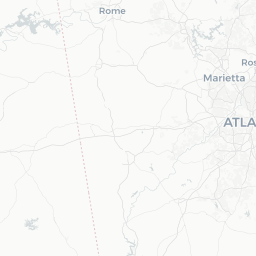
Franklin is the county seat of Heard County in west-central Georgia, situated near the Alabama border roughly 70 miles southwest of Atlanta. With a population under 1,000, it is one of Georgia's smaller county seats and retains a quiet, rural character that distinguishes it from the state's faster-growing communities.
The town sits along the Chattahoochee River corridor and is surrounded by rolling Piedmont countryside. Its pace is unhurried, and visitors who stop here typically do so as part of a broader road trip through rural Georgia or as a gateway to nearby outdoor recreation on West Point Lake.
Franklin is not a conventional tourist destination with major attractions or hotel infrastructure, but it offers an authentic glimpse of small-town Georgia life and serves as a practical base for those exploring the West Georgia region.
Before You Go
Visas
Franklin, Georgia, follows United States federal entry requirements. For visa and entry information, check TravelerPulse's Visas section and consult the U.S. Customs and Border Protection website or your nearest U.S. embassy or consulate.
What to Pack
- Summers are hot and humid; lightweight, breathable clothing is essential from June through August.
- Winters are mild but can bring cold snaps; a light-to-medium jacket is usually sufficient.
- If you plan to visit West Point Lake, bring sunscreen, water, and any fishing or boating equipment you need, as local outfitter options are limited.
- Cash is advisable for small local businesses, as card acceptance can be inconsistent at smaller establishments.
Practical Notes
- Services in town are limited. Fill up on fuel and stock up on supplies before arriving, or plan to travel to nearby Carrollton or LaGrange for a wider range of amenities.
- Cell coverage can be patchy in rural Heard County; download offline maps before you travel.
Getting There
By Car
Franklin is most practically reached by private vehicle. It lies along Georgia State Route 34, roughly 70 miles southwest of Atlanta via I-20 West and then south on US-27 or SR-100. From LaGrange (approximately 30 miles south via US-27), the drive is straightforward on rural two-lane roads.
Nearest Airports
Hartsfield-Jackson Atlanta International Airport (ATL) is the closest major airport, approximately 75–85 miles northeast depending on your route. A rental car from Atlanta is the standard approach. Smaller regional airports exist in the broader West Georgia area; verify current services locally.
By Bus
Scheduled intercity bus service directly to Franklin is not reliably available at time of writing. Verify current options with regional transit providers or services such as Greyhound serving nearby larger towns.
Getting Around
Franklin is a very small town and the downtown core is walkable on foot. However, to reach West Point Lake, surrounding rural areas, or neighboring towns, a personal vehicle is essential — there is no local public transit system.
Ride-hailing services such as Uber and Lyft may have limited availability in Heard County; do not rely on them as a primary transportation option. Plan your itinerary with a rental car or private vehicle in mind.
Things to See & Do
Heard County Historic Courthouse
Franklin's downtown is anchored by the Heard County Courthouse, a landmark of local civic life. The surrounding courthouse square gives a sense of the town's historic layout and is worth a brief walk.
West Point Lake
The most significant draw in the immediate area is West Point Lake, a U.S. Army Corps of Engineers reservoir straddling the Georgia–Alabama border a short drive from Franklin. The lake offers fishing, boating, swimming, and camping. Specific facilities, fees, and seasonal hours should be confirmed directly with the U.S. Army Corps of Engineers or verified locally before your visit.
Chattahoochee River Corridor
The broader Chattahoochee River valley around Heard County offers scenic rural driving, birdwatching, and informal access to the river at various points. This is best explored by car with a good map or offline GPS.
Local Events
Small community events occur periodically in Franklin throughout the year. Check with the Heard County Chamber of Commerce or local bulletin boards for current schedules, as a precise event calendar is best verified locally.
Food & Drink
Dining options in Franklin are limited given the town's small size. Expect a small number of casual local eateries rather than a developed restaurant scene. Southern comfort food staples — barbecue, fried chicken, and home-style sides — are the most likely offerings at local spots.
For a broader selection of restaurants and grocery stores, nearby Carrollton (approximately 30 miles north) and LaGrange (approximately 30 miles south) both offer more extensive dining options. It is advisable to plan meals accordingly, particularly if arriving late in the day, as hours for local businesses can be limited and subject to change. Verify current operating hours locally.
Practical Information
Emergency Services
Dial 911 for police, fire, or medical emergencies anywhere in the United States.
Medical Care
Franklin has limited medical facilities. For anything beyond minor needs, the nearest hospitals are in Carrollton or LaGrange; verify current facilities and hours before travel.
Connectivity
Wi-Fi availability is limited in town. Mobile data coverage exists but can be inconsistent in rural Heard County — download maps and any essential information before arriving.
Money
ATM availability in a town of this size can be limited. Carry sufficient cash for your stay. Larger ATM networks are available in Carrollton and LaGrange.
Tipping
Standard U.S. tipping conventions apply: 15–20% at sit-down restaurants is customary.
Safety
Franklin is a small, low-key rural community and does not present notable safety concerns for visitors. Standard common-sense precautions apply: secure your vehicle, be aware of your surroundings, and let someone know your itinerary if you are exploring remote rural or lakeside areas alone.
Outdoor safety is the more relevant consideration here. When visiting West Point Lake or the Chattahoochee River corridor, wear life jackets on the water, stay hydrated in summer heat, and be aware that emergency response times in rural areas can be longer than in urban settings.