Overview
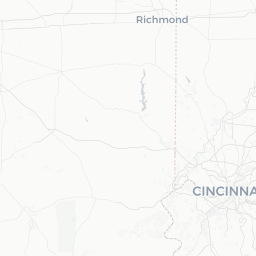
Richmond sits in the Whitewater River valley in eastern Indiana, roughly 70 miles east of Indianapolis near the Ohio state line. With a population of around 36,000, it is the county seat of Wayne County and carries a quiet, lived-in character that rewards curious visitors who look beyond the interstate.
The city earned the nickname "Rose City" from a once-thriving commercial rose-growing industry that took root in the late 19th century. That same era produced a remarkable recording legacy: Richmond's Gennett Records, operating from the 1910s through the 1930s, made some of the earliest commercial recordings of jazz, blues, and country music, documenting artists such as Louis Armstrong, Jelly Roll Morton, and Hoagy Carmichael.
Richmond is also a college town, anchored by Earlham College, a small Quaker liberal-arts institution whose campus adds a measure of intellectual energy and greenery to the city. The downtown historic district preserves a handsome collection of late-Victorian and early-20th-century commercial buildings, and the surrounding countryside offers covered bridges, farmland, and access to the Whitewater Gorge.
Before You Go
Richmond is a small Midwestern city with limited tourist infrastructure compared with larger destinations. Most attractions are spread across a walkable downtown core and a few outlying sites, so a car is helpful for a full visit.
Visas
Richmond has no special entry requirements beyond standard US immigration rules. For visa information specific to your nationality, check TravelerPulse's Visas section and consult the US Customs and Border Protection website.
Climate
- Spring (March–May): Variable; rain is common but temperatures become comfortable by May.
- Summer (June–August): Warm to hot, occasionally humid. Highs typically in the mid-80s°F (around 29°C).
- Fall (September–November): Often the most pleasant season; foliage color peaks in October.
- Winter (December–February): Cold with occasional snow. Some attractions may have reduced hours.
Pack layers in shoulder seasons and check hours for smaller museums and historic sites before you visit, as they can vary seasonally.
Getting There
By Car
Richmond lies directly on Interstate 70, making it straightforward to reach from Indianapolis (about 70 miles west) or Dayton, Ohio (about 45 miles east). US Route 40, the historic National Road, also runs through town and is a scenic alternative to the interstate.
By Bus
InterCity bus service connects Richmond to Indianapolis and other regional points. Verify current operators and schedules locally or through national bus booking platforms, as service options change.
By Air
The nearest major airports are Dayton International Airport (DAY) in Ohio and Indianapolis International Airport (IND) in Indiana. Both require a car rental or arranged ground transportation to reach Richmond. Verify current flight options and driving times before booking.
Getting Around
A personal vehicle is the most practical way to get around Richmond. The downtown core and the Whitewater Gorge Trail are walkable and bikeable, but most outlying attractions — including covered bridges in rural Wayne County — require a car.
Local transit options exist but are limited in coverage and frequency; verify current routes with the city or Wayne County transit authority before relying on them. Ride-hailing apps operate in the area but availability can be inconsistent compared with larger cities. Parking downtown is generally easy and often free or low-cost.
Things to See & Do
Gennett Records Walk of Fame and Starr-Gennett Foundation
The former Gennett Records studio site along the Whitewater River is one of the most historically significant music landmarks in the United States. A walk of fame with commemorative plaques honors the artists recorded there. The Starr-Gennett Foundation works to preserve and interpret this history — check their current programs and site access before visiting.
Whitewater Gorge Trail
A paved multi-use trail runs along the Whitewater River through a scenic gorge with exposed limestone walls and fossil beds. It connects several parks and is suitable for walking and cycling. Access points are available from the downtown area.
Earlham College Campus and Joseph Moore Museum
Earlham College's campus is attractive for a stroll. The Joseph Moore Museum, housed on campus, is a natural history museum with fossil displays, wildlife mounts, and exhibits on regional geology. Verify hours and admission before visiting.
Richmond Art Museum
Located inside the historic Richmond High School building, the Richmond Art Museum holds a permanent collection with particular strengths in American art. Verify current hours and any admission fees directly with the museum.
Wayne County Historical Museum
This museum covers regional history from Indigenous peoples through the 19th and 20th centuries, including Quaker settlement, the National Road, and local industry. It occupies a historic building on A Street and is worth a stop for those interested in local history.
Covered Bridges
Wayne County has a number of historic covered bridges in its rural areas. A driving tour map is typically available from the county visitors bureau — verify availability locally.
Food & Drink
Richmond's dining scene is modest and largely local in character. Downtown has a concentration of independent restaurants, cafes, and bars. You will find American comfort food, pizza, and Mexican restaurants well represented. A few spots near the Earlham campus cater to a younger crowd.
The city does not have a distinctive regional cuisine of its own beyond the broader Midwestern tradition of hearty, straightforward cooking. Local breweries and craft beer have gained a foothold in the area in recent years — check current options downtown, as the scene evolves.
For groceries and self-catering, standard national and regional supermarket chains operate in the city. Visitors staying more than a night will have no difficulty finding supplies.
Shopping
Antique shopping is one of Richmond's consistent draws. The city and surrounding Wayne County have a well-established antique trade, with several multi-dealer malls and independent shops. Serious collectors and casual browsers both find worthwhile stops here.
Downtown Richmond has a modest selection of independent retail — gift shops, bookstores, and specialty stores. A conventional retail strip with national chains exists on the outskirts of the city along major commercial corridors. For high-end retail, visitors typically travel to Dayton or Indianapolis.
Practical Information
- Emergency services: Dial 911 for police, fire, and medical emergencies.
- Hospital: Reid Health is the primary hospital serving the Richmond area. Verify location and services on their official website.
- Pharmacy and banking: Standard national pharmacy and bank chains operate throughout the city.
- Tipping: Standard US tipping norms apply — typically 18–20% at sit-down restaurants, a few dollars for other personal services.
- Cell coverage: Major US carriers generally provide good coverage in the city; rural county roads may have gaps.
- Timezone note: Indiana's Wayne County does not observe daylight saving time under the America/Indiana/Indianapolis zone. Confirm current time offset if coordinating with travelers coming from states that do observe DST.
Safety
Richmond is a typical small Midwestern city. Most visitor-facing areas — downtown, the Gorge Trail, and the college campus — are low-risk environments for travelers exercising ordinary awareness.
As in many mid-size American cities, some neighborhoods away from the core have higher rates of property crime. There is no specific area visitors are warned away from, but basic precautions — not leaving valuables visible in parked cars, staying aware of surroundings after dark — apply as they would anywhere.
Weather is the most consistent hazard. Severe thunderstorms and occasional tornado warnings occur in spring and summer. Monitor local weather alerts if visiting during those seasons.