Overview
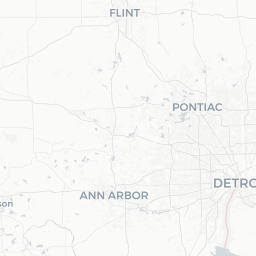
Detroit sits on the Detroit River across from Windsor, Ontario, making it one of the few US cities with a border crossing leading south into Canada. Founded in 1701 by French colonists, it grew into the engine of American manufacturing, earning the nickname "Motor City" as the birthplace of the mass-produced automobile.
Over the past two decades Detroit has undergone a widely documented revitalization. Neighborhoods such as Midtown, Corktown, and Eastern Market have attracted independent restaurants, galleries, breweries, and creative businesses, though significant economic and social challenges remain across many parts of the city — something visitors should be aware of rather than ignore.
The city's cultural contributions are outsized for its population. Motown Records launched artists including Stevie Wonder, Marvin Gaye, and Diana Ross here in the 1960s. Detroit also gave the world techno music in the 1980s, a genre now celebrated globally. The arts scene, anchored by the Detroit Institute of Arts and the Museum of Contemporary Art Detroit (MOCAD), is genuinely world-class.
Detroit is a working-class city with a gritty, authentic character. Visitors who approach it with curiosity rather than preconceptions tend to find it one of the most rewarding and underrated destinations in the American Midwest.
Before You Go
Visas & Entry
Detroit is a standard US port of entry. For visa requirements, consult TravelerPulse's Visas section and the official US Customs and Border Protection website, as rules vary significantly by nationality. Travelers arriving through Canada should also be aware of Canadian entry requirements.
Weather
Detroit has a humid continental climate. Summers (June–August) are warm to hot, with temperatures commonly reaching the high 20s°C (low–mid 80s°F). Winters are cold and snowy; January temperatures regularly drop below freezing. Spring and autumn are pleasant but variable. Pack layers for shoulder-season travel.
Health & Insurance
The United States does not have universal public healthcare. Medical costs for uninsured visitors can be very high. Comprehensive travel health insurance is strongly recommended before arrival. Verify coverage details with your provider.
Useful Apps
- The Ride / DDOT bus tracker for local transit
- Uber / Lyft widely used throughout the city
- Detroit Experience Factory for neighborhood walking maps and cultural resources
Getting There
By Air
Detroit Metropolitan Wayne County Airport (DTW) in nearby Romulus is the primary international gateway. It is a Delta Air Lines hub with extensive domestic and international connections. A smaller regional facility, Coleman A. Young International Airport (DET), handles limited general aviation and charter traffic. Verify current routes and schedules with carriers directly.
By Train
Amtrak serves Detroit via its Wolverine corridor, with service from Chicago, Ann Arbor, and other Michigan cities. The current station is at Baltimore Street in the New Center area; verify station details and schedules at amtrak.com before travel.
By Car
Detroit is well connected by interstate highways including I-75, I-94, and I-96. Downtown parking garages and surface lots are available; rates and availability vary by neighborhood. Street parking rules should be checked carefully to avoid fines.
By Bus
Flixbus, Greyhound, and other intercity bus operators serve Detroit with connections to Chicago, Cleveland, and other regional cities. Confirm current stops and schedules with each carrier.
Getting Around
Within the City
Detroit is geographically large and was built around the automobile, so having access to a car or ride-share service significantly expands what you can see. However, several key tourist areas — Midtown, Downtown, Corktown, and Eastern Market — are walkable within themselves and connected by a few transit options.
The QLine (M-1 Rail) is a streetcar line running along Woodward Avenue from downtown to New Center, passing major attractions. Fares and schedules should be verified at qlinedetroit.com. The Detroit Department of Transportation (DDOT) operates bus routes across the city; service frequency varies and is best confirmed with official route maps.
Ride-sharing apps (Uber, Lyft) are widely available and are the most practical option for trips between neighborhoods, especially at night. Taxis also operate but are less commonly hailed on the street.
Bicycle infrastructure has expanded, and bike share options exist — verify current availability through the city or local operators, as programs have changed over the years.
Things to See & Do
Arts & Culture
- Detroit Institute of Arts (DIA) — One of the premier art museums in the United States, housing Diego Rivera's famous Detroit Industry Murals and an encyclopedic collection spanning ancient to contemporary work. Admission fees apply; verify current rates on dia.org.
- Motown Museum (Hitsville U.S.A.) — The original home of Berry Gordy's Motown Records on West Grand Boulevard, preserved largely as it was in its heyday. Guided tours are available; book in advance as slots fill quickly.
- Museum of Contemporary Art Detroit (MOCAD) — Free admission, rotating exhibitions focused on contemporary and experimental work.
- Charles H. Wright Museum of African American History — One of the world's largest museums dedicated to African American history and culture.
Architecture & Neighborhoods
Detroit has exceptional art deco and beaux-arts architecture downtown. The Guardian Building, Fisher Building, and Fox Theatre are worth seeking out even from the exterior. Corktown, the city's oldest surviving neighborhood, has a distinct character with Victorian-era buildings. Eastern Market is a working public market district dating to 1891, liveliest on Saturday mornings.
Music & Nightlife
Detroit's electronic music heritage is celebrated annually at the Movement Electronic Music Festival (Memorial Day weekend at Hart Plaza). The city has a genuine live music scene across jazz, hip-hop, rock, and electronic genres. Venues and lineups change frequently — check local listings from publications such as Metro Times.
Waterfront
The Detroit Riverfront offers walking and cycling paths with views across to Windsor. Hart Plaza hosts major outdoor events throughout the warmer months. Belle Isle, an island state park in the Detroit River, has beaches, a conservatory, and an aquarium — verify current park hours and any entry requirements.
Food & Drink
Detroit has a diverse and evolving food scene shaped by its immigrant history — Polish, Middle Eastern, Mexican, Italian, and African American culinary traditions are all strongly represented.
Detroit-style pizza — rectangular, thick-crusted, and baked in steel pans with cheese spread to the edges — has gained national recognition in recent years. Several Detroit institutions are credited with originating or perfecting the style; locals have strong opinions about the best versions.
Eastern Market is the hub for fresh produce, specialty foods, and artisan vendors, particularly on Saturday mornings. The surrounding area has also become a destination for independent restaurants and coffee roasters.
Midtown and Corktown concentrate many of the city's newer independent restaurants, bars, and breweries. The city has a growing craft beer scene, with several production breweries operating taprooms. For a more local experience, neighborhoods such as Mexicantown (Vernor Highway corridor) and Hamtramck (a separate city fully enclosed by Detroit) offer authentic, affordable dining that reflects the city's ethnic diversity.
For nightlife and bar culture, local publications such as Metro Times and Eater Detroit provide current, reliable listings and reviews.
Shopping
Detroit's shopping landscape ranges from large suburban malls (mostly outside the city limits) to independent boutiques concentrated in Midtown, Corktown, and Eastern Market.
Eastern Market's Saturday market is the best single stop for local food products, vintage goods, flowers, and craft items. Several permanent retail tenants operate in the market sheds year-round.
Midtown's Cass Corridor has independent clothing, book, and record shops that reflect the city's creative community. Detroit-branded merchandise — particularly related to the auto industry, sports teams, and local music heritage — is widely available through local retailers rather than only chain stores, and buying from local shops keeps money in the community.
The New Center and Fisher Building area has vintage and antique dealers worth exploring for mid-century Americana and Detroit-specific memorabilia.
Practical Information
Electricity
Standard US current: 120V, 60Hz. Plug type A and B (flat two- and three-pin). Visitors from most of Europe, Asia, and elsewhere will need a voltage converter and/or plug adapter.
Tipping
Tipping is standard practice in US restaurants, bars, taxis, and hotels. A typical restaurant tip is 18–20% of the pre-tax bill. Skipping a tip when service has been provided is considered impolite rather than optional.
Water
Detroit's water was at the center of a major public health crisis in neighboring Flint (a separate city), which sometimes creates concern among visitors. Detroit's own municipal water system is distinct from Flint's. If in doubt, verify the current status of tap water quality with local sources or use bottled water.
Mobile & Connectivity
Major US carriers (AT&T, T-Mobile, Verizon) have coverage throughout Detroit. International visitors should check roaming rates with their home carriers or purchase a local SIM or eSIM. Free Wi-Fi is available at many cafés, hotels, and public spaces.
Safety
Detroit has historically had elevated crime statistics relative to national averages, and this is worth acknowledging plainly. Violent crime is concentrated in specific neighborhoods and is not evenly distributed across the city. The areas most frequented by visitors — Downtown, Midtown, Corktown, Eastern Market, and the Riverfront — have seen significant investment in safety infrastructure and generally feel active and well-maintained.
Standard urban precautions apply: be aware of your surroundings, avoid displaying expensive items conspicuously, use well-lit routes at night, and keep vehicle doors locked. Using ride-share rather than walking after dark in unfamiliar areas is a practical choice.
For emergencies, the US national emergency number is 911. Non-emergency police contact information can be found through the Detroit Police Department's official website.
As in any large American city, the experience of safety can vary considerably depending on the specific block or neighborhood. Locals and hotel staff are usually the best source of real-time guidance on which areas to approach with more caution.
Local Culture & Etiquette
Detroit is predominantly African American — approximately 78% of the city's population — a demographic reality shaped by the Great Migration of the early-to-mid 20th century and by subsequent decades of white flight and suburbanization. Understanding this history is important context for visiting thoughtfully. The city's cultural institutions, music, food, and creative energy are inseparable from Black Detroit.
The automotive industry remains embedded in the city's identity even as manufacturing employment has declined sharply. The North American International Auto Show, held periodically in Detroit, draws industry attention globally. Museums dedicated to automotive history — including the Henry Ford Museum in nearby Dearborn — reflect how deeply this heritage runs.
Detroit has a strong sports culture. The city has franchises in all four major North American professional sports: the Tigers (MLB), Lions (NFL), Red Wings (NHL), and Pistons (NBA). Game days bring noticeable energy downtown; check schedules if you want to catch a match or prefer to avoid crowds.
The city's immigrant communities — including large Arab American, Mexican, and Bangladeshi populations — contribute distinctly to its cultural fabric, particularly in food, commerce, and neighborhood character. Hamtramck, fully enclosed within Detroit's borders, has one of the most diverse and rapidly changing cultural profiles of any small city in the US.