Overview
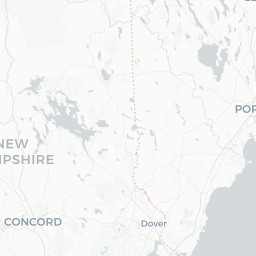
Manchester is New Hampshire's largest city, situated along the Merrimack River about 55 miles north of Boston. Its identity is deeply tied to the Amoskeag Manufacturing Company, once the world's largest textile mill complex, whose 19th-century brick mill buildings still line the riverbanks and now house apartments, restaurants, offices, and museums.
The city has undergone a steady revitalization over the past two decades. Downtown Manchester supports a walkable core of independent restaurants, craft breweries, galleries, and live music venues. The Millyard district in particular draws visitors interested in the city's industrial heritage and its reinvention as a creative economy hub.
Despite its modest size—just over 110,000 residents—Manchester punches above its weight culturally, hosting a professional hockey team, a respected art museum, and a significant primary election role that puts it on the national political map every four years. For travelers, it works well as a base for day trips into the White Mountains, Lakes Region, and seacoast, or as a quick urban stop on a broader New England itinerary.
Before You Go
Visas
Manchester is a US city, so standard US entry requirements apply. For visa information, check TravelerPulse's Visas section and the official US Customs and Border Protection website (cbp.gov) or the US Embassy or consulate in your home country.
Weather
- Spring (Mar–May): Highly variable; late snowfall is possible through April, warming by May.
- Summer (Jun–Aug): Generally pleasant, with highs typically in the mid-70s to low 80s°F. Humidity is moderate.
- Fall (Sep–Nov): Foliage peaks mid-October and is a strong reason to visit the broader region. Temperatures cool quickly by November.
- Winter (Dec–Feb): Cold, with regular snowfall. Temperatures regularly drop below freezing.
Packing
Layer clothing for spring and fall. Waterproof footwear is useful year-round. Summers are comfortable in light clothing, but pack a jacket for evenings. Winter visits require full cold-weather gear.
Getting There
By Air
Manchester–Boston Regional Airport (MHT) sits just south of the city center and is significantly less congested than Boston Logan. A limited but useful selection of major US carriers serves MHT; verify current routes and schedules on the airport's official website (flymanchester.com), as service levels change. Many travelers also use Boston Logan (BOS), roughly 55–60 miles south, for broader international connections.
By Car
Manchester is easily reached via Interstate 93, which runs north–south through the region. From Boston, the drive typically takes 60–90 minutes depending on traffic, particularly on weekday mornings and evenings. From Concord (the state capital), it's about 20 minutes south on I-93.
By Bus
Concord Coach Lines and several regional operators serve Manchester with connections to Boston, Concord, and other New England cities. Verify current schedules and stops on the operator's websites, as routes and frequencies change seasonally.
By Train
Manchester does not currently have Amtrak service. The nearest Amtrak station with meaningful connections is in Haverhill, Massachusetts or Boston's North Station, both requiring a connecting bus or car trip.
Getting Around
Manchester is a relatively compact city and downtown is walkable, but a car is helpful for reaching attractions outside the core or for day trips into the surrounding region.
MCTS Bus: The Manchester Transit Authority (MTA) operates local bus routes across the city. Verify current routes, fares, and schedules at rideMTA.info or by calling the transit authority directly.
Rideshare: Uber and Lyft both operate in Manchester and are a practical option for getting between downtown, the airport, and surrounding neighborhoods without a car.
Parking: Street parking is available downtown, and several public parking garages operate in the city center. Rates vary; verify locally. The Millyard area has surface lots near major attractions.
Cycling: Manchester has made incremental investments in bike infrastructure. The city is reasonably flat in its core, and the Merrimack River trail corridor offers a pleasant off-road option, though a comprehensive trail network is still developing.
Things to See & Do
Millyard and Industrial Heritage
The former Amoskeag mills stretch along both banks of the Merrimack and represent one of the best-preserved 19th-century industrial complexes in the United States. Walking the Millyard district is free and atmospheric. The mill buildings now hold the SEE Science Center, various businesses, and loft residences. Interpretive signage explains the site's history.
Currier Museum of Art
The Currier is the city's premier cultural institution, holding a strong permanent collection that includes works by European masters and American artists, with a particular focus on New Hampshire and New England art. The museum also offers tours of the Zimmermann House, a Frank Lloyd Wright–designed home located nearby—one of only a handful of Wright houses in New England open to the public. Verify current admission fees, hours, and tour booking requirements at currier.org.
SNHU Arena and Sporting Events
The Manchester Monarchs (ECHL hockey) play at SNHU Arena downtown. The arena also hosts concerts and family events throughout the year. Check the schedule at snhuarena.com.
Outdoor Activities
- Massabesic Lake is a short drive east of downtown and is used as a municipal reservoir; surrounding trails offer birdwatching and walking.
- Livingston Park and other city parks along the Merrimack provide access to the river corridor.
- The region's mountains, lakes, and trails are within easy driving distance for day trips.
Arts and Music
The Palace Theatre on Hanover Street is a restored 1915 venue that hosts touring productions, local performances, and film screenings. Downtown also supports small galleries and live music venues concentrated on Elm Street.
Food & Drink
Manchester's dining scene has expanded considerably in recent years. Elm Street downtown is the main commercial corridor and has the highest concentration of restaurants, bars, and cafés.
What to Expect
The city reflects its diverse immigrant heritage—particularly French-Canadian, Greek, and more recently Southeast Asian and Central American communities—in its food options. You'll find everything from traditional diners to craft breweries and farm-to-table spots. New Hampshire has no sales tax, which modestly reduces the cost of dining out compared to neighboring states.
Craft Beer
Manchester has a healthy craft beer scene with several breweries operating taprooms in the downtown and Millyard area. Verify current operating hours locally, as smaller taprooms adjust schedules frequently.
Practical Notes
- Restaurants in smaller New Hampshire cities can have limited hours mid-week; it's worth calling ahead or checking current hours on Google Maps.
- Tipping 18–20% is standard practice for table service.
- The legal drinking age in the US is 21; valid photo ID is required.
Practical Information
Emergency Services
Dial 911 for police, fire, or medical emergencies anywhere in the United States.
Sales Tax
New Hampshire has no state sales tax, making shopping and dining slightly less expensive than in neighboring Massachusetts, Vermont, or Maine.
Connectivity
Free Wi-Fi is available in many cafés, hotels, and public spaces. Cell coverage from major US carriers (Verizon, AT&T, T-Mobile) is reliable throughout the city.
Health
CVS and Walgreens pharmacies operate locations in the city. Manchester has several urgent care clinics and Elliot Hospital for more serious medical needs. Verify locations and hours locally.
Currency and Payments
Credit and debit cards are accepted almost universally. ATMs are widely available. Cash is rarely necessary but useful for small vendors and some markets.
Safety
Manchester is a mid-sized American city with the range of urban conditions that implies. Downtown and the Millyard district are generally safe during the day and evening, particularly around restaurant and entertainment areas on Elm Street.
As with any city, exercise ordinary awareness in less-trafficked neighborhoods, especially at night. The city, like much of New England, has experienced challenges related to opioid addiction, and visible signs of this may be present in some areas. This is a social health issue rather than a direct threat to visitors, but travelers should be aware.
Check current local advisories if you have concerns, and consult the Manchester Police Department's public communications for up-to-date information.