Translate
Overview
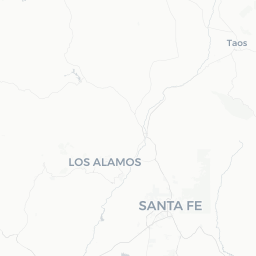
Santa Fe sits at roughly 7,000 feet (2,134 m) elevation in the Sangre de Cristo foothills of northern New Mexico. Founded around 1610, it is the oldest continuously occupied state capital in the United States and among the oldest European-established cities in North America. Three major cultural traditions — Indigenous Pueblo, Spanish Colonial, and Anglo-American — have shaped its architecture, food, and art in ways that are visible on every street corner.
The city is small by most urban standards (population under 90,000), which means the historic Plaza district and most major attractions are walkable. Despite its size, Santa Fe ranks as one of the country's leading art markets, with Canyon Road alone hosting dozens of galleries. It also draws culinary travelers for its distinctive New Mexican cuisine, built around native chiles, corn, and beans.
The surrounding landscape adds an outdoor dimension: ski runs at Ski Santa Fe are accessible within about 30 minutes of downtown, and hiking trails in the Santa Fe National Forest begin very close to the city. The high-desert climate means warm summers, cold winters, and a brief but dramatic monsoon season in July and August.
Before You Go
Visas and Entry
Santa Fe is in the United States. Entry requirements vary significantly by nationality. Check TravelerPulse's Visas section for general guidance and verify current requirements with the US Department of Homeland Security (dhs.gov) or your nearest US embassy or consulate.
Altitude Awareness
At approximately 7,000 feet, altitude can affect visitors arriving from lower elevations. Common symptoms include headaches, fatigue, and shortness of breath, typically lasting one to two days. Stay well-hydrated, limit alcohol on your first day, and ease into physical activity. Those with heart or respiratory conditions should consult a physician before visiting.
Climate Packing
- Spring (April–May): Temperatures swing widely; layer clothing. Afternoon wind is common.
- Summer (June–August): Warm days (often 80s°F / high 20s°C), cool nights, and afternoon thunderstorms from mid-July onward. A light rain layer is useful.
- Autumn (September–October): Often the most pleasant season — clear skies, mild days, cool evenings. Aspens turn gold in the mountains.
- Winter (November–March): Cold, with occasional snow. Daytime highs can be in the 40s°F (4–9°C). Ski season typically runs December through early April (verify with Ski Santa Fe).
Health and Water
Tap water in Santa Fe is generally safe to drink. Sunscreen and sun protection are essential year-round given the elevation and high-desert sun intensity.
Getting There
By Air
Santa Fe Municipal Airport (SAF) receives limited commercial service; verify current carriers and routes before booking, as the schedule changes. Most travelers fly into Albuquerque International Sunport (ABQ), approximately 60 miles (97 km) south, which has far broader domestic and some international connections. Ground transport between Albuquerque and Santa Fe includes the New Mexico Rail Runner Express commuter train (check nmrailrunner.com for current schedules and fares), shuttle services, and rental cars.
By Road
Interstate 25 connects Santa Fe to Albuquerque to the south and to Colorado to the north. The drive from Albuquerque takes roughly one hour under normal conditions. US Route 285 and NM-68 (the High Road or Low Road to Taos) offer scenic alternatives worth considering if you are building a northern New Mexico road trip.
By Rail
Amtrak's Southwest Chief stops in Lamy, New Mexico, about 17 miles (27 km) southeast of Santa Fe. Amtrak does not serve Santa Fe directly; travelers must arrange onward ground transport from Lamy. Verify current schedules and connecting options at amtrak.com.
Getting Around
On Foot
The historic downtown — including the Plaza, Palace of the Governors, Cathedral Basilica, and the start of Canyon Road — is compact and walkable. Many visitors find they need no vehicle at all for the first day or two if they are staying centrally.
Santa Fe Pick-Up (Local Shuttle)
The city operates a free shuttle service (the Santa Fe Pick-Up) with routes connecting downtown, the Railyard district, Canyon Road, and other points. Verify current routes and operating hours with the City of Santa Fe (santafenm.gov) as schedules are subject to change.
By Car or Ride-Share
A car is useful for reaching Ski Santa Fe, outlying Pueblo communities, state monuments, and day trips to Taos or Bandelier. Ride-share apps (Uber, Lyft) operate in Santa Fe; availability can be limited compared with larger cities, so plan accordingly. Parking downtown can be tight during peak season and major events.
Cycling
Santa Fe has a growing network of bike lanes and multi-use paths, though the hilly terrain and elevation can make cycling demanding. Bike rentals are available locally; verify current providers on arrival.
Where to Stay
Santa Fe's lodging ranges from large historic hotels on or near the Plaza to small inns, bed-and-breakfasts, and vacation rentals. Adobe-style architecture is common even in newer properties. The Inn of the Governors, La Fonda on the Plaza, and the Eldorado Hotel are frequently mentioned historic and centrally located options — verify current rates and availability directly, as pricing varies considerably by season and event periods.
Rates rise significantly during Indian Market (August), Spanish Market, the opera season, and major holiday weekends. Booking several months in advance is advisable for these periods. Shoulder seasons (spring and late autumn, excluding Thanksgiving) generally offer better availability and pricing.
Vacation rentals (through platforms such as Airbnb and VRBO) are plentiful and can be a practical option for longer stays or groups. The Railyard neighborhood and the historic Eastside (near Canyon Road) are popular bases for visitors who want walkable access to galleries and restaurants.
Things to See & Do
History and Culture
- The Plaza: The historic center of Santa Fe, surrounded by the Palace of the Governors (the oldest public building in continuous use in the US), shops, and galleries. The Palace houses exhibits operated by the New Mexico History Museum.
- New Mexico Museum of Art: Located on the Plaza, with a collection spanning 20th-century and contemporary Southwestern art.
- Museum of International Folk Art: One of the largest folk art collections in the world, on Museum Hill southeast of downtown.
- Wheelwright Museum of the American Indian: Also on Museum Hill, focused on Native American art with an emphasis on Navajo weavings and contemporary Indigenous work.
- Georgia O'Keeffe Museum: Dedicated to one of the most influential American artists of the 20th century, who spent decades in northern New Mexico.
- Cathedral Basilica of Saint Francis of Assisi: A striking Romanesque Revival church built in the 1860s–1880s, near the Plaza.
- Loretto Chapel: Known for its spiral staircase; privately operated, admission charged — verify current fees and hours locally.
Art Galleries
Canyon Road is the city's primary gallery district, with over 80 galleries concentrated along about a mile of a narrow, historic road. The First Friday Artwalk (verify current schedule) draws large crowds. The Railyard Arts District around SITE Santa Fe offers a more contemporary counterpoint.
Outdoor Activities
- Ski Santa Fe: About 16 miles (26 km) northeast of downtown via NM-475; typically open December through early April, snow conditions permitting. Verify hours and lift ticket prices at skisantafe.com.
- Hiking: Hyde Memorial State Park and the Santa Fe National Forest begin close to town. The Atalaya Mountain Trail and Aspen Vista Trail are popular; access points are reachable by car.
- Santa Fe Botanical Garden: Located in the Railyard district; verify current admission and hours at santafebotanicalgarden.org.
Events
- Santa Fe Indian Market: Held annually in August, sponsored by the Southwestern Association for Indian Arts (SWAIA). One of the premier Indigenous art markets in North America.
- Spanish Market: Held on the Plaza in July and December, celebrating traditional Spanish Colonial arts.
- Santa Fe Opera: An internationally regarded opera company performing in an open-air venue north of the city, typically June through August. Verify the season program at santafeopera.org.
- Zozobra: "Old Man Gloom" burning, held in early September as part of Fiesta de Santa Fe — a long-standing community tradition.
Food & Drink
New Mexican Cuisine
Santa Fe is the center of New Mexican cuisine, which is distinct from Tex-Mex and from Mexican regional cooking. The defining element is the New Mexico chile pepper — most commonly red (dried, ripened) or green (fresh or roasted, often Hatch or Pueblo varieties). When ordering, staff will often ask "red or green?"; answering "Christmas" gets you both. Staple dishes include enchiladas, tamales, posole (hominy stew), and sopapillas (fried pastry often served with honey).
Where to Eat
Restaurants cluster around the Plaza, on Canyon Road, and in the Railyard district. The city has a broad range of price points, from counter-service New Mexican spots to nationally recognized fine-dining restaurants. Reservations are recommended for popular dinner spots, especially on weekends and during festival seasons. Menus and hours shift frequently; check current information directly with restaurants.
Farmers Markets
The Santa Fe Farmers Market, held at the Railyard, is one of the more active farmers markets in the Southwest. It typically runs multiple days per week during warmer months; verify the current schedule at santafefarmersmarket.com.
Drinks
New Mexico has a growing wine industry centered in the Rio Grande Valley; local wines appear on many menus. The craft beer scene is present but modest for a city of this size. Note that New Mexico has specific liquor laws — Sunday sales and hours can differ from other states; verify locally.
Shopping
Santa Fe is one of the stronger retail destinations in the Mountain West, particularly for art, jewelry, and crafts. Under the portal (covered sidewalk) of the Palace of the Governors, Native American artisans — predominantly from New Mexico Pueblos — sell handmade jewelry and pottery directly. This market is juried and regulated; items sold here are authentic, handmade works. Buyers should ask artists about their work directly.
Canyon Road and the surrounding streets contain galleries selling painting, sculpture, ceramics, and photography across a wide price range. The Railyard district has a more contemporary and design-forward shopping environment. The downtown core also has a concentration of boutiques selling Southwest-influenced clothing, home goods, and chile products.
For everyday needs, chain grocery stores and pharmacies are located in the commercial corridors west and south of downtown, away from the historic center.
Practical Information
Emergency Services
In the United States, dial 911 for police, fire, or medical emergencies.
Hospitals and Medical Care
Christus St. Vincent Regional Medical Center is the main hospital serving the Santa Fe area. For non-emergency care, urgent care clinics are available around the city — verify current locations and hours locally.
Money
ATMs are widely available throughout the city. Credit and debit cards are accepted almost universally. Tipping is customary in the US: 18–20% at sit-down restaurants, $1–2 per drink at bars, and similar amounts for other service workers are conventional norms.
Connectivity
Wi-Fi is available at most hotels, many cafés, and the Santa Fe Public Library. Cellular coverage is generally good in the city but can be sparse in the mountains and on rural roads outside town.
Accessibility
The historic downtown has uneven terrain, cobblestones, and narrow sidewalks in places that can be challenging for mobility devices. The city has made improvements in accessibility in recent years; contact specific venues ahead of time to confirm accommodations.
Time Zone
Mountain Time (MT). New Mexico observes daylight saving time, so the offset from UTC shifts between −6 and −7 hours seasonally.
Safety
Santa Fe is generally a safe destination for travelers by US standards, though it is not without challenges. Property crime rates have been a concern in parts of the city; standard precautions — not leaving valuables visible in parked cars, being aware of surroundings at night — apply.
The historic downtown and major tourist corridors are well-trafficked and generally feel secure during the day and into the evening. As with any city, situational awareness is sensible in quieter areas late at night.
Outdoor safety is worth taking seriously: the elevation, intense sun, and rapidly changing mountain weather (particularly afternoon thunderstorms in summer) can catch visitors off guard. Carry water on any hike — even short ones — use sunscreen, and check weather conditions before heading into the mountains. Lightning risk in open terrain during afternoon storms is real.
For current local conditions or concerns, the Santa Fe Police Department can be contacted through non-emergency lines (verify the number locally).
Local Culture & Etiquette
Santa Fe's cultural character is inseparable from the three communities whose histories intersect here. The Pueblo peoples of New Mexico — including Tesuque, Pojoaque, Nambé, San Ildefonso, Santa Clara, and others nearby — have continuous cultural and political presence in the region. Visitors should approach Pueblo communities with respect: many have specific rules about photography, access to ceremonial areas, and appropriate behavior. When visiting Pueblo lands, follow posted guidelines and ask if uncertain. Purchasing art directly from Native artists and asking about the work is both appropriate and encouraged.
Santa Fe observes a distinctive aesthetic code: a city ordinance preserves the Pueblo Revival and Territorial architectural styles throughout the historic district, which is why the built environment looks remarkably consistent even where buildings are new. This is not an accident but an active policy decision.
Religion is woven into daily life in ways that may be more visible than in many US cities — Catholic feast days, Pueblo ceremonial dances (some open to the public, some not), and other observances appear on the community calendar. If you happen to be present during a Pueblo feast day or dance, observe quietly and respectfully, follow all photography guidelines, and do not enter spaces marked as off-limits.