Translate


Overview
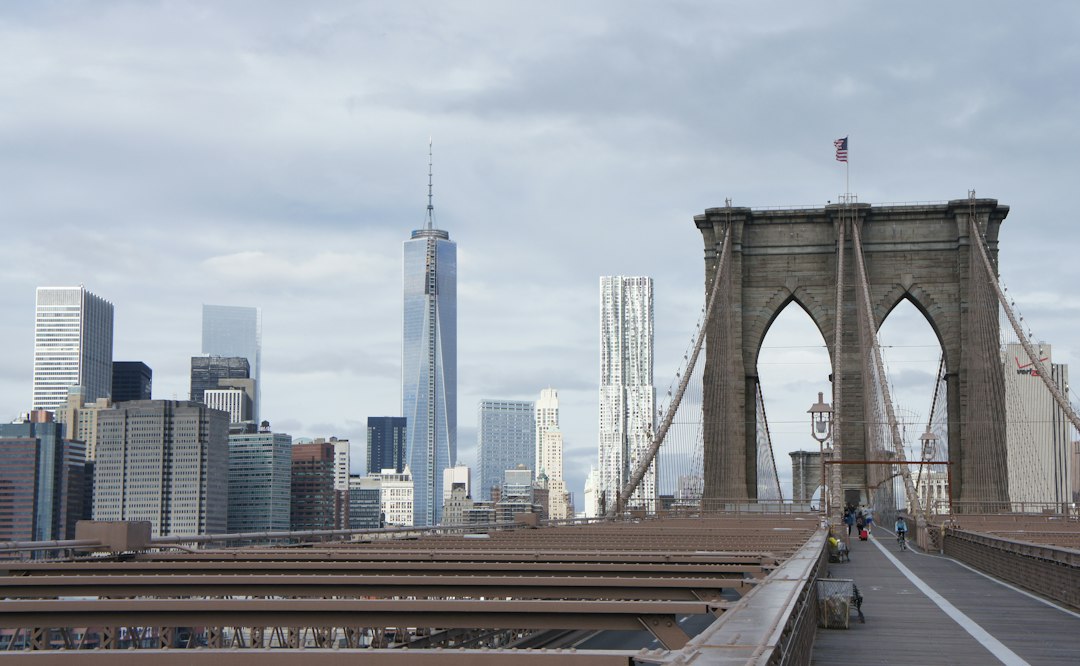
Brooklyn Heights occupies a bluff above the East River directly across from Lower Manhattan, making it one of the most scenically positioned neighborhoods in New York City. Settled by Dutch colonists in the 17th century and later developed by wealthy merchants who commuted to Manhattan by ferry, it became the first designated historic district in New York City in 1965 — a status that has preserved its largely intact stock of Federal, Greek Revival, Italianate, and Romanesque Revival rowhouses.
Despite sitting just minutes from Midtown by subway, Brooklyn Heights retains a genuinely residential character. Tree-lined streets, independent cafés, and a relatively quiet pace distinguish it from noisier parts of the city. It draws visitors primarily for its architecture, its promenade, and its proximity to Brooklyn Bridge Park, but those who linger discover a neighborhood with real depth — good restaurants, independent bookshops, and a long literary and cultural history.
At roughly 20,000 residents, Brooklyn Heights is compact enough to explore on foot in a half-day, though its connections to adjacent neighborhoods — DUMBO, Cobble Hill, Downtown Brooklyn — make it a practical base for a longer Brooklyn itinerary.
Before You Go
Visas
Entry requirements for the United States vary significantly depending on your nationality and travel history. For accurate, up-to-date information, check TravelerPulse's Visas section and the official U.S. Customs and Border Protection website (cbp.gov) or the U.S. Embassy in your country.
What to Pack
- Comfortable walking shoes — the neighborhood's brick sidewalks and sloped streets reward walkers but can be uneven.
- Layers are advisable year-round; sea breezes from the East River can make the Promenade cooler than inland areas, even in summer.
- A reusable water bag or bottle; public water fountains are available in Brooklyn Bridge Park.
Money
Brooklyn Heights is a cash-optional neighborhood for most purposes — credit and debit cards are widely accepted at restaurants, cafés, and shops. However, carrying a small amount of cash is useful for farmers' markets, tips, or smaller vendors. Verify ATM locations and any associated fees with your bank before travel.
Getting There
From Manhattan
The most direct and practical option is the New York City Subway. The 2/3 lines stop at Clark Street, which is the closest station to the Promenade and the heart of the historic district. The A/C lines stop at High Street–Brooklyn Bridge, useful for accessing the southern end of the neighborhood and DUMBO. Journey time from Fulton Street (Manhattan) is typically under 10 minutes. Verify current fares and service on the MTA website (mta.info).
The NYC Ferry operates a route with a stop at Fulton Ferry Landing in adjacent DUMBO, offering a scenic crossing from various Manhattan piers. Check the NYC Ferry website for current schedules and fares, as these change seasonally.
Walking across the Brooklyn Bridge is a popular option for visitors already in Lower Manhattan — the pedestrian and cycling path is free to use and deposits you near DUMBO, a short walk north of Brooklyn Heights.
By Taxi or Rideshare
Taxis and rideshare services (Uber, Lyft) serve Brooklyn Heights and are straightforward from Manhattan or the major airports. Journey times from JFK, LaGuardia, or Newark airports vary considerably with traffic; verify estimated times and current fares in the relevant app before travel.
Getting Around
Brooklyn Heights is best explored on foot. The neighborhood is compact — its core historic streets can be walked end-to-end in well under an hour — and most points of interest are within a comfortable walking distance of each other.
For trips to adjacent neighborhoods, the subway stations mentioned above connect easily to DUMBO, Downtown Brooklyn, and beyond. The NYC Ferry landing at Fulton Ferry is a short walk downhill through Brooklyn Bridge Park. Citi Bike docking stations are present in and around the neighborhood; verify current station locations at citibikenyc.com before relying on them for a specific route.
Note that the bluff means there is a noticeable elevation change between the Promenade/main streets and the waterfront park below — this involves stairs or a sloped path and may be a consideration for visitors with mobility needs.
Things to See & Do
Brooklyn Heights Promenade
The Promenade (officially the Esplanade) is a pedestrian walkway cantilevered above the Brooklyn-Queens Expressway, running roughly a third of a mile along the bluff. It offers unobstructed views of Lower Manhattan, the Brooklyn Bridge, and Upper New York Bay. It is one of the most photographed vantage points in the city and is particularly striking at dusk. Entry is free and it is accessible at multiple points along Columbia Heights.
Historic District Architecture
Wandering the streets of the historic district — particularly Willow Street, Pierrepont Street, Remsen Street, and Cranberry Street — is an activity in itself. The neighborhood contains one of the largest concentrations of pre–Civil War architecture in the United States. Notable buildings are marked with plaques; the Brooklyn Heights Association website and the New York City Landmarks Preservation Commission site (nyc.gov/landmarks) have additional information for those who want a self-guided architectural walk.
Brooklyn Bridge Park
Directly below Brooklyn Heights, this 85-acre waterfront park stretches along the East River and includes lawns, sports facilities, a carousel (Jane's Carousel, verify opening status locally), playgrounds, and seasonal programming. It connects Brooklyn Heights to DUMBO to the north and extends south toward Red Hook. Entry to the park itself is free.
Plymouth Church
Plymouth Church on Orange Street is a National Historic Landmark. It was the pulpit of abolitionist minister Henry Ward Beecher and served as a stop on the Underground Railroad. The church offers public tours; verify current tour availability and any associated donations or fees directly with the church.
Literary and Cultural History
Brooklyn Heights has a notable literary past — Walt Whitman, Hart Crane, Truman Capote, Norman Mailer, and Arthur Miller all lived or worked here at various points. A self-guided walk following their former addresses is a worthwhile pursuit for culturally inclined visitors.
Food & Drink
Brooklyn Heights has a solid but not overwhelming dining scene that skews toward neighborhood restaurants rather than destination spots drawing citywide attention. The main commercial corridors are Montague Street and, to a lesser extent, the streets leading toward Atlantic Avenue on the southern edge.
Montague Street offers a mix of casual dining, pizza, and international options. For a broader and more varied selection, the nearby Atlantic Avenue corridor (shared with Cobble Hill) has long had a concentration of Middle Eastern grocers, bakeries, and restaurants, reflecting a community that has been present in the area for generations.
For coffee and casual daytime stops, independent cafés are scattered throughout the neighborhood. The Brooklyn Heights branch of the Brooklyn Public Library area and the streets around Court Street provide additional options within easy walking distance.
Verify current hours and reservation requirements for any specific restaurant before visiting, as these change frequently in New York City.
Shopping
Brooklyn Heights is not a major shopping destination, but it has a handful of independent businesses worth noting. Montague Street has bookshops, small boutiques, and everyday retail serving the local residential community.
BookCourt was for many years a beloved independent bookshop in the area; verify the current landscape of independent booksellers locally, as the retail environment in the neighborhood has shifted in recent years.
For specialty food, the Middle Eastern grocers and specialty food shops along Atlantic Avenue near the Cobble Hill border stock items not easily found in mainstream supermarkets. A farmers' market operates in the neighborhood seasonally — check GrowNYC (grownyc.org) for current schedule and location.
Practical Information
Emergency Services
In any emergency in the United States, call 911 for police, fire, or medical assistance.
Connectivity
Free public Wi-Fi (LinkNYC) is available at kiosks on various street corners throughout Brooklyn. Most cafés and restaurants offer Wi-Fi for customers.
Restrooms
Public restrooms are available within Brooklyn Bridge Park. Many cafés expect a purchase in exchange for restroom use.
Accessibility
The neighborhood's historic character means sidewalks can be uneven (brick and bluestone) and some buildings are not accessible. Brooklyn Bridge Park has accessible paths along the waterfront. The subway stations serving the neighborhood — verify current elevator availability at mta.info, as elevator outages are common in the NYC system.
Useful Resources
- MTA trip planner: mta.info
- Brooklyn Bridge Park: brooklynbridgepark.org
- NYC Landmarks Preservation Commission: nyc.gov/landmarks
- Brooklyn Heights Association: brooklynheightsassociation.org
Safety
Brooklyn Heights is considered one of the safer residential neighborhoods in New York City, with a generally low incidence of street crime relative to the city as a whole. Standard urban precautions apply: be aware of your surroundings, keep valuables out of sight, and avoid displaying expensive items unnecessarily.
The Promenade and Brooklyn Bridge Park are busy during daylight and early evening hours, which contributes to a safe atmosphere. As with any urban park, exercising additional awareness after dark is reasonable.
For the most current safety information, consult the NYPD's precinct crime statistics (nyc.gov/nypd) for the 84th Precinct, which covers this area.