번역
Overview
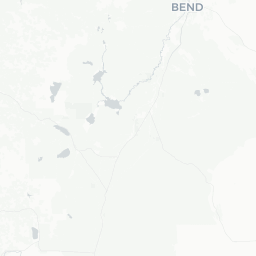
Bend sits on the eastern slope of the Cascade Range in central Oregon, straddling the Deschutes River at roughly 3,600 feet elevation. It is a small city—population around 87,000—that punches well above its weight as an outdoor-recreation hub, attracting hikers, mountain bikers, skiers, fly fishers, and rock climbers from across the Pacific Northwest and beyond.
The city grew quickly from a timber town into one of Oregon's most visited destinations, driven in large part by its proximity to Mt. Bachelor, the Deschutes National Forest, Smith Rock State Park, and a string of high-desert lakes and rivers. That growth has also produced a lively downtown with a well-regarded craft-brewing scene, independent restaurants, and a walkable core along the Deschutes River.
Bend's climate is defined by the rain shadow effect of the Cascades: more than 250 days of sunshine per year, low humidity, and dramatic seasonal swings. Summers are warm and relatively dry; winters bring reliable snow to higher elevations while the city floor stays mostly clear. This makes Bend genuinely four-season, though the shoulder months of May and October can bring unpredictable weather.
Before You Go
Visas and Entry
Bend is in the United States. Entry requirements depend on your nationality and travel history. Check TravelerPulse's Visas section and the official U.S. Customs and Border Protection website (cbp.gov) for current requirements before booking.
When to Go
- Summer (June–September): Peak season. Warm days, minimal rain, all outdoor activities available. Book accommodation well in advance, especially for summer weekends.
- Winter (December–March): Mt. Bachelor typically opens in late November or December. The city itself sees little snow, but highway conditions to the mountain can change rapidly—carry chains or have all-wheel/four-wheel drive.
- Spring and Fall: Quieter, cooler, and often good value. Wildflower season along the trails peaks in May–June. Fall brings golden light and fewer crowds.
What to Pack
- Layering is essential year-round; temperatures can swing 30–40°F between morning and afternoon in summer.
- Sun protection (sunscreen, sunglasses, hat) is important even in cooler months at altitude.
- Sturdy hiking footwear if you plan to visit Smith Rock or the Cascade trails.
- Winter drivers should verify Oregon chain requirements before heading to Mt. Bachelor.
Getting There
By Air
Roberts Field–Redmond Municipal Airport (RDM) serves the Bend/Redmond area and is located roughly 15–18 miles north of downtown Bend. It offers scheduled service from several major West Coast hubs including Seattle, Portland, San Francisco, Los Angeles, and Denver, among others. Verify current carriers and routes on the airport's official site, as service changes seasonally.
By Car
Driving is the most common way to reach Bend. US-97 is the primary north–south corridor connecting Bend to Portland (roughly 3 hours north) and Klamath Falls to the south. US-20 provides access from the Willamette Valley to the west and Idaho to the east. Passes over the Cascades (notably Highway 20 through Santiam Pass and Highway 126 through McKenzie Pass) can close in winter; check ODOT TripCheck for current road conditions.
By Bus
Cascades East Transit (CET) operates regional bus service connecting Bend to other communities in central Oregon. Intercity bus options (including some Greyhound-affiliated routes) connect Bend to Portland and other Oregon cities; verify current schedules directly with carriers.
Getting Around
A personal vehicle or rental car is the most practical way to get around Bend and reach surrounding attractions like Smith Rock, Mt. Bachelor, and the Cascade Lakes. Parking in downtown Bend is generally available but can fill on summer weekends.
Cascades East Transit (CET) operates local bus routes within Bend and a seasonal Mt. Bachelor Village connector. Check CET's official site for current routes, fares, and schedules.
Bend is reasonably bikeable by Pacific Northwest small-city standards. The Deschutes River Trail is a paved multi-use path that runs through the heart of the city, and the Westside and Eastside trail networks offer more extensive off-road riding. Bike rentals are available from several local shops—verify current operators locally.
Rideshare services (Uber, Lyft) operate in Bend but driver availability can be limited late at night or during major events. Taxis exist but are less common than in larger cities.
Where to Stay
Bend's accommodation options range from national chain hotels along the US-97 corridor to boutique properties in and around downtown, vacation rentals, and camping and glamping options in the surrounding national forest and state parks. The downtown and Old Mill District areas put you within walking distance of restaurants, breweries, and the Deschutes River Trail.
Demand is high during summer weekends, holiday ski weeks, and major local events (including the Bend Brewfest and the Pole Pedal Paddle race). Booking several weeks or months in advance is advisable for those periods. Rates and availability shift considerably by season.
For travelers who prefer camping, the Deschutes National Forest and surrounding state parks offer numerous developed and dispersed camping options. Reservations at popular campgrounds such as those along the Cascade Lakes Highway fill quickly and are typically made through Recreation.gov; verify current reservation windows well in advance.
Things to See & Do
Smith Rock State Park
Smith Rock, roughly 25 miles north of Bend, is among the most recognized rock-climbing destinations in North America and offers hiking for all ability levels. The Misery Ridge loop is a popular moderate trail with sweeping views of the Crooked River gorge and the volcanic peaks of the Cascades. A day-use fee applies; verify current fees and hours at the Oregon State Parks website.
Mt. Bachelor
Sitting approximately 22 miles southwest of Bend on the Cascades Scenic Byway, Mt. Bachelor is a dormant volcano with one of the highest base elevations of any ski resort in the Pacific Northwest. In summer the mountain pivots to mountain biking, hiking, and sightseeing via the Pine Marten Express lift. Verify seasonal operations and lift-ticket pricing directly with Mt. Bachelor.
Cascade Lakes National Scenic Byway
This paved loop west of Bend passes a succession of volcanic lakes—including Elk Lake, Hosmer Lake, Sparks Lake, and Cultus Lake—against a backdrop of Cascade peaks. It is popular for kayaking, fly fishing, swimming, and camping. The upper portions of the byway are typically open only from late spring through fall due to snow.
Deschutes River Trail
The paved trail along the Deschutes River through Bend connects several city parks and is a good option for an easy walk, jog, or bike ride within the city. The stretch through Drake and Farewell Bend parks is particularly pleasant.
High Desert Museum
Located a few miles south of downtown on US-97, the High Desert Museum is an indoor-outdoor institution focused on the natural and cultural history of the intermountain West. It houses live animals (including raptors and otters), rotating exhibits, and living-history demonstrations. Verify current hours and admission fees on their official site.
Lava Lands and Newberry National Volcanic Monument
The Newberry National Volcanic Monument, managed by the U.S. Forest Service, encompasses lava tubes (Lava River Cave), lava flows (Lava Cast Forest), and the caldera lakes and obsidian fields of Newberry Volcano. These sites are a short drive south of Bend and offer a distinctive high-desert volcanic landscape unlike almost anywhere else in the Lower 48.
Food & Drink
Bend has built a reputation as one of the more concentrated craft-beer cities in the United States relative to its population. Deschutes Brewery, founded in 1988, is the city's best-known producer and operates a large brewpub on Bond Street in downtown; Mirror Pond Pale Ale and Black Butte Porter are flagship beers widely associated with the region. Beyond Deschutes, dozens of smaller breweries and taprooms operate throughout the city—a self-guided walking tour of downtown and the Old Mill District can take in several in an afternoon.
The restaurant scene has grown substantially over the past decade and now includes everything from straightforward Pacific Northwest comfort food to more ambitious farm-to-table menus. Several spots source ingredients from central Oregon's agricultural corridor. The Old Mill District and the downtown core (particularly along Wall Street and Bond Street) have the highest concentration of dining options.
Coffee culture is strong in Bend, as it is across Oregon generally. Multiple locally rooted roasters operate cafés in town. Outdoor and après-ski crowds also support a lively cocktail-bar scene, particularly on winter weekends.
Practical Information
Emergency Services
Call 911 for police, fire, or medical emergencies in the United States.
Health
No unusual health precautions are required for Bend beyond standard U.S. travel considerations. The altitude (roughly 3,600 feet in the city, higher on trails) can affect some visitors, particularly those coming from sea level. Wildfire smoke is an increasing concern during summer; air quality can change quickly, and apps such as AirNow (airnow.gov) provide real-time readings.
Connectivity and Money
Major U.S. carriers provide solid coverage in the city. Coverage can drop significantly on forest roads and trails west of Bend—download offline maps before heading out. ATMs and major credit cards are widely accepted. Oregon has no state sales tax.
Tipping
Standard U.S. tipping norms apply: 18–20% at sit-down restaurants, $1–2 per drink at bars, and customary amounts for other services.
Wildlife and Trail Safety
Central Oregon is home to black bears, rattlesnakes (primarily at lower desert elevations like Smith Rock), and other wildlife. Trail users should carry sufficient water—the high-desert environment is dehydrating. Inform someone of your plans when hiking into remote areas.
Safety
Bend is generally considered a safe city for travelers. Standard urban precautions apply—be aware of your surroundings in parking areas and on the Deschutes River Trail late at night.
The primary safety considerations in Bend relate to outdoor activities rather than urban crime. Flash flooding can occur on desert trails after summer thunderstorms. Winter road conditions on mountain passes can deteriorate very quickly; always check ODOT TripCheck (tripcheck.com) before driving over the Cascades. Forest roads to trailheads are sometimes unpaved and may require higher-clearance vehicles.
Wildfires are a real seasonal hazard in central Oregon. During summer and early fall, check current fire restrictions with the Deschutes National Forest before camping or using campfires. Some trails and areas close temporarily due to active fires or post-fire hazard conditions.