Translate


Overview
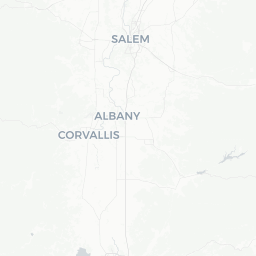
Newport is a small working coastal city of roughly 10,000 people situated on Yaquina Bay along the central Oregon Coast, about 60 miles west of Corvallis and 115 miles southwest of Portland. It serves as the seat of Lincoln County and one of the busiest commercial fishing ports on the Pacific Northwest coast.
The city divides naturally into distinct neighborhoods. The historic Bayfront along the harbor is lined with seafood restaurants, charter fishing companies, sea lion haul-outs, and souvenir shops. A few blocks inland sits the older Nye Beach district, a quieter arts-and-boutique area that was a fashionable resort destination in the early 20th century. The broader city includes residential areas, a thriving marine research community anchored by Oregon State University's Hatfield Marine Science Center, and the Oregon Coast Aquarium, one of the most visited attractions in the state.
Newport's economy rests on commercial fishing, tourism, and marine science. Dungeness crab and albacore tuna are particularly associated with the port. The combination of a genuine working waterfront, accessible marine science institutions, and dramatic coastal scenery gives the city a character that is both utilitarian and genuinely interesting for visitors.
Before You Go
Visas and Entry
Newport is a city within the United States. For entry requirements and visa information, check TravelerPulse's Visas section and the official US Citizenship and Immigration Services website (uscis.gov) or the US Department of State travel portal.
Weather
The Oregon Coast has a cool, marine climate. Summers (July–September) are the driest and mildest, with daytime temperatures commonly in the mid-50s to low 70s°F (roughly 13–22°C). Fog is frequent in the morning even in summer. Fall and winter bring persistent rain, wind, and occasional storms. Spring is transitional and can be rewarding for fewer crowds, but pack layers and rain gear regardless of season.
Packing Tips
- A waterproof jacket is essential at any time of year
- Layering is more useful than heavy single garments
- Comfortable walking shoes that can handle wet sand and uneven bayfront surfaces
- Binoculars are worthwhile for whale watching and birdwatching
Practical Timing
Summer is peak season; accommodation fills quickly on weekends and holidays. If traveling in July or August, book lodging well in advance. The shoulder seasons of late spring and early fall offer fewer crowds and moderate prices, while still providing reasonable chances of dry days.
Getting There
Newport has no commercial air service. The nearest regional airports with scheduled flights are Eugene Airport (EUG), roughly 65 miles to the southeast, and Portland International Airport (PDX), approximately 120 miles to the northeast. Salem Municipal Airport is another option at roughly 80 miles. Most visitors rent a car at these airports, as Newport and the surrounding coast are not easily navigated without one.
By road, US Highway 101 (the Pacific Coast Highway) runs directly through Newport north to south and connects it to the rest of the Oregon Coast. US Highway 20 is the primary route connecting Newport eastward to Corvallis and the Willamette Valley, and onward to Interstate 5. Travel times vary significantly with traffic and weather; the mountain passes on Highway 20 can be affected by winter conditions.
Limited intercity bus service connects Newport to the broader region via the Lincoln County Transit system and connections to other carriers. Verify current routes and schedules directly with Lincoln County Transit before traveling, as rural Oregon transit services are subject to change.
Getting Around
A personal vehicle is the most practical way to get around Newport and explore the surrounding coast. Parking is generally available near the Bayfront and Nye Beach areas, though it can be competitive on summer weekends.
Lincoln County Transit operates local bus routes within Newport and between communities along the central Oregon Coast. Service is less frequent than urban transit systems; verify current schedules at lincolncountytransit.com or by contacting them directly before relying on buses for time-sensitive plans.
Within the Bayfront district and Nye Beach, many attractions, restaurants, and shops are walkable from one another. The Oregon Coast Aquarium and Hatfield Marine Science Center are located across Yaquina Bay from the Bayfront and are most conveniently reached by car, though the distance is modest. Bicycling is possible on quieter streets, though Highway 101 requires caution.
Where to Stay
Newport's accommodation ranges from national chain motels along Highway 101 to independent oceanfront inns, vacation rental houses, and a few boutique properties in the Nye Beach area. There is no large luxury resort within the city, though some properties offer ocean views and amenities suited to a comfortable stay.
Vacation rental platforms list numerous houses and condos in Newport, which can be economical and practical for families or groups, particularly those wanting kitchen access and more space than a hotel room provides.
The Bayfront area places guests close to restaurants and the working harbor. Nye Beach properties put you near the ocean and a quieter neighborhood. Highway 101 corridor motels offer convenience and typically lower prices. Book well ahead for summer weekends and holiday periods. Verify current availability and rates directly with properties or booking platforms, as pricing fluctuates significantly by season.
Things to See & Do
Oregon Coast Aquarium
One of the premier aquariums on the West Coast, the Oregon Coast Aquarium features exhibits on Pacific Ocean ecosystems, a walk-through shark tunnel, sea otters, seabirds, and more. It is located on the south side of Yaquina Bay. Admission fees and hours change periodically; check aquarium.org directly for current information before visiting.
Hatfield Marine Science Center
Operated by Oregon State University, Hatfield Marine Science Center offers free public exhibits on marine biology and oceanography alongside its research facilities. It is a genuinely educational stop, particularly for those interested in Pacific marine science. Verify current visitor hours on the OSU website.
Yaquina Bay and Head Lighthouses
Newport has two historic lighthouses. Yaquina Bay Lighthouse (1871) is the oldest surviving wooden lighthouse structure on the Oregon Coast and is located within a state park near the Bayfront. Yaquina Head Outstanding Natural Area, managed by the Bureau of Land Management a few miles north of town, contains the Yaquina Head Lighthouse (1873), the tallest lighthouse in Oregon, along with tide pools, seabird colonies, and whale-watching points. Both are worth visiting; check BLM and Oregon State Parks for current access and fee information.
Whale Watching
Gray whales migrate past the Oregon Coast twice a year — southward roughly December through January and northward March through June — and a smaller resident population remains year-round. Yaquina Head provides an elevated vantage point. Charter whale-watching boats operate from the Bayfront; compare operators and verify season availability locally.
Bayfront and Sea Lions
The Newport Bayfront is a working harbor with fish processing facilities, charter fleets, and docks where Steller sea lions haul out, particularly in winter and spring. Walking the waterfront is free and gives an authentic sense of a commercial fishing community.
Beaches
Newport's oceanfront beaches — including Agate Beach to the north and South Beach to the south — are typical of the Oregon Coast: wide, open, and suitable for walking, kite flying, and beachcombing rather than swimming (the water is cold and surf can be hazardous). Agate hunting after storms can be rewarding. Dogs are welcome on many Oregon Coast beaches; check local signage for seasonal restrictions.
Nye Beach
This historic neighborhood offers galleries, independent boutiques, a theater (the Newport Performing Arts Center), and a more relaxed atmosphere than the Bayfront. It is a good area for an afternoon walk.
Food & Drink
Seafood is the dominant culinary focus, and for good reason — Newport is a working fishing port where Dungeness crab, albacore tuna, Pacific halibut, and oysters arrive directly off local boats. The Bayfront has the highest concentration of seafood restaurants and fish-and-chips counters, ranging from casual walk-up windows to sit-down dining. Quality varies; look for places that list the source of their fish.
Beyond seafood, Newport has a modest but functional range of dining options: Mexican restaurants, pizza, brewpubs, and diner-style spots that serve the year-round local population. The Nye Beach neighborhood has a handful of cafés and smaller independent restaurants with a slightly different character from the Bayfront tourist strip.
Oregon has a thriving craft brewing culture, and Newport has local brewpubs where you can sample Oregon-made ales alongside a meal. Oregon wines, particularly Pinot Noir from the nearby Willamette Valley, appear on many local menus.
For groceries and self-catering supplies, there are supermarkets within the city. Farmers markets and local seafood markets offer opportunities to purchase fresh catch directly, which can be useful for visitors staying in vacation rentals with kitchen facilities. Verify market days and seasonal schedules locally.
Shopping
Newport is not a major shopping destination, but there are several categories worth noting for visitors. The Bayfront has souvenir shops, nautical goods, and a few galleries. Nye Beach offers a more curated selection of independent boutiques, local art galleries, and home goods shops.
For practical supplies, there are hardware stores, pharmacies, and supermarkets serving the resident population. Local seafood markets on the Bayfront allow visitors to purchase fresh or smoked fish and crab to take home, subject to any relevant food transport considerations for those traveling by air.
Practical Information
Emergency Services
For all emergencies in the United States, dial 911. Newport has a city police department and fire department. The nearest hospital with emergency services is Samaritan Pacific Communities Hospital, located in Newport — verify the current address and contact information locally or via the Samaritan Health Services website.
Connectivity
Cell coverage in Newport itself is generally adequate for major US carriers, though coverage can drop in rural coastal areas and on forest roads between Newport and the Willamette Valley. Wi-Fi is available at many lodging properties and some cafés; confirm with your accommodation.
Money
ATMs are available at banks and some retail locations in Newport. Credit cards are widely accepted at most businesses, though some smaller vendors or market stalls may prefer cash.
Oregon Sales Tax
Oregon has no state sales tax, which visitors from other US states or countries sometimes find pleasantly surprising.
Tipping
Standard US tipping practices apply: 18–20% is customary at sit-down restaurants; discretionary for counter service. Tip fishing charter crews if service warrants it.
Safety
Newport is a small, relatively safe community. Standard precautions apply: be aware of your surroundings, secure valuables in your vehicle out of sight, and lock accommodation.
Ocean Safety
The Oregon Coast presents genuine hazards that visitors should take seriously. Sneaker waves — large, unpredictable waves that can surge far up the beach without warning — have caused fatalities on Oregon beaches. Never turn your back on the ocean, and stay well back from wave-washed rocks and the water's edge during rough conditions. Swimming in the ocean is not advisable due to cold water temperatures, strong rip currents, and surf. Children should be closely supervised near the water at all times.
Rip currents can occur at any Oregon beach. If caught in one, swim parallel to shore rather than directly against it.
Driving
Highway 20 between Newport and the Willamette Valley passes through the Coast Range and can be affected by fallen trees, landslides, and winter weather. Check Oregon Department of Transportation (TripCheck.com) for current road conditions before driving, particularly in winter and during storms.