Overview
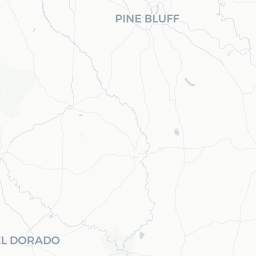
Marshall is a small city of roughly 24,000 people in Harrison County, deep in the Piney Woods region of East Texas. Sitting about 40 miles west of Shreveport, Louisiana, it occupies a landscape of towering pines, creek bottoms, and quiet lake country that defines this corner of the state.
The city carries a surprisingly dense historical record. It served as the Confederate capital of Missouri in exile during the Civil War, was a significant stop on the old Southern Pacific rail line, and produced a number of notable Americans in politics, entertainment, and civil rights. That layered past is visible in its courthouse square, historic neighborhoods, and museums.
Today Marshall is best known regionally for its annual Wonderland of Lights festival during the holiday season, its antique and vintage shopping district, and its proximity to Caddo Lake State Park. It functions as a manageable, low-key destination for travelers who enjoy heritage tourism, the outdoors, and slower-paced East Texas culture.
Before You Go
Marshall is in the United States, so citizens of most countries will follow standard US entry procedures. For visa guidance specific to your nationality, visit the TravelerPulse Visas section and check the US Customs and Border Protection website (cbp.gov) or the US Embassy in your home country.
Practical considerations
- Car is essential. Marshall has no meaningful public transportation, and most attractions, restaurants, and lodging are spread across the city and surrounding county.
- Weather: East Texas is humid subtropical. Summers (June–August) are hot and muggy, often exceeding 95°F (35°C). Spring and fall are more comfortable. Winter is mild but can bring occasional ice storms.
- Cell coverage and Wi-Fi: Generally reliable in town; coverage can thin out around Caddo Lake and rural areas.
- Nearest major airport: Shreveport Regional Airport (SHV) in Louisiana, approximately 40 miles east, is the most practical commercial option. Dallas/Fort Worth (DFW) is roughly 180 miles west.
Getting There
By air
The closest commercial airport with regular service is Shreveport Regional Airport (SHV) in Shreveport, Louisiana, about 40–45 minutes east via I-20. Dallas/Fort Worth International Airport (DFW) is a larger hub roughly 2.5–3 hours west. A rental car from either airport is the standard approach.
By road
Interstate 20 runs directly through Marshall, making it straightforward to reach from Dallas to the west or Shreveport to the east. US-59 also passes through, connecting to the wider East Texas highway network toward Nacogdoches and Houston.
By rail
Amtrak's Texas Eagle (Chicago–Los Angeles) stops at Marshall's historic train depot. Verify current schedules and booking at amtrak.com, as service frequency is limited.
Getting Around
A personal or rental vehicle is the only practical way to navigate Marshall and the surrounding region. The city's layout is typical of mid-size Texas towns — spread out, with attractions, parks, and dining distributed across multiple districts rather than concentrated in one walkable core.
The historic courthouse square and nearby downtown blocks are walkable once you are there, but you will need a car to reach Caddo Lake State Park (about 15 miles north), outlying antique shops, or restaurants outside downtown. Rideshare availability (Uber, Lyft) exists but can be inconsistent — verify before relying on it, especially for return trips.
Things to See & Do
History and culture
- Harrison County Historical Museum — housed in the 1901 Ginocchio Hotel near the train depot, it covers the county's history from Indigenous peoples through the Civil War era and beyond. Verify current hours before visiting.
- Starr Family Home State Historic Site — a well-preserved antebellum estate managed by Texas Historical Commission. Check the THC website (thc.texas.gov) for current tour availability and hours.
- Michelson Museum of Art — dedicated to the work of Leo Michelson, a Russian-born Jewish artist who spent time in Marshall. A focused, genuine collection worth a look.
- Marshall's historic depot — the 1912 Texas & Pacific Railway depot is an architectural landmark and still sees Amtrak service.
Nature and outdoors
- Caddo Lake State Park — one of the most visually distinctive natural areas in Texas, featuring Spanish-moss-draped cypress trees, bayous, and rich wildlife. Canoeing and kayaking are popular; boat rentals are available in the area (verify locally for current operators). About 15 miles north of Marshall via TX-43.
- Caddo Lake itself, straddling the Texas-Louisiana border, is a designated Ramsar Wetland of International Importance and one of the largest natural lakes in the South.
Events
- Wonderland of Lights — Marshall's signature holiday festival, typically running from late November through December, when the courthouse square and surrounding area are decorated with thousands of lights. It draws significant regional attendance; accommodation books up early.
- Fire Ant Festival — a long-running October community festival on the courthouse square.
- Verify current event dates locally or via the Marshall Texas Chamber of Commerce website.
Food & Drink
Marshall's dining scene reflects its East Texas surroundings: barbecue, Southern comfort food, Tex-Mex, and casual American fare are all well represented. The city is not a culinary destination in its own right, but there are solid local options.
Look for family-owned barbecue joints and meat-and-three style Southern diners around the courthouse square and along major commercial corridors. Several locally owned restaurants serve the community rather than tourists, which generally means straightforward, honest food at reasonable prices.
Alcohol laws in Texas can vary by county and municipality; Harrison County has wet and dry precincts, so availability of beer, wine, and spirits depends on the specific establishment and location. Verify locally if this matters to your plans.
For a broader dining selection, Longview (about 30 miles west) or Shreveport (about 40 miles east) offer significantly more variety.
Shopping
Antiques and vintage goods are Marshall's clearest shopping identity. The city has a well-established reputation in the regional antique circuit, with multiple dealers concentrated near downtown and along major roads. Shoppers visiting East Texas specifically for antique hunting often include Marshall as a stop alongside Jefferson, Texas (about 25 miles north).
Beyond antiques, downtown has some locally owned retail, and standard national chain retail is available along the major commercial strips. For significant retail variety, Longview and Shreveport are closer options.
Practical Information
Emergency
For emergencies in the United States, dial 911.
Medical
Marshall has hospital facilities — CHRISTUS Good Shepherd Medical Center–Marshall is the primary local hospital. Verify current services at their official site.
Money
ATMs are available at banks and some retail locations throughout the city. Major credit cards are accepted at most businesses. Some smaller or rural establishments may be cash-preferred.
Connectivity
Major US mobile carriers provide coverage in Marshall, though rural areas and portions of Caddo Lake can have weaker signals. Wi-Fi is available at most lodging options and many restaurants.
Useful contacts
- Marshall Texas Chamber of Commerce: verify current contact and website locally
- Texas Historical Commission (thc.texas.gov) for state historic site information
- Texas Parks and Wildlife (tpwd.texas.gov) for Caddo Lake State Park
Safety
Marshall is a typical small American city. Standard urban precautions apply — be aware of your surroundings, secure valuables in your vehicle, and avoid leaving items visible in parked cars.
Outdoor safety at Caddo Lake deserves attention: water conditions in bayous and swamps can change, and the landscape is easy to become disoriented in, particularly by boat or kayak. Stick to marked waterways if unfamiliar with the lake, wear a life jacket on the water, and be aware that alligators are present and native to this environment. Keep a respectful distance and never feed or approach them.
Mosquitoes are prevalent, especially near water, from spring through fall. Insect repellent is strongly recommended for any outdoor activity.