Overview
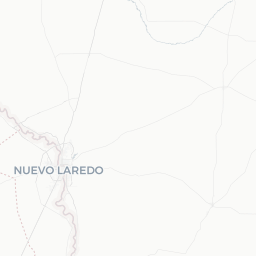
Roma is a small city of roughly 10,000 people situated on the north bank of the Rio Grande in Starr County, deep in the South Texas brush country. It sits directly across the river from Ciudad Miguel Alemán in Tamaulipas, Mexico, and the two communities share strong cultural and economic ties that shape everyday life on both sides.
The city's most distinctive feature is its historic downtown core, which preserves a cluster of mid-19th-century commercial buildings and a central plaza that look strikingly different from most Texas border towns. The Roma Historic District is listed on the National Register of Historic Places and is recognized as one of the best-preserved examples of a Rio Grande colonial trading town in the United States.
Roma is not a mainstream tourist destination, and that is partly its appeal. Visitors who make the effort tend to come for the history, the birding opportunities along the river, and the authentic border culture rather than developed tourist infrastructure. Services and facilities are limited, so planning ahead is important.
Before You Go
Visas and Entry
Roma is a domestic US destination; no visa is required to enter Roma itself. If you plan to cross into Mexico at the Roma–Ciudad Miguel Alemán international bridge, consult TravelerPulse's Visas section and the official US Customs and Border Protection (CBP) and Mexican immigration authority (Instituto Nacional de Migración) websites for current requirements, as rules and documentation needs can change.
Travel Advisories
Starr County and the broader Rio Grande Valley border region can be subject to US State Department and Texas state travel advisories. Check current advisories before your trip and monitor local conditions. The Roma area has historically seen activity related to cross-border smuggling corridors; staying aware of your surroundings and following guidance from local authorities is advisable.
What to Pack
- Lightweight, breathable clothing for most of the year; a warm layer for winter evenings
- Sun protection (hat, sunscreen, sunglasses) — UV exposure is intense year-round
- Insect repellent, especially if visiting riparian areas along the river
- Valid government-issued ID; a US passport is required if you intend to cross into Mexico and return
- Cash, as some local businesses may not accept cards
Getting There
By Air
The nearest commercial airport with regular service is Laredo International Airport (LRD), approximately 90 miles northwest of Roma. McAllen Miller International Airport (MFE) is roughly 60–70 miles to the southeast and often has more flight options. Verify current routes and carriers on those airports' official sites. From either airport, a rental car is essentially required.
By Car
Roma is reached via US Highway 83, the main artery running through the Rio Grande Valley. From Laredo, follow US-83 southeast; from McAllen, follow US-83 northwest. The drive from either city takes approximately 1.5 to 2 hours depending on traffic and border checkpoint waits. There is a US Border Patrol checkpoint on US-83 between Roma and Laredo; carry identification.
By Bus
Intercity bus service to the Rio Grande Valley region exists through carriers such as Greyhound and regional operators, but direct service to Roma itself is limited. Verify current schedules and stops locally or through carrier websites, as small-city stops can change.
Getting Around
Roma is a small, compact city. The historic downtown and plaza are walkable once you are there. However, a personal vehicle is effectively necessary for getting to Roma from elsewhere and for reaching sites outside the immediate town center.
There is no established local transit system or ride-share service operating reliably in Roma. Taxis or informal car services may be available — verify locally on arrival. If you plan to cross into Ciudad Miguel Alemán on foot via the international bridge, confirm current pedestrian crossing procedures and hours with US CBP before doing so.
Where to Stay
Accommodation options within Roma itself are very limited. At the time of writing, there are few if any established hotel properties operating in the city center — verify current availability on booking platforms before relying on finding a room in Roma proper.
Most visitors use Rio Grande City (approximately 10 miles away) or Laredo (roughly 90 miles) as a base, where chain hotel options are available. McAllen also offers a wider range of accommodation for those approaching from the east. If you plan to stay overnight near Roma, book in advance and confirm current operating status of any property, as the hospitality market in small border communities can change.
Things to See & Do
Roma Historic District
The centerpiece of any visit is the Roma Historic District, centered on the town plaza near the river. The district contains a collection of mid-1800s commercial buildings, a historic church (Our Lady of Refuge), and streetscapes that retain their 19th-century character. Many of these buildings were constructed by prominent Rio Grande merchant families and represent a regional architecture blending Spanish colonial and American frontier influences. The district served as a backdrop for Elia Kazan's 1952 film Viva Zapata! starring Marlon Brando, and signage in town marks filming locations.
Birding and Nature
The Rio Grande corridor around Roma is within the broader South Texas region recognized as one of North America's premier birding destinations. The riverbanks and surrounding brush attract both resident species and migratory birds. Visitors with an interest in birding should check with the local chapter of birding organizations or the World Birding Center network (which has sites throughout the Valley) for guidance on access points near Roma.
Rio Grande Views
The bluffs along the Roma side of the river offer views across to Mexico and of the river itself. The international bridge and the historic ferry crossing site are visible from parts of the downtown area.
Day Trip to Ciudad Miguel Alemán
Some visitors use Roma as a point to cross briefly into the adjacent Mexican city. If you choose to do this, understand entry and re-entry requirements fully in advance, follow all CBP and Mexican customs rules, and check current State Department travel advisories for Tamaulipas.
Food & Drink
Roma's food scene is small and community-oriented, centered on Mexican and Tex-Mex cuisine reflecting the dominant culture of the region. Taquerias, small family-run Mexican restaurants, and local diners are the primary dining options. Expect hearty, home-style cooking: tacos, tamales, menudo, barbacoa, and similar dishes prepared in a South Texas border style.
There are no large chain restaurants or upscale dining establishments to speak of in Roma proper. Nearby cities such as Rio Grande City (about 10 miles southeast) have a somewhat wider selection. Grocery options in Roma are limited; stock up in a larger nearby city if you are self-catering.
Alcohol is available at some restaurants and at retail stores, but verify locally as availability can vary across Texas counties and municipalities.
Practical Information
Money
ATMs may be available in Roma but are not guaranteed to be plentiful. Carry sufficient US cash before arriving, as some local businesses operate cash-only. If crossing into Mexico, note that the Mexican peso is the currency there; exchange options exist at the border but rates vary.
Connectivity
Cell service in Roma is generally available through major US carriers but signal strength can vary near the river. Wi-Fi is not widely available in public spaces.
Emergency Services
For emergencies in Roma, dial 911. The nearest hospital with full emergency services is likely in Rio Grande City or further afield — verify the nearest emergency medical facility location before your trip, as medical infrastructure in rural Starr County is limited.
US Border Patrol Presence
The area has a notable US Border Patrol presence, including interior checkpoints on highways. Carry valid identification at all times. US citizens and legal residents should be prepared to confirm their status at checkpoints.
Safety
Roma is a quiet, small community and day-to-day life for residents is generally calm. That said, Starr County sits in a region that has experienced smuggling-related activity, and travelers should exercise situational awareness, particularly near the riverbank at night.
Avoid unfamiliar rural roads, especially after dark. Do not approach or interfere with any border enforcement activity. Keep valuables out of sight in your vehicle. Follow any guidance issued by local law enforcement or federal border authorities during your visit.
If you are crossing into Mexico, read the current US State Department advisory for Tamaulipas carefully. Tamaulipas has at times carried elevated advisory levels; conditions can change. Make that assessment based on the most current official information available at the time of your trip.
Local Culture & Etiquette
Roma's culture is deeply bicultural — Spanish and English are used interchangeably in conversation, on signage, and in commerce. The community is predominantly Hispanic and maintains strong ties with Mexican heritage, family traditions, and Catholic observance. Our Lady of Refuge Church on the plaza has been a focal point of community life since the 19th century.
Visitors should approach the community with respect for its everyday nature. Roma is not a tourist town; residents go about their lives in what is a working border community. Engaging politely, patronizing local businesses, and showing genuine curiosity about the history rather than treating the border setting as spectacle will be appreciated.