Translate

Overview
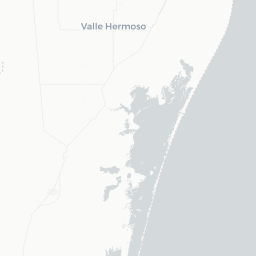
South Padre Island is a narrow barrier island at the southern tip of Texas, separated from the mainland by the Laguna Madre — one of the few hypersaline lagoons in the world. Despite a permanent population of under 3,000 residents, the island draws hundreds of thousands of visitors each year for its warm Gulf of Mexico waters, wide sandy beaches, and consistently strong bay winds that have made it a hub for water sports.
The island sits within Cameron County, roughly 30 miles north of the US–Mexico border at Brownsville/Matamoros. Its geography means it functions as a natural stopover on the Central Flyway, making spring and fall migrations notable events for birdwatchers. Sea turtle nesting season (roughly April through July) brings additional ecological interest.
Development is concentrated at the island's southern end, where hotels, restaurants, and shops cluster along Padre Boulevard. The northern reaches transition into undeveloped national seashore, offering a quieter, more natural experience. Spring break (primarily late February through March) is the island's peak party season; families and nature-focused travelers typically prefer shoulder seasons.
Before You Go
Visas and Entry
South Padre Island is in the United States. Visa requirements vary by nationality and travel history. Check TravelerPulse's Visas section and the official US Customs and Border Protection website for current requirements before booking.
Weather
The island has a subtropical climate. Summers (June–August) are hot and humid, with temperatures regularly above 90°F (32°C) and high UV index. Hurricane season runs June through November; check the National Hurricane Center's forecasts if traveling in those months. Winters are mild but can include occasional strong cold fronts ("northers") that drop temperatures sharply for short periods.
Health and Medications
- Sunscreen, insect repellent (mosquitoes and no-see-ums are present, especially near the bay side), and hydration are practical priorities in summer.
- Jellyfish and Portuguese man-of-war occasionally wash ashore; check beach condition flags before swimming.
- The nearest major hospital is in Harlingen or Brownsville — verify locally for current urgent care options on the island itself.
Currency and Payments
US dollars are accepted everywhere. ATMs are available on the island. Credit cards are widely accepted at hotels and restaurants.
Getting There
By Air
The closest commercial airports are Brownsville South Padre Island International Airport (BRO) and Valley International Airport in Harlingen (HRL), both approximately 25–35 miles from the island. Major airports in Corpus Christi (CRP) and San Antonio (SAT) are options if you plan to rent a car and combine the trip with wider Texas travel. Verify current airline service and schedules directly with carriers, as regional routes change.
By Car
The primary road access is the Queen Isabella Causeway (State Highway 100), which connects the island to Port Isabel on the mainland. Driving is the most practical option for most visitors, as there is no passenger rail service and intercity bus options to the island are limited. Parking availability on the island varies significantly by season — expect congestion during spring break and holiday weekends.
By Bus
Verify locally whether intercity bus services currently connect the Rio Grande Valley to the island, as schedules and operators change.
Getting Around
South Padre Island is a long, narrow island and most attractions are spread along or near Padre Boulevard, the main north–south road. A personal vehicle or rental car is the most flexible way to get around.
During peak season, the City of South Padre Island has historically operated a free trolley service along Padre Boulevard — verify current routes, hours, and availability with the city or your accommodation before relying on it.
Bicycling is feasible along parts of the island and is a popular way to reach the beach. Bike rentals are available from local shops; confirm current operators on arrival. Golf carts are another popular local transport option and rentals are widely available.
Ride-share availability (Uber, Lyft) exists but may be limited, particularly late at night or during extremely busy periods. Taxis operate on the island as well.
Where to Stay
Accommodation on South Padre Island ranges from large beachfront hotel-and-condominium towers to smaller motels, vacation rentals, and RV parks. The majority of properties are clustered at the southern end of the island near Padre Boulevard.
Vacation rental platforms (Vrbo, Airbnb, and others) list a significant inventory of condominiums, which can be practical for families or groups wanting kitchen access. Verify property details, cancellation policies, and proximity to beach access points carefully before booking.
Pricing varies considerably by season. Spring break weeks command significantly higher rates; summer is busy but somewhat more moderate. Shoulder seasons (May and September–November) typically offer better availability and value. Always book well in advance for spring break and major holiday weekends.
RV and tent camping options exist; verify current sites and reservation requirements with Texas Parks and Wildlife and the city.
Things to See & Do
Beaches
The Gulf-facing beaches are the island's main draw. Beach access points are spread along the eastern shore. Some sections require a vehicle beach access permit; check current Cameron County rules before driving onto the sand.
Water Sports
- Kiteboarding and windsurfing: The Laguna Madre's consistent winds make the bay side one of the more regarded kiteboarding spots in the southern US. Several outfitters offer lessons and equipment rentals — confirm operators locally.
- Kayaking and paddleboarding: Bay-side outfitters offer rentals and guided tours into the Laguna Madre, including through seagrass flats where dolphins and rays are commonly spotted.
- Fishing: Both surf fishing and bay/offshore charter fishing are popular. A Texas fishing license is required; verify current regulations with Texas Parks and Wildlife.
- Dolphin watching tours: Multiple boat tour operators run trips into the bay and Gulf.
Nature and Wildlife
- Sea Turtle, Inc.: A nonprofit sea turtle rescue and rehabilitation center open to visitors. Admission fees and hours — verify on their official site before visiting.
- South Padre Island Birding and Nature Center: A boardwalk facility over the Laguna Madre wetlands, particularly active during spring and fall migrations. Verify current hours and fees locally.
- Padre Island National Seashore: Technically a separate, much larger unit to the north (accessible by car via the mainland), this national park protects the world's longest undeveloped barrier island and is worth a dedicated day trip.
Spring Break
Late February through March brings large crowds and organized events. Travelers seeking a quieter visit should avoid this window.
Food & Drink
South Padre Island's dining scene centers on Gulf seafood — shrimp, redfish, flounder, and crab are local staples. The island's proximity to the Rio Grande Valley also means Tex-Mex influences are strong throughout the menu options available.
Restaurants and bars are concentrated along Padre Boulevard and the side streets near the main hotel corridor. During spring break, lines at popular spots can be long; reservations where available are advisable.
The legal drinking age in Texas is 21. The island has a lively bar scene catering to the spring break crowd, but quieter dining options exist year-round. Verify specific restaurant hours and current operators locally, as turnover in resort-area dining can be high.
- Fresh Gulf shrimp — boiled, fried, or grilled — is widely available and worth seeking out from spots sourcing locally.
- Waterfront dining on the bay side typically offers calmer atmospheres than beachfront venues.
- Grocery stores and convenience markets are available for self-catering; verify locations on arrival.
Practical Information
Emergency Services
In any emergency in the United States, dial 911. This connects to police, fire, and emergency medical services.
Connectivity
Mobile coverage from major US carriers (AT&T, Verizon, T-Mobile) is generally available on the island, though signal can be spotty on more remote northern beach stretches. Wi-Fi is available at most hotels and many restaurants.
Time Zone
Central Time (UTC−6 standard, UTC−5 daylight saving). Texas observes Daylight Saving Time.
Accessibility
Beach wheelchair rentals have been available through city programs in past seasons — verify current availability with the City of South Padre Island.
Useful Tips
- Beach flag warning system: green (calm), yellow (caution), red (dangerous conditions), purple (marine life present). Observe flags carefully.
- Bring cash for smaller vendors, beach parking, and fishing bait shops.
- Sunscreen with high SPF is strongly recommended year-round; reflected glare off sand and water intensifies UV exposure.
Safety
South Padre Island is generally considered a safe destination for tourists. The primary safety concerns are environmental rather than criminal.
Rip currents are the most significant hazard for swimmers. Always swim near lifeguard-protected areas when available, and check beach conditions before entering the Gulf. If caught in a rip current, swim parallel to shore rather than against the current.
Hurricane season (June–November) is a real consideration. Monitor National Hurricane Center updates if visiting in those months and understand your accommodation's evacuation and cancellation policies before arriving.
Sun and heat: Heat-related illness is a genuine risk in summer. Stay hydrated, limit sun exposure during peak afternoon hours, and use appropriate sun protection.
Border proximity: The island is approximately 30 miles from the US–Mexico border. Standard US travel precautions apply. Travelers crossing into Mexico should consult current US State Department advisories for the Tamaulipas region before doing so.