Overview
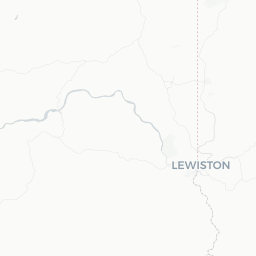
Waitsburg is a small agricultural town in southeastern Washington's Walla Walla County, sitting along the Touchet River at the edge of the Blue Mountains foothills. With a population of roughly 1,200, it is one of the quieter communities in a region that has gained considerable recognition for wheat farming, ranching, and an expanding wine industry.
The town was platted in the 1870s and retains a compact, walkable downtown with several well-preserved late-19th- and early-20th-century brick buildings. That architectural continuity gives Waitsburg a genuine historic character that distinguishes it from many comparable rural towns. Visitors typically arrive as part of a broader Walla Walla wine country itinerary or while passing through on US Highway 12.
The surrounding landscape — rolling wheat fields, river corridors, and the gentle rise toward the Blue Mountains — offers scenic value in its own right, particularly during the golden light of late summer and harvest season.
Before You Go
Waitsburg is a domestic US destination, so international travelers should ensure they have the appropriate US entry documentation before arriving. For visa guidance, check TravelerPulse's Visas section and the US Citizenship and Immigration Services website (uscis.gov) for authoritative requirements.
What to Expect
- Services are limited. There is no hospital in town; the nearest significant medical facilities are in Walla Walla or the Tri-Cities area (Kennewick/Richland/Pasco).
- Cell coverage can be inconsistent in parts of the Touchet River Valley and the surrounding hills — verify with your carrier.
- Fuel up before arriving if you are driving from a distance; options in town are limited. Verify locally what is currently open.
- Summers are warm and dry; winters can bring cold temperatures and occasional snow on the surrounding roads. Check road conditions through the Washington State Department of Transportation (wsdot.wa.gov) if traveling in winter.
Getting There
Waitsburg sits on US Highway 12 approximately 18 miles east of Walla Walla and about 55 miles southeast of the Tri-Cities. The most practical way to arrive is by car.
Nearest airports: Walla Walla Regional Airport (ALW) is the closest commercial airport, offering limited regional connections; verify current routes and schedules directly with the airport or airlines. Pasco's Tri-Cities Airport (PSC) offers more frequent service and is roughly an hour's drive away.
By road: US-12 runs directly through town, making it straightforward to reach from Walla Walla to the west or from Dayton and the Blue Mountains to the east. Road conditions in winter should be checked before traveling mountain passes.
There is no scheduled intercity bus or rail service to Waitsburg itself. Travelers without a car should plan to rent a vehicle at one of the nearby airports.
Getting Around
Waitsburg's downtown is small enough to explore entirely on foot. The main commercial and historic blocks are clustered together and walkable within minutes.
Beyond downtown, a personal vehicle is essential. There is no local public transit. If you plan to visit wineries or attractions in the broader Walla Walla Valley, a car is the only realistic option. Rideshare availability (Uber, Lyft) in this area is unreliable — verify before counting on it.
Things to See & Do
Historic Downtown
Waitsburg's downtown historic district is the town's primary attraction for visitors. The Bruce Memorial Museum, dedicated to local and regional history, is located here — verify current hours and admission locally before visiting, as staffing at small community museums can vary seasonally.
The streetscape itself — brick storefronts, a classic small-town scale — is worth a slow walk. Look for the Pioneer Park along the Touchet River, which offers a quiet spot for a picnic or an easy walk along the water.
Wine Country Access
Waitsburg sits within reach of the Walla Walla Valley American Viticultural Area, one of Washington's most respected wine regions. Several wineries operate in the broader valley; some are clustered near Walla Walla, and a few rural producers are closer to Waitsburg itself. Check current winery listings and reservation requirements through the Walla Walla Valley Wine organization before visiting, as many require appointments.
Outdoor Recreation
The Touchet River and the nearby Blue Mountains provide opportunities for fishing, hiking, and wildlife watching. Road cycling through the wheat field roads is popular in warm months. Conditions and access points are best confirmed locally.
Food & Drink
Dining options in Waitsburg are limited given the town's size. A small number of locally operated restaurants and establishments serve the community — verify what is currently open before planning meals around a specific spot, as businesses in small towns can change hours or close seasonally.
The broader wine country context means that wine tasting experiences are part of the regional draw, with more substantial tasting room and dining options available in nearby Walla Walla. If you are spending a full day in Waitsburg, consider combining it with a meal in Walla Walla, roughly 20 minutes to the west.
Grocery options are very limited in town. Travelers who plan to self-cater should stock up in Walla Walla or the Tri-Cities before arriving.
Practical Information
Emergency Services
For emergencies in the United States, dial 911. The nearest hospitals with emergency departments are in Walla Walla; verify the closest facility before your trip.
Connectivity
- Wi-Fi may be available at local establishments; confirm with individual businesses.
- Mobile data coverage: verify with your carrier for the Waitsburg area specifically.
Money
Most US card-payment infrastructure applies here — credit and debit cards are widely accepted where businesses operate. There may not be an ATM in town; withdraw cash in Walla Walla if needed. Verify locally.
Best Packing Notes
- Sun protection is important in summer; the high desert climate means intense UV exposure.
- Layers are useful year-round; evenings cool quickly even in summer.
- If hiking or exploring rural roads, carry water — services are sparse outside of town.