Translate
Overview
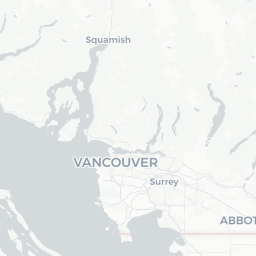
Downtown Vancouver occupies a compact peninsula in southwestern British Columbia, bounded by Burrard Inlet to the north, False Creek to the south, and the Strait of Georgia to the west. With a residential population of roughly 62,000 and a daytime population many times that, it functions as both the commercial core of Metro Vancouver and one of Canada's most visited urban destinations.
The district is unusually easy to navigate on foot. Within a few blocks you can move from the glass towers of the Financial District to the Victorian storefronts of Gastown, the weekend markets of False Creek, or the ancient forest trails of Stanley Park. Mountains are visible from nearly every major street, a constant reminder that the wilderness is genuinely close.
Vancouver has a relatively mild, maritime climate by Canadian standards. Winters are rainy and grey rather than deeply cold, and snow in the downtown core is uncommon. Summers are reliably dry and warm. The city's geography — enclosed by mountains and water — means weather can shift quickly, so layers are practical year-round.
Before You Go
Visas and Entry
Canada's entry requirements vary significantly by passport. Some nationalities need a visa; others require only an Electronic Travel Authorization (eTA) for air travel; citizens of certain countries may enter with only a valid passport. Check TravelerPulse's Visas section and the official Immigration, Refugees and Citizenship Canada (IRCC) website for requirements applicable to your nationality before booking.
Health and Insurance
Canada has a publicly funded healthcare system, but it does not cover visitors. Comprehensive travel health insurance is strongly recommended. Bring sufficient prescription medication and carry documentation, as some medications require advance authorization to import.
Currency and Payments
The Canadian Dollar (CAD) is the only accepted currency. Credit and debit cards (Visa, Mastercard, American Express) are accepted almost universally downtown. Contactless payment is standard. ATMs are widely available. Currency exchange is available at banks, some hotels, and dedicated exchange bureaux — compare rates before exchanging large amounts.
Connectivity
Free public Wi-Fi is available in many cafés, the Vancouver Public Library, and parts of the waterfront. Canadian SIM cards and data plans are available from major carriers (Rogers, Telus, Bell, and discount subsidiaries) at the airport and in downtown retail stores. International roaming costs can be high; a local SIM or eSIM is often more economical for stays longer than a few days.
Getting There
By Air
Vancouver International Airport (YVR) is located in Richmond, approximately 13 km south of Downtown Vancouver. It is one of Canada's busiest airports and receives direct international flights from Europe, Asia, the United States, and other Canadian cities. The Canada Line SkyTrain connects YVR directly to Waterfront Station in downtown in roughly 25–30 minutes. Taxis and ride-hailing services (Uber, Lyft) are also available from the airport; verify current fares locally.
By Rail
Amtrak's Cascades service connects Seattle, Washington, to Vancouver's Pacific Central Station, located east of downtown on Main Street. VIA Rail provides cross-country service from eastern Canada, also arriving at Pacific Central. Confirm current schedules and booking on the respective operator's official website, as service frequency and travel times vary.
By Bus
Long-distance bus services including FlixBus and other regional carriers operate routes between Vancouver and cities in British Columbia, Alberta, and the U.S. Pacific Northwest. Pacific Central Station serves as the main intercity bus terminal as well.
By Car
Vancouver is accessible via Highway 1 (Trans-Canada) from the east and via Highway 99 from the U.S. border to the south (about 50 km from the Peace Arch crossing at Blaine, Washington). Driving into downtown is straightforward, but parking is limited and expensive in the core. If you plan to stay downtown, consider whether a car is necessary for your trip.
Getting Around
SkyTrain and Transit
TransLink operates Metro Vancouver's public transit network, which includes three SkyTrain rapid transit lines, buses, the SeaBus ferry to North Vancouver, and the West Coast Express commuter rail. The Canada Line, Expo Line, and Millennium Line all converge near downtown. A Compass Card (reloadable transit card) is the most efficient way to pay; single-use tickets are also available. Verify current fares on TransLink's official website.
Walking and Cycling
Downtown Vancouver is exceptionally walkable. Most major attractions — Stanley Park, Gastown, Robson Street, the Seawall, Granville Island (a short bridge walk or ferry ride from the south shore of False Creek) — are within 30–45 minutes on foot from the city centre. A continuous seawall path runs around the downtown peninsula and along False Creek, suitable for both walking and cycling. Mobi, Vancouver's public bike-share system, operates stations throughout the downtown core; verify current availability and rates via the Mobi app.
Taxis and Ride-Hailing
Uber and Lyft operate in Vancouver. Traditional metered taxis are also available. Hailing a cab on the street is possible but apps are generally more reliable for shorter waits.
Ferries
The False Creek Ferries and Aquabus services run small passenger ferries between points along False Creek, connecting downtown to Granville Island, Olympic Village, and other waterfront stops. These are practical for travel and enjoyable in their own right; verify current schedules and fares with the operators directly.
Where to Stay
Downtown Vancouver has a broad range of accommodation, from international luxury hotel brands clustered around the waterfront and Coal Harbour to mid-range hotels along Robson and Burrard streets, boutique properties in Gastown, and hostels serving budget travellers. Rates fluctuate considerably by season, with peak summer (July–August) and major event periods commanding the highest prices.
The West End, immediately adjacent to downtown, offers quieter residential streets and proximity to Stanley Park and English Bay, with a mix of smaller hotels and vacation rentals. Staying in Coal Harbour or the central downtown core puts you within walking distance of most major sights and transit hubs.
Verify current room rates and availability directly with properties or through reputable booking platforms. Be aware that Vancouver's accommodation costs are among the highest in Canada; booking well in advance is advisable for summer travel.
Things to See & Do
Stanley Park
One of North America's largest urban parks, Stanley Park sits at the western tip of the downtown peninsula and covers approximately 405 hectares. Its seawall loop (about 9 km) is among the most scenic urban walks in Canada. The park contains old-growth forest, beaches (including Second and Third Beach), totem poles at Brockton Point, the Vancouver Aquarium, and several smaller attractions. Most of the park is freely accessible; the Aquarium charges admission — verify current fees on its official site.
Gastown
Vancouver's oldest neighbourhood, immediately east of downtown, features cobblestone streets, heritage brick buildings, and the iconic Steam Clock on Water Street. It is a short walk from Waterfront Station. The area has evolved into a mix of independent restaurants, design shops, and galleries alongside its historic character.
Canada Place and the Waterfront
Canada Place, recognizable by its distinctive sail-shaped roof, sits at the foot of Howe Street on Burrard Inlet. It houses a convention centre, a cruise ship terminal, and FlyOver Canada, a flight-simulation attraction. The surrounding waterfront promenade offers views of the North Shore mountains and the working harbour.
Granville Island
Technically a peninsula under the south end of the Granville Bridge, Granville Island is home to the Public Market, independent theatres, artist studios, craft breweries, and a variety of specialty food and artisan shops. It is accessible by car, on foot across the bridge, or by False Creek ferry — the ferry approach is particularly atmospheric.
Robson Street and the West End
Robson Street is Downtown Vancouver's main shopping and pedestrian corridor, lined with chain retailers, restaurants, and cafés. It connects to the West End residential neighbourhood and to Davie Street, which is the heart of the city's LGBTQ+ community. Nearby Denman Street runs alongside English Bay and is a good spot for casual dining and people-watching at sunset.
Museum of Anthropology
Located on the UBC campus west of downtown (accessible by bus), the Museum of Anthropology holds one of the world's most significant collections of Northwest Coast Indigenous art and cultural objects, including monumental totem poles and works by Haida master Bill Reid. Verify current admission fees and hours on the UBC Museum of Anthropology website.
Food & Drink
Downtown Vancouver has one of Canada's most diverse and accomplished food scenes, shaped heavily by its large Chinese, Japanese, South Asian, and Korean communities, as well as a strong Pacific Northwest farm-to-table culture and ready access to Pacific seafood.
What to Eat
- Seafood: Dungeness crab, Pacific salmon, spot prawns (in season, typically spring), and halibut are local staples available at markets and restaurants throughout downtown and Granville Island.
- Dim sum: Vancouver's Cantonese dim sum tradition is deep-rooted. While the largest concentration of dim sum restaurants is in Richmond and the broader Metro area, options exist downtown and in Chinatown (on the eastern edge of downtown).
- Ramen and Japanese cuisine: A dense cluster of Japanese restaurants, including many ramen shops, operate in and around the Robson Street corridor.
- West Coast fine dining: Multiple restaurants emphasizing local and seasonal ingredients operate in the downtown core. Reservations are advisable, especially on weekends.
Drinking
British Columbia has a mature craft brewing industry. Several breweries operate taprooms reachable from downtown, with a notable concentration in the Mount Pleasant and East Vancouver neighbourhoods (a short bus or SkyTrain ride away). Granville Island Brewing, one of Canada's earliest craft breweries, has a taproom on Granville Island. The province also produces well-regarded wines, particularly from the Okanagan Valley, available at most restaurants and at BC Liquor Stores. The legal drinking age in British Columbia is 19.
Shopping
Robson Street is the downtown core's primary retail strip, offering a mix of international brands and some local retailers. Pacific Centre, a large underground mall connecting Granville and Howe streets, consolidates many mainstream brands under one roof and is useful in wet weather.
For more distinctive shopping, Gastown has independent clothing boutiques, design goods, and Indigenous art galleries. Granville Island is the best destination for local food products, handmade crafts, and artisan goods — the Public Market is particularly strong for specialty foods, baked goods, and local preserves.
Chinatown, bordering the eastern edge of downtown, has a compact commercial strip with grocers, herbalists, and specialty shops, though the neighbourhood has changed considerably in recent years. The Dr. Sun Yat-Sen Classical Chinese Garden is located here and is worth visiting alongside any shopping.
Practical Information
Emergency Services
Dial 911 for police, fire, or ambulance emergencies anywhere in Canada. Non-emergency police inquiries in Vancouver can be directed to the Vancouver Police Department's non-emergency line — verify the current number on the VPD official website.
Electricity
Canada uses 120V / 60Hz electricity with Type A and Type B plugs (the same standard as the United States). Travelers from Europe, the UK, Australia, and most of Asia will need a plug adapter and should check whether their devices are dual-voltage.
Tipping
Tipping is customary and widely expected in restaurants, bars, taxis, and hotels. A tip of 15–20% of the pre-tax bill is standard in sit-down restaurants. Tip prompts on payment terminals now commonly begin at 18–20%; you may enter a custom amount.
Taxes
Purchases in British Columbia are subject to the federal Goods and Services Tax (GST, 5%) and the provincial PST (7%), for a combined rate of 12% on most goods. Restaurant meals and many services carry the same combined rate. Prices displayed in stores are generally pre-tax.
Smoking and Cannabis
Smoking is prohibited in most enclosed public spaces, near entrances to buildings, and in parks and beaches. Cannabis is legal in Canada for adults 19 and over in British Columbia, but public consumption is regulated — rules on where it may be consumed vary; verify current municipal rules with the City of Vancouver.
Safety
Downtown Vancouver is generally safe for tourists and residents, though like most large cities it has areas and situations that merit awareness. The Downtown Eastside (DTES), located just east of Gastown along Hastings Street, is one of Canada's most concentrated areas of poverty, homelessness, and open drug use. Visitors passing through will encounter this reality directly. The area is not typically dangerous for people passing through during daylight hours, but it can be disorienting and is best navigated with awareness.
Petty theft, particularly from vehicles and in crowded tourist areas, does occur. Keep valuables out of sight in parked cars and be mindful of your belongings on the SkyTrain and in busy public spaces.
Overall, violent crime directed at tourists is uncommon downtown. The seawall, Stanley Park, and major commercial areas are active and well-lit, and the presence of other pedestrians at most hours provides a natural sense of security. As with any destination, use common sense after dark in less-trafficked areas.
Local Culture & Etiquette
Vancouver sits on the unceded traditional territories of the xʷməθkʷəy̓əm (Musqueam), Sḵwx̱wú7mesh (Squamish), and səlilwətaɬ (Tsleil-Waututh) Nations. Acknowledgement of this is standard practice at public events, institutions, and businesses throughout the city. Visitors interested in Indigenous culture will find significant exhibitions at the Museum of Anthropology (on the UBC campus), the Bill Reid Gallery of Northwest Coast Art in downtown, and interpretive materials at Brockton Point in Stanley Park.
Vancouver is a notably multicultural city; roughly half of Metro Vancouver's residents speak a language other than English at home, with Cantonese, Mandarin, Punjabi, and Tagalog among the most common. This is reflected in the restaurant landscape, commercial districts, and public life generally — it is a practical feature of the city rather than a novelty.
The city has a strong cycling and outdoor recreation culture, and pedestrian infrastructure is taken seriously. Environmental awareness is mainstream, and single-use plastics are increasingly restricted at the municipal level. The pace of downtown life is relaxed compared to Toronto or New York, and directness in conversation is common without being impolite.