Overview
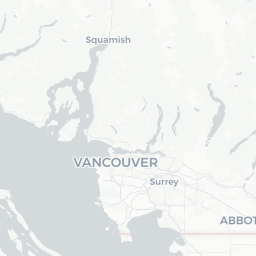
North Vancouver is a city of roughly 88,000 people situated on the north shore of Burrard Inlet, directly across the water from the City of Vancouver. Backed by the Coast Mountains and fronted by the inlet, it occupies one of the most dramatically scenic urban settings in Canada. It is distinct from the District of North Vancouver, which surrounds it, though the two share infrastructure and attractions.
The city functions simultaneously as a working waterfront community — with an active shipyard and rail yard — and as a gateway to some of the most accessible wilderness in any major metropolitan area. Residents and visitors can move from sea-level coffee shops to forested mountain trails within twenty minutes.
Lonsdale Avenue is the city's commercial and cultural spine, running from the waterfront Lonsdale Quay up into residential hillside neighbourhoods. The Quay itself is a public market and transit hub where the SeaBus from downtown Vancouver docks, making North Vancouver unusually well connected to the city across the water.
For travelers, North Vancouver serves best as a combination of urban base and outdoor launching pad. The food scene, accommodation options, and transit connections are solid without the density or cost of central Vancouver, while trailheads, ski areas, and provincial parks are genuinely close.
Before You Go
Visas and Entry
Canada's entry requirements vary significantly depending on your passport and travel history. Do not rely on generalized advice. Check TravelerPulse's Visas section and the official Immigration, Refugees and Citizenship Canada (IRCC) website well in advance of travel.
When to Go
- Summer (June–September): Long daylight hours, warm and mostly dry weather, ideal for hiking, cycling, and water activities. This is peak season; trails and parks can be crowded on weekends.
- Winter (December–March): Grouse Mountain and Mount Seymour operate as ski and snowshoe destinations. The city itself rarely sees heavy snow at sea level, but rain is frequent.
- Shoulder seasons (April–May, October–November): Fewer crowds, green forest landscapes, and quieter trails, though weather is unpredictable. Waterproof layers are essential.
What to Pack
Layered, waterproof outerwear is useful year-round. Sturdy footwear matters if you plan to hike. For winter mountain visits, bring or rent appropriate gear locally.
Getting There
By Air
Vancouver International Airport (YVR) in Richmond is the primary international gateway for the region. From YVR, travelers typically travel into central Vancouver first and then cross to North Vancouver by SeaBus or road. The SkyTrain Canada Line connects YVR to downtown Vancouver; verify current transit connections and schedules at TransLink's official site.
SeaBus from Downtown Vancouver
The SeaBus passenger ferry operates frequently between Waterfront Station in downtown Vancouver and Lonsdale Quay in North Vancouver. The crossing takes approximately 12 minutes and is part of the TransLink transit system, meaning a standard transit fare applies. It is the most scenic and often fastest route between the two city centres. Verify current schedules and fares on the TransLink website.
By Road
North Vancouver is connected to Vancouver via the Lions Gate Bridge (Highway 99) and the Ironworkers Memorial Bridge (Highway 1). Both bridges experience significant congestion during weekday rush hours and on summer weekends when recreation traffic peaks. If driving from elsewhere in British Columbia, the Trans-Canada Highway (Highway 1) enters the region via the Ironworkers Memorial Bridge.
Getting Around
Public Transit
TransLink operates bus routes throughout North Vancouver connecting Lonsdale Quay to residential neighbourhoods, trailheads, and regional destinations. The Quay serves as the main local transit hub. Verify routes and schedules at translink.ca.
On Foot
Lower Lonsdale and the areas immediately surrounding Lonsdale Quay are walkable. Lonsdale Avenue itself is pleasant for walking, though the hill becomes steep as you move north. Many trailhead areas require driving or a bus transfer.
Cycling
The Lonsdale corridor and the Spirit Trail multi-use path along the waterfront are accessible by bicycle. The terrain rises sharply toward the mountains, which limits practical cycling for casual visitors in those areas. Bike rentals are available locally — verify current operators on arrival.
Car and Rideshare
A car is helpful for reaching ski areas, provincial parks, and trailheads not well served by transit. Rideshare services operating in Metro Vancouver generally serve North Vancouver; verify availability in the app of your choice.
Things to See & Do
Hiking
North Vancouver's trail network is one of its defining features. The Baden-Powell Trail traverses the North Shore mountains and passes through the city. Fromme Mountain and its network of mountain bike and hiking trails are accessible from the Lynn Valley area. Lynn Headwaters Regional Park, managed by Metro Vancouver, offers canyon walks and forested trails suitable for a range of fitness levels. Check Metro Vancouver Parks for current trail conditions and closures before visiting.
Grouse Mountain
Grouse Mountain is a major regional attraction visible from much of the city below. A gondola ascends to the summit, where skiing and snowshoeing operate in winter and hiking, wildlife viewing (resident grizzly bears in an open habitat), and a lumberjack show are offered in summer. Fees apply; verify current admission prices and seasonal operations at grousemountain.com.
Capilano Suspension Bridge Park
This private attraction includes a long suspension bridge spanning the Capilano River canyon, a treetops adventure through elevated walkways, and a cliffwalk. It is one of the most visited attractions in Metro Vancouver and can be busy. Admission fees apply; verify current pricing at the official site.
Lynn Canyon Park
Lynn Canyon Ecology Centre and the suspension bridge within Lynn Canyon Park are free to visit and managed by Metro Vancouver. The canyon, waterfalls, and old-growth forest make it a compelling alternative or complement to Capilano. Swimming in the canyon pools has historically been popular but carries real risk — follow posted safety notices carefully.
Lonsdale Quay Public Market
The ground-floor market at Lonsdale Quay houses produce vendors, specialty food stalls, and a food court. The upper floors include shops and a hotel. It is a practical stop as well as a pleasant place to spend an hour, particularly for travelers arriving by SeaBus.
Food & Drink
North Vancouver's dining scene is concentrated along Lonsdale Avenue and in Lower Lonsdale, the neighbourhood surrounding the Quay. The range runs from casual pubs and ramen shops to sit-down restaurants with mountain or inlet views. Local seafood — particularly Pacific salmon, halibut, and Dungeness crab — appears frequently on menus and is worth seeking out.
The craft brewery scene in Metro Vancouver extends to North Vancouver. Several breweries operate in the city and the surrounding district, some with taprooms open to the public. Hours and offerings vary; verify locally.
Lonsdale Quay's food market is a practical option for fresh provisions, ready-made food, and local specialty products including smoked salmon that travels well. For a more neighbourhood feel, exploring the blocks north of the Quay along Lonsdale Avenue yields a mix of independent cafés, bakeries, and restaurants popular with locals.
Practical Information
Emergency Services
In any emergency in Canada, dial 911 for police, fire, or ambulance.
Health
BC's provincial health system covers residents; visitors should carry comprehensive travel health insurance. Walk-in clinics operate in North Vancouver — verify locations and hours locally or through BC's 811 HealthLink service.
Money
Most businesses accept major credit and debit cards. Cash machines (ATMs) are widely available. Tipping is customary in restaurants and taxis, typically 15–20% of the pre-tax bill.
Connectivity
Free public Wi-Fi is available at Lonsdale Quay and some public spaces. Canadian mobile roaming costs vary significantly by carrier; consider a local SIM or verify your plan's Canada coverage before arrival.
Useful Resources
- City of North Vancouver official site: cnv.org
- Metro Vancouver Parks (trails and regional parks): metrovancouver.org
- TransLink (transit): translink.ca
- Tourism Vancouver (regional visitor information): tourismvancouver.com
Safety
North Vancouver is generally a safe destination. Standard urban precautions apply in busy areas like the Quay and Lonsdale Avenue, particularly in the evening.
The primary safety considerations are environmental. Trails can change conditions rapidly — summer heat, winter ice, and unpredictable rain at any season create real hazards. Tell someone your plans before hiking. Carry water, a map or downloaded offline trail data, and appropriate layers. Hypothermia is a risk even in summer at higher elevations if weather changes.
Wildlife encounters are possible, particularly on forested trails. Black bears are present in the North Shore mountains. Follow BC's WildSafeBC guidelines: make noise on trails, never approach or feed wildlife, and know how to respond to an encounter. Bear spray is available at outdoor retailers and is worth considering for remote trails.
Swimming in canyon pools, particularly in Lynn Canyon, has been associated with drownings. Only swim where it is designated as safe, never alone, and heed all posted warnings.