Overview
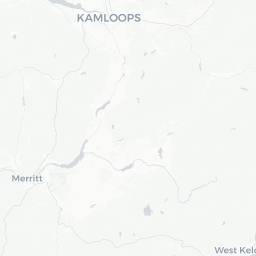
Kamloops sits at the confluence of the North and South Thompson Rivers in the interior of British Columbia, roughly midway between Vancouver and Calgary on the Trans-Canada Highway. With a population of around 104,000, it is the largest city in BC's interior and serves as a regional hub for commerce, healthcare, and recreation.
The surrounding terrain is distinctly semi-arid — sagebrush benches, brown hills, and river valleys — setting Kamloops apart visually from the wetter, forested regions of coastal BC. This geography drives much of the city's appeal: long, sunny summers make it one of the sunniest cities in the province, and the varied landscape supports hiking, mountain biking, fishing, golf, and water sports.
Kamloops is not a heavily touristed city, which means visitors encounter an authentic working city with genuine local restaurants, independent shops, and uncrowded trails. It rewards travelers who look beyond the highway interchange and engage with the landscape and communities that define the region.
Before You Go
Visas and Entry
Canada's entry requirements vary by nationality. Visitors may need a visitor visa (Temporary Resident Visa) or an Electronic Travel Authorization (eTA) depending on their passport. Check TravelerPulse's Visas section and the official Immigration, Refugees and Citizenship Canada (IRCC) website for current requirements before booking.
Climate
Kamloops has a semi-arid climate with hot, dry summers and cold but generally low-snowfall winters in the city itself. Summer daytime temperatures regularly exceed 30 °C (86 °F), sometimes reaching 35 °C or higher. Pack sunscreen and carry water if you plan to spend time outdoors. Winters are cold with limited snow in the valley, though Sun Peaks — about 55 km northeast — receives substantial snowfall.
Health and Insurance
Canada does not provide free healthcare to visitors. Comprehensive travel health insurance is strongly recommended. Bring any prescription medications in their original labelled containers, with a copy of your prescription.
Connectivity
Major Canadian carriers (Rogers, Bell, Telus) provide coverage in Kamloops. International travelers should verify roaming costs or consider a local SIM. Many hotels, cafés, and the downtown core offer Wi-Fi.
Getting There
By Air
Kamloops Airport (YKA) is a regional airport served by Air Canada and WestJet with direct or one-stop connections to Vancouver, Calgary, and other Canadian cities. Check airline sites directly for current schedules and fares.
By Road
Kamloops is easily reached by car or bus. The Trans-Canada Highway (Highway 1) passes directly through the city, connecting it to Vancouver (roughly 355 km west) and points east. Highway 5 (the Coquihalla Highway) provides a faster toll-free route from the Lower Mainland. BC Transit and private coach operators including Greyhound Canada successors serve intercity routes — verify current operators and schedules locally, as service has changed in recent years.
By Rail
VIA Rail's transcontinental Canadian stops at Kamloops North station on the Toronto–Vancouver route. Rocky Mountaineer also passes through on select routes. Rail travel here is generally scenic and leisurely rather than a fast commuter option; confirm schedules and booking directly with the operators.
Getting Around
Kamloops is a car-friendly city and having a vehicle gives you the most flexibility, particularly for reaching trailheads, Sun Peaks, and surrounding areas. Car rentals are available at the airport and in the city — verify availability with rental agencies directly.
BC Transit operates local bus service within Kamloops. Routes cover most of the urban area, though service frequency can be limited on some routes and during evenings. Check BC Transit's website for current route maps and schedules.
The downtown core and the riverfront are walkable and relatively compact. Cycling is a realistic option within the city; Kamloops has invested in trail infrastructure, though some routes are hilly. Rideshare apps may operate in the area — verify availability on arrival.
Things to See & Do
Outdoor Recreation
The Kamloops trail network is a legitimate draw for hikers and mountain bikers. Kenna Cartwright Park, one of the largest municipal parks in BC, offers trails through sagebrush and pine with views over the city. The Lac du Bois Grasslands Protected Area north of the city preserves a rare semi-arid ecosystem worth exploring on foot or by horse. The Thompson River and nearby lakes — including Kamloops Lake — attract anglers (the region is known for rainbow trout), paddlers, and boaters in summer.
Sun Peaks Resort
Located approximately 55 km northeast of Kamloops, Sun Peaks is BC's second-largest ski resort by terrain, offering alpine skiing, snowboarding, and cross-country skiing in winter. In summer the resort transitions to mountain biking, hiking, and sightseeing. Confirm road conditions and resort operating status before heading up, particularly in shoulder seasons.
Culture and History
- Kamloops Museum and Archives — covers regional Indigenous history, the fur trade, and the development of the ranching and railway industries. Verify current hours on the City of Kamloops website.
- Secwépemc Museum and Heritage Park — operated by the Tk'emlúps te Secwépemc First Nation, this site offers insight into the culture and history of the Secwépemc people, whose traditional territory includes the Kamloops area.
- Kamloops Art Gallery — a public gallery presenting exhibitions by regional and national artists. Verify admission and hours directly.
Golf
The semi-arid climate and long summers make Kamloops a regional golf destination. Several courses operate in and around the city; verify current conditions and booking with individual courses.
Food & Drink
Kamloops has a food scene that punches above its size, with a growing number of independent restaurants, breweries, and food producers drawing on regional ingredients.
Local Highlights
- Craft beer — several local breweries operate in Kamloops, producing a range of styles. The downtown area and revitalized Riverside Drive corridor have become focal points. Walk-in taprooms are common; hours vary.
- Thompson-Okanagan wine influence — while the Okanagan wine region is centred further south, wine produced in BC is widely available in Kamloops restaurants and the BC Liquor Store.
- Ranching heritage — the interior's cattle ranching history means quality beef features prominently in local menus.
Practical Notes
Restaurant hours and seasonal closures vary. A standard dining tip in Canada is 15–20% before tax. The BC Liquor Store is the primary retail outlet for beer, wine, and spirits; hours and locations can be verified on the BC Liquor Stores website.
Practical Information
Emergency Services
In any emergency in Canada, dial 911 for police, fire, or ambulance.
Money
ATMs are widely available in Kamloops. Major credit and debit cards are accepted at most businesses. Canada's federal GST (5%) and BC's PST (7%) apply to most purchases; combined, most goods and services carry a 12% tax. Some accommodation charges may include additional levies — verify at booking.
Tipping
Tipping is standard practice in Canada. Restaurants: 15–20%; taxis and rideshares: 10–15%; hotel housekeeping: at your discretion.
Useful Contacts
- Tourism Kamloops maintains a visitor information centre — verify current location and hours on their official website.
- The City of Kamloops website (kamloops.ca) provides information on parks, transit, and municipal services.
Safety
Kamloops is generally a safe city for travelers. As with any mid-sized Canadian city, normal urban awareness is appropriate — be mindful of your belongings in busy public areas and secure valuables in your vehicle.
Outdoor activities carry inherent risks. If hiking in summer, the semi-arid heat can be intense; carry more water than you think you need, and let someone know your plans on longer outings. Rattlesnakes (Western rattlesnake) are present in the dry grasslands and rocky terrain around Kamloops — watch where you step and place your hands when scrambling. Bear awareness is relevant in forested areas and near Sun Peaks.
Wildfires are a reality in interior BC during summer. Check BC Wildfire Service updates (bcwildfire.ca) if traveling between June and September, as road closures and air quality advisories can affect the region.