Translate
Overview
Rossland is a small mountain city of roughly 4,000 people in the Kootenay Boundary region of southern British Columbia, perched at around 1,000 metres elevation in the Monashee Mountains near the Washington State border. Despite its modest size, it punches well above its weight as an outdoor recreation destination, drawing skiers, mountain bikers, and hikers from across North America and beyond.
The town was founded during the silver-and-gold rush of the 1890s, and that legacy is still visible in its Victorian-era downtown architecture, heritage museum, and the tunnels that honeycomb the hillsides beneath it. Today, Rossland balances a lived-in small-town character with a genuine outdoor culture — residents here tend to be athletes and enthusiasts, and that energy shapes the local cafés, gear shops, and community events.
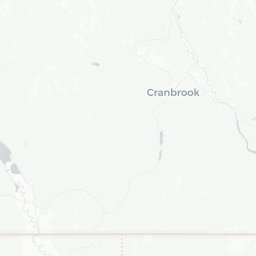
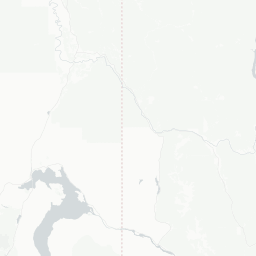
Rossland sits roughly 10 km north of Trail, BC (which has more commercial services) and about 30 km from the Canada–US border crossing at Paterson/Cascade. Its isolation is part of the appeal: the mountains feel immediate, the crowds are manageable, and the pace is unhurried.
Before You Go
Visas and Entry
Rossland is in Canada. Entry requirements vary by nationality. Check TravelerPulse's Visas section and the official Immigration, Refugees and Citizenship Canada (IRCC) website for current requirements before you travel. If arriving from or travelling to the United States, be aware of border crossing hours and requirements on both sides.
When to Go
- Winter (Dec–Mar): Red Mountain Resort typically opens in late November or December, conditions permitting. Snowpack is generally deep and the resort is known for challenging, uncrowded terrain.
- Summer (Jun–Sep): Mountain biking season peaks July through August. Trails can be muddy in early June. Wildfire smoke is possible in July–August; check air quality forecasts.
- Shoulder seasons (Apr–May, Oct–Nov): Trails may be inaccessible due to snow or mud. Some local businesses operate reduced hours or close entirely.
What to Pack
Year-round layers are advisable given elevation. Winters are cold and snowy; good base layers and waterproof outerwear are essential. Summers are warm but evenings cool quickly. Sunscreen and a dust mask or buff are useful for dry-season trail riding.
Getting There
Rossland has no commercial air service of its own. The most practical approach for most travellers is to fly into Castlegar Airport (YCG), about 35 km away, which receives scheduled service from Vancouver (verify current carriers and schedules on the airport's official site or with airlines directly). Spokane International Airport (GEG) in Washington State is a larger alternative roughly 150 km to the south, offering more flight options, though you will need to cross the international border.
By road, Rossland is accessed via Highway 3B from Trail and the broader Highway 3 (Crowsnest Highway) corridor. The drive from Kelowna takes approximately 3.5–4 hours; from Vancouver, expect 6–7 hours depending on conditions and the route chosen. Mountain passes can be affected by snow and ice from October through April — check DriveBC (drivebc.ca) for road conditions before departing.
There is no scheduled intercity bus service directly into Rossland at this time; verify locally whether any shuttle or regional transit options have since been introduced. A personal vehicle or rental car is the most practical option for getting around once you arrive, as the town and surrounding trail network are spread out.
Getting Around
Rossland's compact downtown is walkable, and many visitors on foot can reach the main commercial strip, the museum, and even some trailheads without a vehicle. That said, to reach Red Mountain Resort (about 2 km from town centre), trailheads further afield, or the neighbouring city of Trail for additional services, a car is very useful.
During the ski season, Red Mountain Resort operates a shuttle between the resort base and downtown Rossland — verify the current schedule and any cost directly with the resort before relying on it. Biking is popular locally; many visitors arrive with their own bikes or arrange rentals through local shops (verify availability seasonally).
There is no local public transit system within Rossland itself.
Things to See & Do
Skiing and Snowboarding — Red Mountain Resort
Red Mountain is the dominant winter draw. It operates across two peaks — Red Mountain and Granite Mountain — with terrain suited to intermediate and advanced skiers and riders. The resort is known for deep powder, gladed runs, and a comparatively relaxed atmosphere versus larger destination resorts. Lift tickets, rental equipment, and lessons are available; check the resort's official website (redresort.com) for current pricing, hours, and conditions.
Mountain Biking
Rossland is a founding member of the BC Bike Race circuit and has been recognised as one of Canada's premier mountain bike destinations. The Seven Summits Trail is a standout multi-hour alpine ridge ride with panoramic views; it is best attempted by fit, experienced riders with navigation skills. The Rossland trail network also includes beginner and intermediate options closer to town. The local trail society (Rossland Trail Society) maintains routes and publishes current trail conditions — check their resources before heading out.
Rossland Museum & Discovery Centre
This community museum covers the city's gold-rush history and offers tours of historic mine tunnels beneath the hill. It is a genuine and worthwhile stop for context on what shaped the town. Verify current opening hours and admission fees directly with the museum before visiting.
Hiking
Beyond biking season, many trails around Rossland are excellent for hiking. The alpine terrain above the townsite offers accessible wilderness for day trips. Trail conditions and seasonal closures should be confirmed with local sources or BC Parks before setting out.
Cross-Country Skiing and Snowshoeing
The area around Rossland has groomed cross-country ski trails in winter. Verify current grooming status and any access fees locally or through the relevant trail organisations.
Food & Drink
Rossland's dining scene is small but reflects its outdoor-community character — expect casual spots oriented toward hearty, wholesome food rather than fine dining. The downtown strip has cafés, pubs, and a handful of restaurants. Options expand in Trail, a 15-minute drive away.
Because businesses in small mountain towns change frequently, we recommend verifying specific restaurant names and hours locally or via current review platforms before planning meals around them. The Rossland Visitor Centre or local social media groups can provide up-to-date recommendations.
Grocery supplies are available in Rossland for self-catering, and Trail has additional supermarket options for stocking up.
Practical Information
Money
Rossland uses Canadian dollars. There are ATMs in town; verify locations locally. Credit cards are accepted at most businesses, but carry some cash for smaller vendors and trail-day situations.
Connectivity
Cell coverage and internet access are generally available in the townsite, though connectivity can be patchy on trails and in the backcountry. Download offline maps before heading into the hills.
Emergency Services
Rossland has RCMP (police) and fire services. The nearest hospital with full emergency services is Kootenay Boundary Regional Hospital in Trail. For life-threatening emergencies in Canada, dial 911.
Altitude and Mountain Hazards
At roughly 1,000 m elevation in town, and considerably higher on surrounding trails and lifts, visitors coming from low elevations should allow a day to acclimatise before hard exertion. Mountain weather changes rapidly; carry extra layers, water, and a map whenever heading into the backcountry.
Pet-Friendliness
Many trails in the area allow leashed dogs; confirm rules for specific trails and the ski resort before bringing pets.
Safety
Rossland is a low-crime community. Standard travel precautions apply: secure valuables in vehicles out of sight, particularly at trailhead parking areas.
The primary safety considerations here are outdoor and environmental. Avalanche risk is real in winter backcountry terrain around Red Mountain and the surrounding ranges. Anyone venturing off-piste or into the backcountry should carry appropriate avalanche safety equipment (transceiver, probe, shovel), know how to use it, and check Avalanche Canada (avalanche.ca) forecasts before every outing.
Summer mountain biking and hiking carry inherent risks. Inform someone of your route and expected return time. Carry a first aid kit, sufficient water, and a charged mobile device (noting that coverage is unreliable off-trail). Encounters with wildlife including black bears are possible; carry bear spray and know how to use it.