Overview
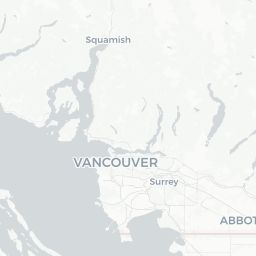
Whistler sits roughly 125 km north of Vancouver along the Sea-to-Sky Highway (BC-99), in a steep valley flanked by Whistler Mountain and Blackcomb Mountain. With a permanent population of under 9,000, the town punches well above its size in international recognition, partly because it co-hosted sliding and alpine events during the 2010 Winter Olympics.
Whistler Village is genuinely compact and largely pedestrianised, meaning most accommodation, restaurants, and lift access are within comfortable walking distance of one another. The surrounding mountains offer terrain for beginners through to expert-level athletes in both winter and summer. The valley also contains several First Nations territories — notably the Lil'wat Nation and Squamish Nation — whose cultural presence is reflected in local institutions and land stewardship.
Despite its resort identity, Whistler sits within the broader landscape of Garibaldi Provincial Park and Sea-to-Sky backcountry, making it a genuine base for wilderness experiences, not only groomed-trail recreation. Weather and road conditions can change rapidly year-round, so checking conditions before any outdoor activity is essential.
Before You Go
Visas and Entry
Entry requirements to Canada vary by nationality and travel document type. For specific visa guidance, visit TravelerPulse's Visas section and consult Immigration, Refugees and Citizenship Canada (IRCC) at the official government website. Many visitors also need an Electronic Travel Authorization (eTA) or a visitor visa — verify which applies to you before booking.
When to Go
- Winter (December–March): Peak ski season. Expect the highest accommodation prices and fullest village atmosphere. Snowfall is generally reliable but can vary; always check mountain snow reports before travelling.
- Spring (April–May): Shoulder season. Skiing winds down (Whistler Blackcomb typically operates into late April or May depending on conditions), prices drop, and the village is quieter.
- Summer (July–September): The mountain bike park opens, hiking trails become accessible, and outdoor festivals animate the village. Temperatures are mild to warm; afternoon thunderstorms are possible.
- Fall (October–November): Another shoulder period. Some facilities have reduced hours; early-season snowfall can arrive in November.
What to Pack
Layering is essential in all seasons. Even in summer, temperatures at elevation can drop sharply. Waterproof outerwear is advisable year-round. Sunscreen and glacier goggles matter in winter as UV exposure is high on snow.
Getting There
By Air
The nearest international airport is Vancouver International Airport (YVR), approximately 130 km south. From YVR, most visitors travel onward by road. There is no commercial airport in Whistler; a small airstrip exists for chartered and private aircraft — verify access and availability directly with operators.
By Road
BC Highway 99 (the Sea-to-Sky Highway) connects Vancouver to Whistler. The drive typically takes 1.5–2.5 hours depending on traffic, weather, and road conditions. The highway is scenic but includes narrow sections and mountain grades. Winter driving requires approved winter tires (BC regulations apply seasonally); verify current requirements with DriveBC before travel. Road condition updates are available through DriveBC.
By Bus
Scheduled coach service runs between Vancouver (Pacific Central Station and Vancouver International Airport) and Whistler Village. Operators and schedules change; verify current options and fares directly with carriers or at the official Whistler tourism site. Book in advance during peak season.
By Train
There is no regular passenger rail service to Whistler.
Getting Around
Whistler Village and the adjacent Village North and Upper Village areas are walkable and pedestrian-friendly. Most visitors do not need a vehicle once they arrive, which is one of the resort's deliberate design features.
The Whistler Transit System operates local bus routes connecting the village to surrounding neighbourhoods including Creekside, Function Junction, and residential areas. Fares and schedules are managed by BC Transit — verify current information at bctransit.com or locally.
The PEAK 2 PEAK Gondola connects Whistler Mountain and Blackcomb Mountain and is a major transportation link between the two peaks in both winter and summer. Access typically requires a lift ticket or sightseeing pass — verify pricing at the Whistler Blackcomb website.
For destinations outside the village, a rental car or rideshare may be useful. Parking is available at day lots but fills quickly during peak periods; arriving early or using transit is advisable.
Where to Stay
Accommodation in Whistler ranges from large ski-in/ski-out hotel complexes and condominium-hotels to smaller boutique lodges and private vacation rentals. The village is zoned to concentrate lodging close to the lifts and village amenities, so location within the resort matters less than in a spread-out city.
Pricing is highly seasonal. Peak ski weeks (Christmas–New Year, February school breaks, spring break) command the highest rates. Summer is increasingly busy; shoulder seasons (April–May, October–November) offer the lowest rates. Booking several months in advance is advisable for peak periods.
Many condo-style properties include kitchens, which can reduce food costs on longer stays. Verify cancellation policies carefully, as mountain-resort properties often have stricter terms during peak periods.
Alternatively, staying in Squamish (about 60 km south) offers lower accommodation costs with day-trip access to Whistler, though this requires reliable transport and adds driving time on a sometimes-congested highway.
Things to See & Do
Winter Activities
- Skiing and Snowboarding: Whistler Blackcomb is consistently rated among North America's largest ski resorts by skiable terrain. The mountain suits all ability levels. Lift tickets, rentals, and lessons are available on-site; book in advance during peak weeks.
- Cross-Country Skiing and Snowshoeing: The Whistler Olympic Park (site of 2010 biathlon and cross-country events) and Lost Lake Park offer groomed trails. Verify operating conditions locally.
- Bobsled and Skeleton Experiences: The Whistler Sliding Centre, built for the 2010 Games, occasionally offers public passenger experiences on the bobsled track. Verify availability and scheduling directly with the venue.
- Ice Skating: An outdoor rink operates seasonally in Whistler Village; hours and conditions vary.
Summer Activities
- Mountain Biking: The Whistler Mountain Bike Park is one of the most visited lift-accessed bike parks in the world, offering trails ranging from beginner flow trails to technical expert lines. Helmets and appropriate protective gear are strongly recommended.
- Hiking: Dozens of marked trails range from valley-floor walks to multi-day backcountry routes in Garibaldi Provincial Park. Always carry a map, water, and weather-appropriate layers; inform someone of your route.
- Golf: Several courses operate in the valley during summer. Verify availability and booking requirements locally.
- River Activities: Guided whitewater rafting and river tubing operate on local rivers seasonally; verify operators through Tourism Whistler.
Cultural and Year-Round
- Squamish Lil'wat Cultural Centre: A purpose-built cultural centre presenting the shared and distinct histories, art, and traditions of the Squamish and Lil'wat Nations. Visiting supports Indigenous-led cultural programming.
- Audain Art Museum: A privately endowed permanent collection with a notable focus on British Columbia artists, housed in a purpose-designed building. Verify admission fees and hours directly with the museum.
- Festivals: Whistler hosts seasonal events including Crankworx (mountain biking, summer) and various music and film events. Verify dates and lineups annually.
Food & Drink
Whistler's dining scene is broad for a small mountain town, reflecting its international visitor base. The village and surrounding areas include casual après-ski pubs, mid-range bistros, and upscale dining rooms. Expect resort-town pricing across most categories.
Several restaurants emphasise Pacific Northwest ingredients — seafood, wild mushrooms, local game — and seasonal menus. Gluten-free, vegetarian, and vegan options are generally available at most mid-range and upscale establishments, though it is worth confirming when booking.
Àpres-ski culture is well-established; numerous bars and patios adjacent to the lifts fill quickly in the late afternoon during ski season. The legal drinking age in British Columbia is 19. Craft beer from regional BC breweries is widely available. BC wines (particularly from the Okanagan Valley) appear on many lists.
Grocery shopping is available in the village for self-catering; prices reflect the resort location. A larger supermarket is located in Function Junction, south of the village core — useful for longer stays.
Practical Information
Money
Canadian dollars are the only accepted currency. ATMs are available throughout the village. Credit and debit cards are widely accepted. Tipping (15–20% for restaurant service, 10–15% for other services) is customary in Canada.
Connectivity
Wi-Fi is available in most accommodation and many public areas of the village. Cell coverage is generally good in the village core but can be limited or absent in backcountry areas and on some mountain terrain.
Emergency Services
In any emergency, dial 911. The Whistler Health Care Centre provides emergency medical services; for serious trauma, patients may be transferred to facilities in Vancouver. Travel insurance with medical evacuation coverage is strongly recommended, particularly for adventure activities.
Altitude and Physical Preparation
Whistler Village sits at roughly 675 m elevation; mountain peaks reach above 2,180 m. Most visitors do not experience altitude-related issues at these elevations, but individuals with cardiac or respiratory conditions should consult a physician before strenuous activity at elevation.
Cannabis
Recreational cannabis is legal in British Columbia for adults 19 and over. Consumption in public spaces is subject to provincial and municipal restrictions. It is illegal to transport cannabis across international borders.
Pets
Many accommodation properties have pet policies — verify before booking. Trails within Garibaldi Provincial Park have rules regarding dogs; check BC Parks guidelines.
Safety
Whistler is generally a safe destination. Crime rates are low relative to most urban centres. Standard precautions — securing valuables, not leaving belongings unattended — apply.
The primary safety considerations in Whistler relate to outdoor and mountain activities. Avalanche risk is real in backcountry terrain; anyone travelling outside marked ski area boundaries should carry avalanche safety equipment (beacon, probe, shovel), have formal avalanche training, and check Avalanche Canada's regional forecasts (avalanche.ca). This is not optional safety theatre — avalanche fatalities occur in the Sea-to-Sky region.
On ski runs, collisions and falls are the most common sources of injury. Wearing a helmet is strongly recommended and is now standard practice on the mountain. Ski and snowboard within your ability level, particularly on unfamiliar terrain.
Summer hiking carries its own risks: weather changes rapidly, trails can be slippery, and wildlife including black bears is present in the area. Follow BC Parks bear safety guidelines — carry bear spray, make noise, and store food properly. Inform someone of your itinerary on backcountry hikes.
Local Culture & Etiquette
Whistler's modern identity as a resort town emerged largely in the 1960s and developed rapidly through the following decades, but the land has been home to the Squamish (Sḵwx̱wú7mesh) and Lil'wat (Líl̓wat) peoples for thousands of years. Both nations maintain an active cultural and governance presence in the area. The Squamish Lil'wat Cultural Centre in the village provides an accessible and respectful entry point for visitors wishing to understand this history.
The resort community has a distinctly international character — seasonal workers from across Canada and around the world give Whistler a transient, multicultural atmosphere that differentiates it from nearby BC communities. English is the dominant language, but French, Japanese, Australian English, and many European languages are commonly heard in the village.
As with many ski resorts, Whistler's culture has historically centred on youth, athleticism, and outdoor pursuits. This is evolving; the village increasingly attracts families, older travellers, and visitors whose primary interest is scenery, spas, or arts rather than sport. Respectful, low-key behaviour in shared village spaces is expected and appreciated by residents.