Overview
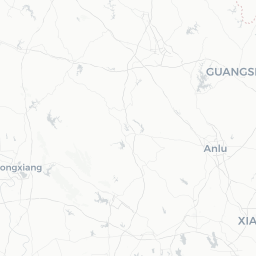
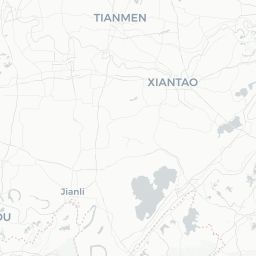
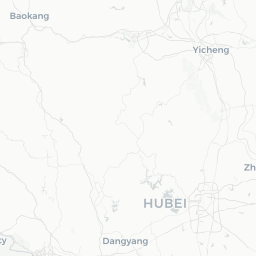
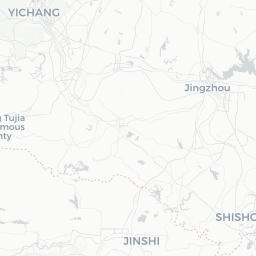
Yongfeng is a small township-level locality in Hubei Province, situated close to Wuhan — China's major central inland city. Its coordinates place it northwest of Wuhan's urban core, in the broader Jianghan Plain region, which is characterized by flat agricultural land, rivers, and lakes typical of central Hubei.
This is not a major tourist destination in the conventional sense. Visitors are typically drawn here for very specific reasons: exploring the rural periphery of greater Wuhan, visiting family or business contacts, or passing through en route to nearby areas. As such, Yongfeng rewards travelers who appreciate quiet, everyday Chinese township life over curated attractions.
The area reflects the agricultural character of Hubei's hinterland — rice cultivation, vegetable farming, and freshwater fishing are common livelihoods. Locals tend to follow the routines of a working township, and the atmosphere is noticeably calmer than Wuhan proper.
Before You Go
Visas
China has specific entry requirements that vary significantly by nationality, including visa-on-arrival schemes, transit exemptions, and mutual visa-free agreements that are subject to change. Do not rely on secondhand information. Check TravelerPulse's Visas section for general guidance, then verify current rules with the official Chinese immigration authority or your nearest Chinese embassy or consulate before booking.
Practical preparation
- Language: English is rarely spoken in small townships like Yongfeng. Download an offline Chinese–English translation app (such as one that supports camera-based character recognition) before you arrive.
- Cash: While mobile payment (Alipay, WeChat Pay) dominates transactions in China, small local vendors may prefer cash. Foreign visitors have faced hurdles linking overseas cards to Chinese payment apps — verify the current process before relying on them. Carry some CNY in cash.
- Connectivity: A Chinese SIM card or an international roaming plan is essential. Note that many Western apps and websites are inaccessible in China without a VPN; download and test any VPN before entering the country, as installing one once inside is more difficult.
- Maps: Baidu Maps is far more accurate for small Chinese localities than international mapping apps.
Getting There
Yongfeng is most practically accessed via Wuhan, which has excellent national and international transport links.
From Wuhan
- Wuhan Tianhe International Airport is the nearest major airport, serving domestic and international routes. From the airport, travelers would need to continue to Yongfeng by road.
- High-speed rail: Wuhan is a central hub on China's high-speed rail network. However, Yongfeng itself does not appear to have its own high-speed rail station; verify locally whether a nearby station serves the area.
- By road: Local buses, taxis, or ride-hailing apps (Didi is the dominant platform in China) from Wuhan's urban districts are the most likely final approach. Journey times depend on your departure point within the greater Wuhan area — verify current routes and schedules locally or through the Didi app.
Given its small size, arriving by private vehicle or taxi arranged through Wuhan is the most flexible option.
Getting Around
Within Yongfeng itself, distances are manageable on foot for most areas. Local electric motorcycles and small vehicles are common sights on township roads.
- Didi (ride-hailing): Coverage can be patchy in smaller townships; verify whether Didi operates in this specific area, or arrange transport through your accommodation or a contact in Wuhan.
- Bicycles / e-bikes: Renting locally may be possible; ask at your accommodation.
- Walking: For a locality of this scale, walking is often the most practical way to explore the immediate area.
Things to See & Do
Yongfeng is a working township, not a packaged tourism destination. Set expectations accordingly — the experience here is about texture and ordinariness rather than landmark sights.
- Rural Hubei scenery: The flat farmland of the Jianghan Plain, with its patchwork of rice paddies, vegetable plots, and scattered ponds, offers a genuine picture of central China's agricultural heartland, particularly attractive in the green season (May–September).
- Local markets: Township markets in Hubei typically operate in the early morning and offer a window into local food culture — fresh produce, tofu, river fish, and snacks. Verify times locally.
- Day-trip base: Yongfeng's proximity to Wuhan makes it feasible to use as a quiet base while making day trips into the city, though most travelers do the reverse.
- Observe daily life: Tea houses, mahjong halls, and small noodle shops are social anchors of Hubei township life and welcoming to respectful visitors.
Food & Drink
Hubei cuisine (Echu cuisine) tends to be less internationally famous than Sichuan or Cantonese cooking but is hearty and deeply satisfying. The province's abundance of lakes and rivers means freshwater fish and crayfish (xiaolongxia) feature prominently.
What to look for locally
- Hot dry noodles (Re gan mian): Wuhan's iconic breakfast dish — thick alkaline noodles dressed with sesame paste, sesame oil, and pickled vegetables. Roadside stalls in the broader area often serve a version of this.
- Freshwater fish dishes: Steamed, braised, or in soup; the Jianghan Plain's network of lakes supplies local tables with carp, crucian, and other species.
- Tofu and fermented products: Rural Hubei townships often have small-scale tofu makers; fresh bean curd dishes appear on many local menus.
- Rice: Steamed rice is the staple at most meals in this region.
Restaurant menus will almost certainly be in Chinese only. A photo-based translation app is your best tool. Pricing at small local eateries is generally very modest by international standards, but verify bills directly.
Practical Information
Emergency contacts
China's national emergency numbers are: 110 (police), 120 (ambulance/medical), 119 (fire). These are consistent nationwide, but communication in English may be limited — if possible, have a Mandarin speaker assist.
Health
- Tap water is generally not safe to drink directly in Chinese townships. Bottled water or a reliable filtration system is standard practice.
- Travel health insurance that covers medical evacuation is strongly recommended for all travel in China.
- Check current vaccine recommendations with your home country's travel health service before departure.
Money
- ATMs accepting foreign cards are more common in Wuhan city than in small townships. Withdraw sufficient cash before heading to Yongfeng.
- Foreign card acceptance at merchants is limited in small localities.
Internet
Remember that Google services, WhatsApp, Instagram, Facebook, and many other platforms are inaccessible in mainland China. Plan your navigation, communication, and information-access strategy accordingly before arrival.
Safety
Yongfeng and the broader Wuhan periphery are generally considered safe for travelers in terms of petty crime and personal safety. Hubei's townships are typically low-key environments.
- Standard urban precautions apply: be aware of your belongings in crowded markets or transport hubs.
- Road safety: traffic behavior in Chinese townships can be unpredictable, with a mix of vehicles, electric bikes, and pedestrians sharing roads with variable adherence to lane discipline. Exercise caution when crossing roads.
- As in all of China, be aware that laws around political speech, photography of government or military installations, and VPN use exist and are enforced. Familiarize yourself with relevant regulations.
- Register with your country's embassy in Beijing or consulate in Wuhan if making an extended stay, as recommended by most governments.