Translate

Overview
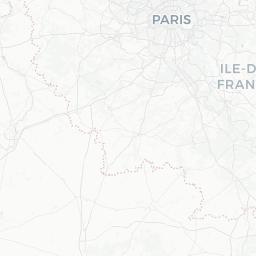
Corbeil-Essonnes is a commune of around 40,000 people located in the Essonne department of Île-de-France, roughly 30 kilometres south-southeast of central Paris. It sits at the confluence of the Seine and Essonne rivers, a geographic position that shaped its identity from the early Middle Ages onward. The town was historically significant as a milling centre — its riverside mills once supplied much of the bread grain for Paris — and later became an important industrial hub during the 19th and 20th centuries.
Today the city is primarily a residential and light-industrial commune within the Greater Paris orbit. It is not a major tourist destination in the traditional sense, but it rewards curious travellers interested in vernacular French urban life, river scenery, and a handful of genuine historic monuments. Visitors passing through or staying in the area will find an honest, working French town with local markets, riverside walks, and convenient rail links to central Paris and the surrounding region.
Corbeil-Essonnes is also notable as the birthplace of several French cultural figures and has a diverse, multicultural population that is reflected in its local food scene and street life. Expectations should be calibrated accordingly: this is everyday Île-de-France, not a curated heritage showcase.
Before You Go
Visas
France is a Schengen Area member. For specific visa requirements based on your nationality, consult TravelerPulse's Visas section and the official website of the French immigration authorities or your nearest French consulate.
Climate
Corbeil-Essonnes experiences a temperate oceanic climate typical of the Paris Basin. Summers (June–August) are mild to warm, generally ranging from around 15 °C to the mid-20s Celsius, with occasional hot spells. Winters are cool and grey, with temperatures rarely dropping far below freezing. Rain is distributed fairly evenly throughout the year, so a light waterproof layer is useful in any season.
Practical Preparation
- French is the language of daily life; basic French phrases are appreciated.
- The town is well integrated into the Paris Île-de-France transport network (Transilien and RER), so a Navigo travel card or individual tickets purchased in Paris are the most convenient way to arrive and move around.
- Most everyday shops, pharmacies, and services are present in the town centre. Larger retail and specialised shopping is easier in nearby Évry-Courcouronnes or Paris itself.
- Verify current opening hours for any monuments or museums locally before visiting, as these can change seasonally.
Getting There
By Rail
Corbeil-Essonnes is served by RER D, which connects directly to central Paris (Gare de Lyon and beyond) and to Melun to the south. The journey from Paris Gare de Lyon to Corbeil-Essonnes station typically takes around 35–45 minutes, though verify current timetables with Île-de-France Mobilités or SNCF. There is also a Transilien line serving the area; check locally for the most current routing.
By Road
The town is accessible by car via the A6 motorway (exit toward Évry) and the N7 national road. Driving from central Paris takes approximately 40–60 minutes depending on traffic, which can be heavy during peak hours on the A6. Parking in the town centre is generally available on-street and in small municipal car parks; verify current restrictions locally.
By Air
The nearest major airports are Paris-Orly (roughly 20 kilometres northwest) and Paris Charles de Gaulle (around 55 kilometres north). Both are connected to the RER network, from which onward travel to Corbeil-Essonnes via RER D is possible with a connection at Paris.
Getting Around
Corbeil-Essonnes is a compact enough town that the historic centre and riverside areas are walkable once you arrive. The town centre, the cathedral quarter, and the riverbanks can all be reached on foot from the main train station within a reasonable walk.
Local bus routes operated under the Île-de-France Mobilités network serve the town and connect it to neighbouring communes including Évry-Courcouronnes. Standard Île-de-France Mobilités ticketing applies; verify current routes and fares on the official Île-de-France Mobilités website or app.
Cycling is feasible along the riverside paths, and the region is increasingly well served by shared cycling infrastructure. Taxis and ride-hailing services operating in the greater Paris area also cover Corbeil-Essonnes.
Things to See & Do
Cathédrale Saint-Spire
The most significant monument in town is the Collegiate Church of Saint-Spire (Collégiale Saint-Spire), a Gothic structure begun in the 12th century and expanded over subsequent centuries. It holds classified historic monument status and is notable for fine stained glass and its long building history. Verify opening hours locally before visiting.
Riverside Walks
The confluence of the Seine and Essonne rivers is the town's defining natural feature. Walking along the riverbanks gives a sense of the geography that made Corbeil-Essonnes strategically and economically important for centuries. The promenades are pleasant in good weather and offer views of the river traffic that still uses the Seine.
Local Markets
Corbeil-Essonnes hosts regular outdoor markets where local produce, everyday goods, and a cross-section of the town's multicultural community are on display. Verify current market days and locations with the local mairie (town hall) or tourist information.
Nearby Excursions
The town's strongest suit as a base may be its access to the wider region. Fontainebleau, Vaux-le-Vicomte, and the forest of Sénart are all within easy reach by car or public transport, making Corbeil-Essonnes a practical if modest staging point for southern Île-de-France.
Food & Drink
The food scene in Corbeil-Essonnes reflects the town's multicultural character. Alongside traditional French brasseries and neighbourhood bistros, you will find North African, West African, and other international cuisines, particularly around the town centre and market areas. This diversity means it is possible to eat interesting, affordable food without travelling into Paris.
Bakeries (boulangeries) are present throughout the town and remain a reliable constant of French daily life — the quality of a local baguette is rarely disappointing. Supermarkets and small grocery shops cover everyday needs.
For a wider range of restaurants and dedicated dining destinations, the nearby city of Évry-Courcouronnes (effectively adjacent) offers more choice. Verify specific restaurant recommendations locally on arrival, as turnover in the dining scene can be high.
Practical Information
Emergency Numbers
In France, the general emergency number is 15 (SAMU, medical), 17 (police), and 18 (fire/rescue). The pan-European emergency number 112 also works from any phone.
Money
Euros are the currency. ATMs (distributeurs automatiques) are available in the town centre. Card payment is widely accepted in shops and restaurants, though carrying some cash remains useful for markets and smaller establishments.
Health
Pharmacies (identified by a green cross sign) are distributed across the town and can provide basic medical advice and over-the-counter medication. For more serious medical needs, verify the location of the nearest hospital or urgent care facility locally.
Connectivity
Mobile coverage in Corbeil-Essonnes is good, as expected within Île-de-France. Free Wi-Fi may be available in some public spaces; verify locally. French SIM cards or European roaming plans work normally here.
Tourist Information
The town is administered by the Mairie de Corbeil-Essonnes. For the most current local information — events, transport changes, monument hours — consult the official municipal website or contact the mairie directly.
Safety
Corbeil-Essonnes, like many mid-sized suburban French towns, has neighbourhoods with varying socioeconomic conditions. Visitors should exercise the standard urban awareness they would apply in any French city: be mindful of your surroundings, keep valuables secure, and avoid displaying expensive equipment unnecessarily in quieter or unfamiliar areas after dark.
The town centre and historic areas around Saint-Spire and the riverfront are generally unremarkable in terms of safety during the day. As with any destination, check current travel advisories from your government's foreign affairs or travel authority before departing, and verify any changed conditions locally on arrival.