Overview
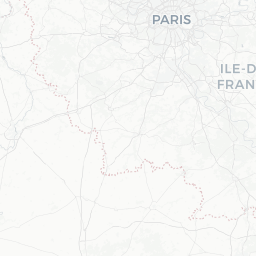
Évry (officially Évry-Courcouronnes since its 2019 merger with the neighbouring commune of Courcouronnes) is a city of around 52,000 people located roughly 30 km south of central Paris in the Essonne department, Île-de-France. It was built from scratch in the late 1960s and 1970s as one of France's five Villes Nouvelles — planned satellite cities designed to relieve population pressure on the capital. That origin gives Évry a strikingly different urban character from historic French towns: broad pedestrianised axes, large brutalist and postmodern housing complexes, and an intentionally grid-friendly layout.
The city is best known architecturally for the Cathédrale de la Résurrection, completed in 1995 and designed by Swiss architect Mario Botta. It is one of the very few cathedrals built in France in the twentieth century and stands out with its cylindrical brick form and rooftop ring of lime trees. Beyond that landmark, Évry appeals mainly to visitors interested in contemporary urban planning, everyday French suburban life, or those using the city as a base for the wider Essonne region.
Évry is a genuinely multicultural city with significant communities of African, North African, and Caribbean origin, which is reflected in its markets, restaurants, and social fabric. Visitors should approach it with curiosity rather than expecting a heritage-tourism destination — it offers an authentic, unvarnished look at modern suburban France.
Before You Go
Visas
France is a member of the Schengen Area. Visa requirements vary considerably by nationality. Check TravelerPulse's Visas section for general guidance and verify your specific requirements with the official French immigration authority (france-visas.gouv.fr) well in advance of travel.
What to Expect
Évry is a working city, not a tourist hub. English is less widely spoken here than in central Paris, so a few phrases of French are appreciated. The city centre (around the Agora shopping complex and the cathedral) is compact and walkable. Most sights can be covered in a morning or afternoon.
Connectivity and Money
Mobile coverage is generally good throughout the city. ATMs are available in the city centre and near the RER station. Most shops and restaurants accept card payments, but carrying a small amount of cash is advisable for markets and smaller independent businesses.
Getting There
From Paris by Train
Évry is directly served by the RER D line, which connects it to central Paris (Gare de Lyon, Châtelet–Les Halles, and Gare du Nord). The journey from Gare de Lyon takes approximately 30–40 minutes. The main station is Évry-Courcouronnes (formerly Évry Val de Seine). Check SNCF or Île-de-France Mobilités for current timetables and fares; a standard Île-de-France multi-zone ticket applies.
By Car
Évry is accessible via the A6 motorway (Autoroute du Soleil) from Paris, with a journey time of around 30–45 minutes outside peak hours. Traffic on the A6 can be heavy during morning and evening rush hours. Parking is available in the city centre; verify locally for current tariffs.
Nearest Airports
Paris-Orly (ORY) is the closest airport, approximately 20 km to the north. Paris Charles de Gaulle (CDG) is further away to the north of Paris. From Orly, the most practical route to Évry is by car or via a combination of the Orlyval shuttle and RER connections; verify current options with Île-de-France Mobilités.
Getting Around
The city centre of Évry is compact enough to explore largely on foot. The area around the Agora, the cathedral, and the main commercial streets is pedestrian-friendly.
Local buses operated by Transdev and coordinated under the Île-de-France Mobilités network serve the wider city and connect to surrounding communes. The same multi-zone Navigo pass or tickets used in Paris are valid here. Verify routes and schedules on the Île-de-France Mobilités website or app.
Cycling infrastructure has been expanded in recent years. Vélo Île-de-France and locally available bike-sharing schemes may be an option; verify current availability locally. Taxis and ride-hailing services (such as Uber) operate in the area.
Things to See & Do
Cathédrale de la Résurrection
The undisputed centrepiece of any visit to Évry, this Roman Catholic cathedral designed by Mario Botta is a striking piece of late-twentieth-century religious architecture. The circular brick structure is topped by a terrace planted with 24 lime trees — an unusual and visually memorable feature. The interior is austere and contemplative. Opening hours and any admission arrangements should be verified directly with the cathedral or locally upon arrival.
The Agora
The Agora is Évry's central civic and commercial complex — a large mixed-use structure that includes shops, cultural spaces, and public areas. It exemplifies the ambitious urban planning philosophy behind the Villes Nouvelles programme and is worth a walk-through to understand the original vision for the city.
Exploring the Urbanism
For visitors interested in urban planning, architecture, or social history, simply walking the main axes of Évry — observing the housing estates (grands ensembles), public art installations, and the relationship between pedestrian zones and traffic — is itself an educational experience. The city is studied by urban planners and architects as a key example of late-twentieth-century French urbanism.
Markets
Évry has regular outdoor markets where the multicultural character of the city is most apparent. Fresh produce, African and North African foodstuffs, and everyday goods are all available. Verify current market days and locations locally, as these can change.
Parc des Droits de l'Homme
This public park near the city centre provides green space for walking and relaxing. It is a pleasant spot to decompress between sights.
Food & Drink
Évry's multicultural population is reflected in its food scene. Alongside standard French brasseries and cafés, visitors will find West African, North African (including several halal restaurants and Moroccan establishments), Caribbean, and South Asian eateries, particularly in and around the city centre and market areas.
The Agora complex and surrounding streets have a range of everyday dining options. For a more local experience, exploring the side streets near the market areas will turn up independent restaurants and takeaway spots serving cuisines less common in central Paris.
There is no prominent fine-dining scene in Évry. The city's food culture is firmly focused on everyday, affordable eating. Visitors should verify opening hours locally, as many smaller independent places keep variable schedules.
Supermarkets (including major French chains) are well represented for self-catering supplies.
Practical Information
Emergency Services
In any emergency in France, dial 15 (SAMU — medical), 17 (Police), or 18 (Fire brigade). The pan-European emergency number 112 also works from any phone.
Health
No specific health precautions are required for Évry beyond standard European travel practice. The nearest major hospital facilities are in the wider Essonne area; verify the closest facility with your accommodation or locally.
Accessibility
As a planned city, Évry has broader pavements and more level terrain than many historic French towns, which can make it somewhat more manageable for wheelchair users and those with mobility needs. That said, the quality of accessible infrastructure varies; verify specific requirements locally before travel.
Language
French is the language of daily life. Basic French phrases will be genuinely appreciated. In the city centre and larger shops, some English is spoken, but this is less reliable than in central Paris.
Tourist Information
Évry does not have a prominent dedicated tourist office. For regional information, the Essonne department tourism body (tourisme-essonne.com — verify current URL) may be a useful resource.
Safety
Évry has a reputation in French media as a city with higher-than-average social challenges, which can colour perceptions. In practice, the city centre and main commercial areas are busy, functional, and generally safe during the day for visitors going about normal tourist activity.
As with any urban area, standard precautions apply: be aware of your surroundings, keep valuables secured, and avoid displaying expensive items unnecessarily. Evening visits to quieter peripheral areas are best approached with awareness, as you would in any unfamiliar city.
The French general emergency number 17 (Police) and 112 are the numbers to use if you need assistance. Visitors should exercise the same level of common-sense caution they would in any medium-sized French city.