Overview
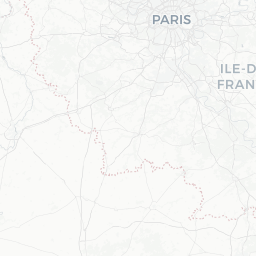
Courcouronnes is a small city of roughly 15,000 residents located in the Essonne department of Île-de-France, approximately 25 kilometres south of central Paris. It sits within the greater Évry-Courcouronnes commune — a merger formalised in 2019 — which together forms one of the principal urban centres of the Essonne.
The city was developed in the 1970s as part of France's ambitious villes nouvelles (new towns) programme, intended to decentralise population pressure from Paris. As a result, its urban fabric is characterised by modernist housing blocks, planned green spaces, and deliberate civic infrastructure — a landscape that reflects the architectural ambitions and social ideals of that era.
For most visitors, Courcouronnes is encountered as part of the wider Évry-Courcouronnes agglomeration rather than as a standalone destination. Its proximity to Paris via the RER D line makes it accessible as a day trip or a base for those seeking lower accommodation costs than central Paris while remaining well-connected to the capital.
Before You Go
Courcouronnes is not a conventional tourist destination, and visitors will find limited dedicated tourism infrastructure. Approaching it with curiosity about urban planning, contemporary architecture, or everyday French suburban life will yield the most rewarding experience.
Bring a Navigo pass or ensure your Île-de-France Mobilités tickets cover Zone 4 (verify the current zone classification for Évry-Courcouronnes, as ticketing zones are subject to revision). This will make movement around the region and back to Paris straightforward.
The town is generally calm and residential in character. Most practical amenities — supermarkets, pharmacies, banks — are readily available in the town centre and the adjacent Évry commercial area.
Getting There
By Train (RER)
The most practical way to reach Courcouronnes from Paris is via the RER D line, alighting at Évry-Courcouronnes station. Journey time from Paris Gare de Lyon is typically around 25–35 minutes, though you should verify current schedules with SNCF or Île-de-France Mobilités, as service frequency and journey times vary.
By Car
Courcouronnes is accessible from Paris via the A6 motorway (direction Lyon), with exits toward Évry. Travel time from central Paris is approximately 30–45 minutes depending on traffic, which can be significant during peak hours on this corridor.
From Orly Airport
Paris Orly Airport is approximately 15–20 kilometres northwest of Courcouronnes. Bus and road connections exist; verify current options via the Île-de-France Mobilités journey planner or at the airport information desk.
Getting Around
Within Courcouronnes and the wider Évry-Courcouronnes area, travel is straightforward on foot in most central areas. Local bus routes operated under the Île-de-France Mobilités network connect different parts of the agglomeration; the same Navigo pass or standard Île-de-France tickets used in Paris are valid here.
Cycling is a reasonable option given the planned nature of the town, which incorporated cycle paths and pedestrian routes. Verify current bike-share or rental availability locally, as provision changes over time.
A car is useful if you plan to explore the broader Essonne department, particularly areas less well-served by public transport.
Where to Stay
Courcouronnes itself has limited dedicated hotel infrastructure. Accommodation options are more varied in the wider Évry-Courcouronnes urban area and along the major road corridors nearby. Budget and mid-range chain hotels can be found in the agglomeration; search current availability on standard booking platforms and verify locations carefully, as the merged commune covers a significant area.
Some travellers choose to stay in Courcouronnes or Évry as a lower-cost alternative to Paris hotels, using the RER D connection to visit the capital. Factor in commute time and the cost of transport passes when comparing overall value.
Things to See & Do
Cathédrale de la Résurrection
The most architecturally significant landmark in the immediate area is the Cathédrale de la Résurrection in neighbouring Évry — now administratively part of Évry-Courcouronnes. Designed by Swiss architect Mario Botta and completed in 1995, it is one of the very few cathedrals built in France in the twentieth century. Its distinctive cylindrical form and rooftop ring of linden trees make it a notable example of contemporary religious architecture. Verify current visiting hours directly with the cathedral before visiting.
Parc aux Arbres and Green Spaces
Courcouronnes has several planned green spaces and park areas that are pleasant for walking and cycling. The city's layout incorporates pedestrian pathways and landscaped corridors typical of the villes nouvelles design philosophy.
Urban Architecture and New-Town Heritage
For visitors interested in post-war urban planning and modernist social housing, a walk through Courcouronnes and the adjacent parts of Évry offers genuine insight into how France approached large-scale urban development in the late twentieth century. The housing ensembles, civic buildings, and commercial precincts are honest documents of their era.
Local Markets
Like most French communes of this size, Courcouronnes and its surrounding area host regular street markets. Confirm days, times, and locations locally or via the Évry-Courcouronnes town hall website, as schedules can change seasonally.
Food & Drink
The food scene in Courcouronnes reflects the multicultural character of the wider Évry-Courcouronnes agglomeration. You will find French brasseries and bakeries alongside restaurants and takeaways representing communities with roots in West Africa, North Africa, and South Asia — the latter particularly around certain commercial areas of Évry.
The main commercial centre of Évry (the Centre Commercial Évry 2, now known as Cœur d'Évry) has a broad range of food outlets. As with any shopping-centre food offer, quality varies; local neighbourhood restaurants and bakeries often provide a more authentic experience.
For a sit-down meal, look for restaurants near the town centre and around the RER station area. Prices are generally more moderate than equivalent establishments in central Paris. Specific restaurant recommendations should be verified locally or via current review platforms, as the dining scene changes regularly.
Practical Information
Visas
Entry requirements for France depend on your nationality. For accurate, up-to-date information, check TravelerPulse's Visas section and consult the official French immigration authority (France Visas: france-visas.gouv.fr).
Emergency Numbers
The standard French emergency numbers apply: 15 (SAMU medical), 17 (police), 18 (fire/sapeurs-pompiers), and 112 (general EU emergency number).
Language
French is the language of daily life. English is less commonly spoken here than in central Paris tourist areas; basic French phrases are helpful and appreciated.
Money
Cash machines (distributeurs automatiques de billets) are available in the town centre and commercial areas. Card payment is widely accepted in shops and restaurants, though smaller vendors may prefer cash.
Connectivity
Mobile coverage is good throughout the agglomeration. Free Wi-Fi may be available in certain public areas and commercial centres; verify locally.