Overview
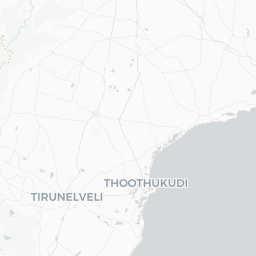
Kottārakara is a small town in Kollam district, Kerala, situated roughly midway between Kollam city and Thiruvananthapuram. With a population under 30,000, it functions as a busy market and administrative centre for the surrounding taluks rather than a conventional tourist destination.
The town holds an outsized place in Kerala's cultural history: it is credited as the birthplace of Kathakali, the elaborate classical dance-drama of Kerala. Kottārakara Thampuran, an 18th-century royal of the region, is traditionally cited as the innovator who shaped Kathakali into a distinct art form from the earlier Krishnanattam tradition.
Beyond this cultural significance, Kottārakara sits in a landscape of rubber plantations, coconut groves, and small rivers that is quietly attractive. Travelers passing between Thiruvananthapuram and Kollam—or heading toward the backwaters and hill stations of interior Kerala—find it a practical and low-key stopover.
Before You Go
Visas
India has specific visa requirements that vary by nationality, intended length of stay, and purpose of travel. Do not rely on general summaries. Check the TravelerPulse Visas section and the official Indian Bureau of Immigration website for current, authoritative guidance before booking.
Health
Consult a travel medicine specialist or your GP at least 4–6 weeks before travel to India. Mosquito-borne illnesses (dengue, chikungunya) are present in Kerala; use repellent and wear long sleeves especially around dusk. Tap water is not considered safe to drink; use sealed bottled water or a reliable filter. Travel health insurance is strongly recommended.
What to pack
- Lightweight, breathable clothing; Kerala is humid year-round
- A light layer or shawl for temple visits (shoulders and legs should be covered)
- Rain gear if visiting June–September (southwest monsoon) or October–November (northeast monsoon)
- Cash: ATMs are available in town but smaller vendors and auto-rickshaws work exclusively in cash
Getting There
By Rail
Kottārakara has its own railway station on the Kollam–Thiruvananthapuram rail line, making it directly accessible from both cities. Trains run regularly throughout the day; verify current schedules and availability on the Indian Railways NTES app or erail.in before travel.
By Road
Kottārakara is located on NH 183 (formerly NH 208) and is well connected by KSRTC (Kerala State Road Transport Corporation) buses from Kollam (approximately 30–40 km north) and Thiruvananthapuram (approximately 70–80 km south). Private buses and shared taxis also operate on these routes. The journey from Kollam typically takes 45 minutes to 1 hour depending on traffic.
Nearest Airports
The closest major airport is Trivandrum International Airport (TRV), Thiruvananthapuram, roughly 70–80 km to the south. Cochin International Airport (COK) is farther north and serves more international routes. From TRV, travelers can connect to Kottārakara by train or road.
Getting Around
Kottārakara town itself is compact enough to explore on foot in its central areas. Auto-rickshaws are the primary mode of local transport and are available throughout the day; fares are usually metered or negotiated before boarding—agree on a price before you set off.
For day trips to nearby temples and villages, hiring an auto-rickshaw for a half-day is a practical option. App-based cab services (Ola, Uber) may have limited availability in this town; verify locally. Local KSRTC and private buses connect Kottārakara to surrounding towns and villages at low cost.
Things to See & Do
Kottārakara Sree Mahaganapathi Temple
One of the prominent temples in town, this Ganesha temple draws devotees from across Kollam district. Visitors should dress modestly (no shorts; remove footwear before entering). Non-Hindus may have restricted access to inner sanctums—verify on arrival.
Kottārakara Devi Temple
An important local shrine dedicated to the Goddess, particularly lively during festival periods. The annual festival (typically in the Malayalam month of Karkidakam or nearby months—verify locally) draws large crowds and features traditional performances.
Kathakali Heritage
Given the town's historical association with Kathakali, visitors interested in classical Kerala arts may wish to inquire locally about cultural programmes or performances. There is no permanent performance venue that we can confirm; ask at your accommodation or at the local tourist information points in Kollam.
Surrounding Countryside
The rural roads around Kottārakara wind through rubber and coconut plantations and past small rivers. An auto-rickshaw or bicycle ride through these back roads offers a genuine sense of everyday Kerala life largely untouched by mass tourism.
Day-trip Base
Kottārakara's central location makes it a sensible base for day trips to Kollam, Ashtamudi Lake, and hill areas such as Aryankavu and Thenmala (see Nearby section).
Food & Drink
Kottārakara's food scene is local and unpretentious. Small hotels (the Kerala term for casual restaurants), tea shops, and tiffin stalls line the main market area and bus stand vicinity.
What to eat
- Sadhya elements: Rice with sambar, rasam, avial, and pickles are staples at local meals
- Kerala parotta and curry: A popular breakfast or lunch combination widely available
- Puttu and kadala curry: A traditional breakfast of steamed rice cylinders with black chickpea curry
- Karimeen (pearl spot fish) dishes: Regional specialty found across Kollam district
- Fresh coconut water: Available from roadside vendors, especially in warmer months
Most local restaurants are vegetarian-friendly; non-vegetarian options (fish, chicken, mutton) are widely available. Alcohol is sold at licensed beverage outlets (BEVCO shops) outside the core commercial area. Confirm locations locally.
Practical Information
Money
ATMs from major Indian banks (SBI, Canara Bank, others) are present in the town centre. Carry sufficient cash for auto-rickshaws, market purchases, and temple donations, as card acceptance at small vendors is limited.
Connectivity
Mobile data (4G) from major networks (Jio, Airtel, Vi) is generally reliable in the town and on main roads. Coverage may be patchy in rural outskirts.
Medical
Kottārakara has a government taluk hospital and some private clinics. For serious medical needs, Kollam city and Thiruvananthapuram offer larger hospital facilities. Carry a basic medical kit and any prescription medicines you need.
Emergency contacts
- Police emergency (national): 100
- Ambulance (national): 108
- Fire (national): 101
Verify local station numbers on arrival. Kerala's emergency services are generally responsive in district towns.
Electricity
India uses 230V / 50Hz. Standard plug types are Type C, D, and M. Carry a universal adapter.
Safety
Kottārakara is a generally safe town for travelers. Petty theft, as in any busy market town, is possible—keep valuables secure, especially around the bus stand.
Road travel requires care: traffic on NH 183 and on state roads can be fast and unpredictable. Use footpaths where available and exercise caution when crossing roads.
Solo women travelers should exercise the same general awareness they would in any small South Asian town. Travelling during daylight hours and using accommodation with good reviews is advisable. Female traveler experiences in Kerala are generally more comfortable than in many other Indian states, though lone travel after dark in unfamiliar areas warrants caution.
During monsoon months (June–September), some rural roads may become slippery or waterlogged; check local conditions before venturing far from the main roads.
Local Culture & Etiquette
Kottārakara is a predominantly Hindu town with a significant Christian minority, reflecting the broader demographic character of Kollam district. Mosques, churches, and temples coexist in close proximity in the market area.
Temple festivals are central to local cultural life and follow the Malayalam calendar; dates shift each year relative to the Gregorian calendar. If a festival coincides with your visit, it is worth watching—processions may include caparisoned elephants, traditional percussion ensembles (panchavadyam), and fireworks. Maintain respectful distance, follow crowd guidance, and ask before photographing participants or rituals.
When entering places of worship, remove footwear, dress modestly (cover shoulders and legs), and follow any signage about permitted areas. Loud behaviour and public displays of affection are considered disrespectful in and around temple precincts.