Overview
Artist Village (Kalakar Colony) is a small, planned residential settlement located within the Navi Mumbai urban agglomeration in Maharashtra, India. Developed with the intention of providing subsidised housing to artists, craftspeople, and creative professionals, the locality carries a distinct character compared to the surrounding planned townships of Navi Mumbai.
With a population of roughly 6,000, this is not a conventional tourist destination in the way that Mumbai or Pune are. Instead, it appeals to culturally curious travelers, architecture enthusiasts, and those interested in how urban planning intersects with artistic communities. The streets and compound walls of the area feature murals and installations that reflect the residents' backgrounds.
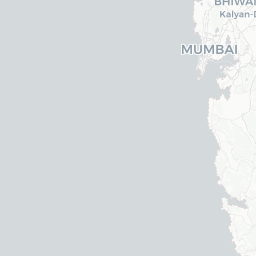
Artist Village sits close to the coordinates 19.03°N, 73.04°E, placing it within the Belapur or Kharghar belt of Navi Mumbai — a well-connected part of the metropolitan region accessible via the Harbour Line of Mumbai's suburban rail network. Its modest scale means most points of interest can be covered on foot within a few hours.
Before You Go
Visas
India requires a visa for most foreign nationals. For current entry requirements, check TravelerPulse's Visas section and the official Indian immigration authority (Bureau of Immigration, India). Do not rely on second-hand summaries, as rules change.
What to Expect
Artist Village is a lived-in residential neighbourhood, not a curated attraction. Visitors should approach it with the same respect they would extend to any residential area — avoid intruding into private compounds, and ask permission before photographing residents or their homes.
Practical Preparations
- Carry cash (INR); digital payments via UPI are widely used locally but small vendors may prefer cash.
- Wear comfortable, weather-appropriate clothing. Summers (March–June) are hot and humid; carry water.
- There is no formal visitor centre. Information is best gathered from locals or from Navi Mumbai Municipal Corporation resources — verify details locally before your visit.
Getting There
By Rail
The most practical way to reach Artist Village from central Mumbai or other parts of Navi Mumbai is the Mumbai Suburban Railway Harbour Line, which runs through Navi Mumbai's planned nodes. The nearest stations depend on the exact part of Artist Village you are heading to — Belapur CBD and Kharghar are the most commonly referenced reference points. Verify the nearest station with your accommodation or a local contact before travelling.
By Road
Navi Mumbai is well connected by road via the Sion–Panvel Highway and the Eastern Freeway. Auto-rickshaws are the standard last-mile option within Navi Mumbai and are generally metered, though it is advisable to confirm metered fare or agree on a price before boarding. App-based cab services (Ola, Uber) operate in this corridor.
From Chhatrapati Shivaji Maharaj International Airport
The airport is in Mumbai, roughly 30–45 km away depending on traffic and route. Travel time varies significantly with congestion; allow ample buffer, particularly during peak hours. Cabs are the most straightforward option for door-to-door travel from the airport.
Getting Around
Artist Village itself is small enough to explore on foot once you arrive. The surrounding Navi Mumbai area is navigated primarily by auto-rickshaw, local bus, or the suburban rail network.
App-based ride-hailing works reliably in Navi Mumbai's main nodes, including near Artist Village. Within the colony, walking is the most practical and rewarding way to notice murals, architecture, and the everyday rhythms of the community.
Things to See & Do
Explore the Colony on Foot
The primary draw is a slow walk through the lanes of Artist Village itself. Painted facades, sculptural elements, and informal outdoor works created by residents give the neighbourhood a visual texture unlike standard Navi Mumbai housing stock. The experience is informal and unstructured — there are no ticketed sites.
Engage with the Creative Community
If you have a genuine interest in Indian arts and crafts, visiting during any community events or open studio days (which occur sporadically — verify locally) can be rewarding. Some residents are painters, sculptors, textile artists, and performing artists associated with Maharashtra's cultural institutions.
Combine with Navi Mumbai's Wider Attractions
- Central Park, Kharghar: A large public green space a short distance away.
- Belapur Fort (Belapur Killa): A small historical fort in the Belapur node, worth a short detour.
- Parsik Hill: Offers views over the creek and Navi Mumbai's planned townships.
Given the compact nature of Artist Village, most visitors pair it with at least one other Navi Mumbai point of interest to make a full day of it.
Food & Drink
There are no destination restaurants within Artist Village itself that have earned wide recognition. The neighbourhood's small scale means food options are primarily local eateries (dhabas) and small tea stalls serving standard Maharashtrian and North Indian fare — expect vada pav, misal pav, poha, and thali meals at very reasonable prices.
For a broader selection of restaurants and cafes, the Kharghar and Belapur nodes of Navi Mumbai — both accessible by auto or a short train ride — offer more variety, including South Indian, Chinese-Indian (Indo-Chinese), and fast-food options. Verify current establishments locally, as the dining scene in Navi Mumbai evolves steadily.
Tap water is not recommended for drinking. Bottled water is inexpensive and widely available.
Practical Information
Emergency Contacts
Verify current emergency numbers locally. In India, the national emergency number is 112 (police, fire, ambulance). Maharashtra-specific contacts should be confirmed on arrival.
Health
Standard precautions for urban Maharashtra apply: drink only bottled or purified water, be cautious with street food if your stomach is unaccustomed to local cuisine, and carry any personal medications you require. The nearest hospitals are in Navi Mumbai's larger nodes — confirm locations with your accommodation.
Connectivity
Mobile network coverage is good across Navi Mumbai. Prepaid SIM cards from major Indian operators (Jio, Airtel, Vi) can be purchased at airports and authorised stores with a passport and visa copy.
Money
ATMs are available in Kharghar and Belapur. UPI-based payments (Google Pay, PhonePe, Paytm) are widely accepted even by small vendors, but carrying some cash is advisable for very small transactions and transport.
Safety
Artist Village and the surrounding Navi Mumbai area are generally considered safe for visitors. Navi Mumbai was planned as a well-ordered city and has comparatively lower congestion and crime rates than parts of Mumbai proper.
Standard urban precautions apply: keep valuables secure, be aware of your surroundings in crowded areas, and use metered or app-based autos and cabs rather than unmetered informal arrangements. Solo travelers, including women, should exercise the same general awareness they would in any unfamiliar urban neighbourhood. As with anywhere in India, local advice from your accommodation host is the most current safety resource available.
Local Culture & Etiquette
Artist Village was conceived as part of Navi Mumbai's broader planned development, with CIDCO (City and Industrial Development Corporation) allocating plots to artists as a form of cultural patronage. This history gives the locality a sense of intentional community that distinguishes it from purely commercial or administrative housing schemes.
Residents include practitioners of classical and contemporary Indian art forms, and the colony has at times hosted workshops, performances, and exhibitions. However, much of this activity is community-facing rather than tourist-oriented. Visitors who approach with genuine curiosity and respect are generally welcomed; those expecting a polished cultural experience may need to recalibrate expectations.
Marathi is the primary language and cultural frame of reference. Basic courtesies in Marathi (such as 'Namaskar') are appreciated, though Hindi and English are understood by most working-age residents.