Translate


Overview
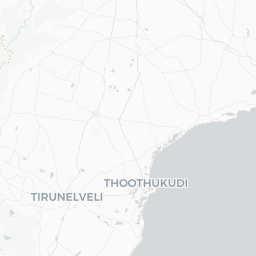
Ālwārkurichchi is a small town of roughly 10,000 residents in the Thoothukudi (Tuticorin) district of southern Tamil Nadu. Situated near the foothills of the Southern Western Ghats, it serves primarily as a local administrative and market centre for surrounding villages rather than a conventional tourist destination.
The town sits in a landscape shaped by agriculture, with paddy fields and banana groves characteristic of the Tirunelveli-Thoothukudi belt. Travellers who find themselves here are most often passing through en route to larger centres such as Tirunelveli or Thoothukudi, or visiting family and community connections in the region.
For independent travellers, Ālwārkurichchi offers an unvarnished look at everyday small-town Tamil Nadu — local markets, modest temples, and the unhurried rhythm of agrarian life — without tourist infrastructure.
Before You Go
Visas
Most international visitors to India require a visa. For current requirements applicable to your nationality, check TravelerPulse's Visas section and the official Indian government immigration authority website before you travel.
What to Expect
Ālwārkurichchi has very limited tourist facilities. There are no international-standard hotels, dedicated visitor information centres, or English-language signage beyond the basics. Come prepared with cash (ATM availability should be verified locally), downloaded offline maps, and a working knowledge of basic Tamil phrases or a translation app.
Health
Consult your doctor or a travel health clinic before travelling to Tamil Nadu regarding vaccinations and food and water precautions. Drink bottled or purified water. Sun protection is important year-round given the latitude. Verify whether travel health insurance covers remote areas of India.
Getting There
By Rail
Ālwārkurichchi has a railway station on the Southern Railway network. Trains connect to Tirunelveli and, with changes, to Chennai and other major Tamil Nadu cities. Verify current schedules and book tickets on the Indian Railways official site (indianrail.gov.in) or authorised booking platforms.
By Road
The town is accessible by state and private buses operating through the Tirunelveli–Thoothukudi corridor. Shared auto-rickshaws and private taxis link it to nearby towns. From Tirunelveli, the journey is roughly 25–30 km; verify current road conditions and bus timings locally.
Nearest Airports
Tirunelveli Airport (IXN) is the closest option, though it has limited connectivity; verify operating routes before planning around it. Madurai Airport (IXM) and Thoothukudi Airport (TCR) offer broader connectivity. All three are within roughly 60–120 km depending on road routing; confirm distances and transfer options before travel.
Getting Around
Within Ālwārkurichchi itself, the town is small enough to walk across its central areas. Auto-rickshaws are the primary mode of local transport and can be hired for short hops to surrounding villages. Negotiate fares before boarding, as meters are rarely used in small towns of this size.
For day trips to nearby areas such as Tirunelveli or the Ghats foothills, buses depart from the town's main bus stand; frequency and routes should be confirmed locally. Private taxis and app-based cabs (where signal and coverage permit) can be arranged for greater flexibility.
Things to See & Do
Local Temples
Like most towns in this part of Tamil Nadu, Ālwārkurichchi has Hindu temples that form the social and spiritual heart of the community. Visitors are generally welcome to enter, though dress modestly (cover shoulders and legs, remove footwear before entering). Confirm visiting etiquette at each site.
Surrounding Countryside
The landscape around the town, with its paddy fields and proximity to the Ghats foothills, rewards walkers and cyclists interested in rural Tamil Nadu scenery. There are no formal trails; explore on foot along village lanes with awareness of private farmland boundaries.
Day Trips
The town is well-placed as a base for visiting Tirunelveli (known for its Nellaiappar Temple and halwa), the Manimuthar waterfalls (seasonal; verify access), and the broader Tirunelveli district's heritage sites. These make more practical full-day excursions than trying to structure a multi-day itinerary around Ālwārkurichchi itself.
Food & Drink
Food options are centred on small local restaurants (known as 'hotels' in Tamil Nadu parlance) and tiffin stalls serving South Indian staples — idli, dosa, sambar, rice meals (saapadu), and filter coffee. The Tirunelveli region is particularly known for its distinctive sambar style and for Iruttu Kadai Halwa, though the famous halwa shops are in Tirunelveli city itself.
Expect vegetarian-dominant menus at most establishments, with some serving egg and non-vegetarian dishes. Alcohol is not readily available in smaller Tamil Nadu towns; verify locally. Drink only bottled or purified water and be cautious with raw foods from street stalls if you have a sensitive stomach.
Practical Information
Money
ATMs may be present in town but availability and reliability should be verified locally. Carry adequate cash when visiting, as small establishments will not accept cards.
Connectivity
Mobile data (4G) from major Indian carriers (Jio, Airtel, BSNL) generally covers the town, though signal can drop in surrounding rural and hilly areas. Download offline maps before arriving.
Emergency Contacts
For police, fire, and medical emergencies in India, the national emergency number is 112. Verify the location of the nearest hospital or primary health centre on arrival. The nearest well-equipped hospitals are likely in Tirunelveli city; confirm this locally.
Electricity
India uses 230V/50Hz with Type C, D, and M plugs. Carry a universal adapter.
Local Culture & Etiquette
Ālwārkurichchi sits in a predominantly Hindu Tamil cultural landscape with a calendar of temple festivals that animate local life throughout the year. Pongal (mid-January) is among the most important regional celebrations. If your visit coincides with a local festival, you may witness processions, music, and community gatherings — respectful observation is welcome.
Dress conservatively by default, particularly around temples and markets. Public displays of affection are uncommon and best avoided. Tamil is the language of daily life; even basic greetings in Tamil (vanakkam — 'hello/greetings') are warmly received and signal genuine respect for local culture.