Overview
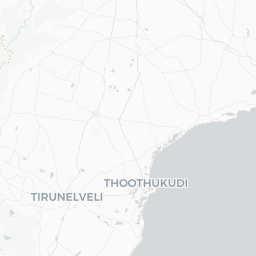
Sivandipuram is a small town in Tirunelveli district, Tamil Nadu, situated in the far south of India near the coordinates of 8.70°N, 77.40°E. With a population of roughly 14,000, it functions primarily as a rural settlement embedded in the agricultural and cultural fabric of the Tirunelveli region.
The surrounding landscape is typical of southern Tamil Nadu — relatively flat, punctuated by paddy fields, palmyra palms, and small water tanks. The town itself does not have major tourist infrastructure, but it sits within easy reach of Tirunelveli city, which offers significant heritage, food, and transport connections.
For most travelers, Sivandipuram serves as a point of passage or a base for exploring the broader Tirunelveli–Thoothukudi corridor rather than a standalone destination. Visitors with an interest in rural Tamil life, local temples, and unhurried travel may find it a worthwhile stop.
Before You Go
Visas
India requires a visa for most foreign nationals. For current requirements specific to your passport, visit TravelerPulse's Visas section and check the official Indian Bureau of Immigration website. Requirements and e-visa eligibility change periodically, so verify before booking.
Health
Consult a travel medicine clinic before visiting India. Mosquito-borne illnesses (dengue, malaria) are present in Tamil Nadu; pack appropriate repellent. Drink bottled or filtered water. Standard travel health insurance with medical evacuation cover is strongly recommended.
What to Pack
- Lightweight, breathable clothing; modest dress for temple visits (shoulders and knees covered)
- Sun protection — southern Tamil Nadu receives intense sun year-round
- Cash in Indian Rupees; ATM availability in small towns can be inconsistent, so carry sufficient funds from Tirunelveli
- A mobile SIM with data if you need navigation, as English signage is limited locally
Getting There
By Air
The nearest commercial airport is Tuticorin Airport (also known as Thoothukudi Airport, IATA: TCR), which receives limited domestic flights. Madurai Airport (IXM) is a larger hub with more frequent connections to Chennai, Mumbai, and other Indian cities. Verify current routes and schedules directly with airlines, as services change.
By Rail
Tirunelveli Junction is the primary railhead for this part of Tamil Nadu, with connections to Chennai, Madurai, Bangalore, and Kerala. From Tirunelveli, Sivandipuram is accessible by road. Check the Indian Railways official site (indianrail.gov.in) or the IRCTC platform for current timetables and booking.
By Road
Sivandipuram is connected to Tirunelveli and surrounding towns via state and district roads. State-run buses operated by TNSTC (Tamil Nadu State Transport Corporation) link the area to larger centers. Private autos and taxis can be hired from Tirunelveli. Road quality varies; verify local conditions, particularly during and after monsoon.
Getting Around
Within Sivandipuram, walking is the primary way to get around given the town's modest size. Auto-rickshaws are the most common form of short-distance transport and can usually be found near any bus stand or market area; negotiate fares before setting off, or ask locally what a fair rate is.
For travel between Sivandipuram and nearby towns, TNSTC buses are the most economical option. App-based cab services common in larger Tamil Nadu cities may have limited or no coverage here; verify locally. Hiring a private auto or taxi for a half-day is a practical approach for visiting multiple nearby points of interest.
Things to See & Do
Sivandipuram does not have a catalogue of formal tourist attractions, but the area offers experiences rooted in everyday Tamil rural life.
- Local temples: Small Shaivite and Murugan shrines are present in and around the town, as is typical across Tamil Nadu. Visitors are generally welcome if they are respectful of customs (remove footwear, dress modestly, ask before photographing interiors).
- Agricultural landscape: The paddy and banana cultivation in the surrounding countryside is visually distinctive, especially in the growing season. Early morning walks can be rewarding.
- Proximity to Tirunelveli: The major draw of this area for most visitors is Tirunelveli city, roughly accessible by road, which has the ancient Nellaiappar Temple complex, the Krishnapuram Palace (in nearby Kayamkulam direction), local heritage streets, and the famous Tirunelveli halwa.
Verify opening times for any specific temples or sites locally, as hours can vary around festival periods.
Food & Drink
Tamil Nadu's culinary traditions are strong in this region, and even small towns typically have basic eateries (locally called 'hotels') serving rice meals, idli, dosa, sambar, and filter coffee. Expect south Indian vegetarian food to dominate menus in local establishments, with some shops offering non-vegetarian options.
Tirunelveli, the nearest city, is specifically known for its distinctive Tirunelveli halwa (a wheat-based sweet made with Thamirabarani river water), which is worth seeking out. Local meals are generally eaten on banana leaves and served at fixed times — confirm meal hours when you arrive at any small eatery, as they may close after lunch service.
Drink only bottled or filtered water. Tender coconut water sold at roadside stalls is generally safe and a good way to stay hydrated in the heat.
Practical Information
Money
Carry adequate cash before arriving. ATMs may be present in or near the town but availability and reliability are not guaranteed; withdraw cash in Tirunelveli as a precaution. Most small vendors will not accept cards.
Connectivity
Mobile data (4G) from the major Indian carriers (Jio, Airtel, BSNL) typically covers towns of this size, though signal can be patchy in surrounding rural areas. Purchase a local SIM in a larger city if you need reliable navigation.
Emergency Contacts
India's national emergency numbers: Police 100, Ambulance 108, Fire 101. Verify whether local police and medical facilities are available in Sivandipuram itself, or identify the nearest facility in Tirunelveli before you travel.
Best Time to Visit
November through February offers the most comfortable temperatures. The southwest monsoon (June–September) and northeast monsoon (October–November) both affect this region; roads can become difficult during heavy rainfall.
Safety
Sivandipuram and the Tirunelveli district are generally considered safe for travelers. Petty crime rates in rural Tamil Nadu are low, though standard precautions apply: keep valuables secure, be aware of your surroundings in crowded areas, and avoid displaying expensive items unnecessarily.
Road travel carries the most consistent risk in this part of India — traffic conditions, road quality, and local driving patterns can be unpredictable. If hiring a vehicle and driver, use a reputable service recommended by your accommodation.
Women traveling solo should be aware that rural Tamil Nadu, while not unusually dangerous, may involve unwanted attention in some contexts. Dressing conservatively and traveling with company where possible reduces friction. Always share your itinerary with someone you trust.
Local Culture & Etiquette
Sivandipuram sits within Tamil Nadu's deep Dravidian cultural traditions. Tamil is the language of daily life, commerce, and religious practice. The town's social rhythms are shaped by agricultural cycles and Hindu festivals, particularly those associated with Murugan, Shiva, and local village deities.
When visiting temples, remove footwear at the entrance, dress conservatively (both men and women should cover knees and shoulders), and ask permission before photographing priests or rituals. Non-Hindus may be asked to wait at the entrance of some inner sanctums; respect these boundaries courteously.
Festivals such as Pongal (mid-January), Tamil New Year (mid-April), and Karthigai Deepam can significantly change the atmosphere of even small towns — accommodation in the wider district fills quickly during major festivals, so plan accordingly.