Translate
Overview
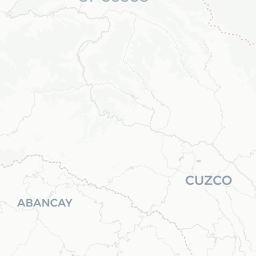
Rondocán is a small rural district capital in the Acomayo province of Cuzco Department, sitting at high altitude in the southern Peruvian Andes. With a registered population of under 300, it is one of the quieter communities in a region more commonly associated with the Inca heartland farther north. The surrounding landscape is characterized by terraced hillsides, puna grasslands, and deep river valleys typical of the eastern Andean slopes.
The village functions primarily as an agricultural and administrative center for the surrounding district. Visitors who do find their way here tend to be travelers interested in off-the-beaten-path Andean culture, trekking routes that bypass the better-known Inca Trail crowds, or those passing through the Acomayo circuit. Rondocán itself has very limited tourist infrastructure, so realistic expectations and solid advance planning are essential.
Before You Go
Altitude
Rondocán sits at roughly 3,500–3,700 m above sea level (verify the exact elevation of your specific accommodation locally). Altitude sickness (soroche) is a real concern. Spend at least two to three days acclimatizing in Cusco city before traveling to this area. Coca tea is widely available and many travelers find it helpful; consult a doctor before your trip if you have cardiac or respiratory conditions.
Visas
Peru's entry rules vary by nationality and change periodically. For accurate, up-to-date visa requirements, check TravelerPulse's Visas section and the official Peruvian immigration authority's website.
What to pack
- Warm, layered clothing — temperatures can drop sharply after sunset even in the dry season
- Rain gear, even in dry season (afternoon showers are possible)
- Cash in Soles (there are no ATMs in Rondocán; withdraw in Cusco or Acomayo beforehand)
- A basic first-aid kit and any prescription medications
- Snacks and water purification tablets or a filter
Connectivity
Mobile signal is unreliable or absent. Do not depend on real-time navigation or communication while in the village.
Getting There
From Cusco City
The most practical route is by road via the town of Acomayo, which lies in the same province. From Cusco, shared minivans (combis) and collectivo taxis depart from terminals in the San Jerónimo or Saylla areas toward Acomayo. From Acomayo, onward transport to Rondocán is limited to infrequent local combis or private taxis — verify current schedules and availability locally, as service is sparse and can change seasonally.
The road journey from Cusco to the Acomayo area typically takes two to three hours depending on conditions. The final stretch to Rondocán may involve unpaved road; a high-clearance vehicle is advisable, particularly during or after the wet season (November–April).
By Private Vehicle or Hired Driver
Hiring a driver from Cusco for a day or multi-day circuit is the most flexible option for this area. Agree on the full itinerary, price, and vehicle type before departing. Fuel stations are scarce beyond the main towns, so confirm your driver plans accordingly.
Getting Around
Within Rondocán itself, movement is on foot. The village is compact and walkable. For excursions into the surrounding district — to agricultural terraces, viewpoints, or neighboring communities — you will need a local guide or your hired vehicle. Ask at the local municipality (municipalidad) for guidance on paths and any community access protocols.
Things to See & Do
Andean Landscape and Trekking
The hills and valleys surrounding Rondocán offer walking and trekking in genuine, uncrowded Andean terrain. Agricultural terracing visible in the area reflects centuries of land use, some of it pre-Hispanic in origin. Always inform someone of your planned route before heading out, and carry water and food.
Observing Daily Andean Life
As a working agricultural village, Rondocán offers a window into everyday Quechua-speaking highland life that most tourists never see. Market days (verify the day locally) are often the most active times in small Andean communities and can be worth timing a visit around.
Acomayo Circuit
Rondocán is best understood as one stop on a broader circuit of Acomayo province, which includes the Pomacanchi lake system and the colonial town of Acomayo itself. Planning a multi-day loop that incorporates several district communities gives far more context than a brief stop in any single village.
Food & Drink
Formal restaurants do not exist in Rondocán. Meals, if available at all, will come from small family-run comedores (basic local eateries) that may or may not be operating on any given day. Common Andean staples — potato-based soups, rice dishes, chuño (freeze-dried potato), and corn preparations — can be expected when food is available.
Bring sufficient food and drinking water from Cusco or Acomayo. Tap water in small rural Andean communities is generally not safe to drink without treatment. Carry a filter or purification tablets.
Practical Information
Money
There are no banks or ATMs in Rondocán. Carry enough Soles for your entire stay, including transport costs for your return. The nearest ATM access is likely in Acomayo town or Cusco city — verify locally.
Health
The nearest significant medical facilities are in Cusco city. There may be a small health post (posta de salud) in or near Rondocán, but its capacity and hours should not be relied upon for anything beyond very basic care. Travel insurance that covers emergency medical evacuation is strongly advisable for remote Andean travel.
Emergency Contacts
Peru's national emergency number is 105 (police) and 106 (ambulance/fire), though response times to remote rural areas will be very slow. Verify any local emergency contacts before leaving Cusco.
Accommodation
There are no established hotels or hostels in Rondocán. Community homestays may be possible but should be arranged in advance, ideally through a community tourism contact or a Cusco-based agency experienced in rural tourism. Do not arrive expecting to find lodging without prior arrangement.
Safety
Rondocán is a quiet, low-crime rural community. The primary safety considerations are environmental rather than criminal: altitude sickness, unpredictable mountain weather, and the challenges of being far from medical care. Stick to known paths when trekking, always tell someone your plans, and monitor weather conditions.
Road safety is a consideration on mountain roads in this region, particularly in wet conditions. If hiring transport, assess the vehicle and driver's familiarity with the route before committing.
Local Culture & Etiquette
Rondocán's community is predominantly Quechua-speaking, with Spanish functioning as a secondary language. Basic courtesy in Quechua — a greeting such as Allianchu (How are you?) / Allinmi (Fine) — is genuinely appreciated and reflects well on visitors.
Ask permission before photographing people, their homes, or religious spaces. Catholic traditions often blend with older Andean spiritual practices in this region; approach any ceremonies or sacred sites with respectful discretion. The community's agricultural and family rhythms should be respected — avoid disrupting work or domestic routines.