Overview
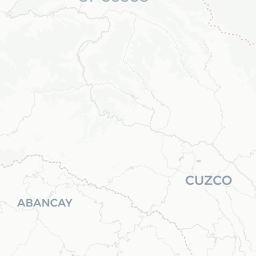
San Salvador is a small district capital in the Calca Province of Cuzco Department, situated in the highlands east of the main Sacred Valley corridor. At roughly 3,000–3,400 metres above sea level depending on the area you are in, it occupies a transitional Andean zone between the valley floor and the puna grasslands above.
The town itself is quiet and largely agricultural, populated by Quechua-speaking farming communities who cultivate maize, potato, and other Andean crops on the surrounding slopes. It sees far fewer foreign visitors than nearby Pisac or Calca, which is precisely its appeal for travellers wanting an authentic off-the-beaten-path stop in the Sacred Valley region.
San Salvador is best understood as part of a broader Sacred Valley experience rather than a standalone destination. It pairs naturally with exploration of the Pisac area and the upper reaches of the Vilcanota River valley, and it can serve as a quieter overnight alternative to the more tourism-heavy towns nearby.
Before You Go
Visas
Peru's entry requirements vary by nationality. For current rules, check TravelerPulse's Visas section and the official Peruvian immigration authority (Superintendencia Nacional de Migraciones, migraciones.gob.pe — verify the URL is current before use).
Altitude
San Salvador sits well above 3,000 m. Altitude sickness (soroche) is a real concern, particularly if you travel here directly from a coastal city or arrive by air into Cuzco. Allow at least one to two days of acclimatisation in Cuzco before venturing further into the highlands. Stay hydrated, avoid heavy meals and alcohol on arrival, and move slowly. Coca leaf tea is widely available locally and is a traditional mild remedy. Consult your doctor before travel if you have cardiovascular or respiratory conditions.
What to Pack
- Layers: temperatures can drop sharply after dark even in the dry season
- Rain gear: the wet season (November–April) brings daily afternoon downpours
- Sun protection: UV radiation is intense at altitude even on overcast days
- Cash in soles: card payment infrastructure in small Andean towns is limited; bring sufficient cash from Cuzco or Pisac
- Basic medications: the nearest well-stocked pharmacy or medical facility is in Pisac or Calca; verify locally
Getting There
San Salvador has no commercial airport. The practical entry point for the region is Alejandro Velasco Astete International Airport in Cuzco city.
From Cuzco City
Shared minibuses (combis) and colectivo taxis run from Cuzco toward Pisac and the Calca direction. Some routes pass through or near San Salvador; ask locally in Cuzco's bus terminals about current services to San Salvador district. Journey times and schedules vary and should be verified locally, as rural Andean routes change frequently.
Via Pisac
Pisac, roughly 10–12 km west of San Salvador along the valley road, is the most practical staging point. From Pisac you can arrange local transport onward. Confirm current options with your accommodation or a reliable local source, as road conditions and service frequency shift seasonally.
By Private Vehicle or Taxi
Hiring a private taxi from Cuzco or Pisac is the most flexible option and gives you control over timing. Agree on price before departing; verify current rates locally.
Getting Around
San Salvador's town centre is small and walkable on foot. The surrounding district involves hillside terrain, and reaching outlying hamlets or agricultural terraces generally requires walking, hiring a local mototaxi, or arranging a private vehicle.
Mototaxis (three-wheeled motorised rickshaws) are common in small Andean towns of this size and are typically the easiest short-distance option for non-hikers. Agree on fares in advance. For longer excursions into the surrounding mountains, consider hiring a local guide, particularly if you plan off-trail hiking — the terrain can be disorienting and weather changes quickly.
Things to See & Do
Andean Village Life
Simply walking through San Salvador and its surrounding hamlets offers an unmediated glimpse of Andean rural life that is increasingly hard to find in more tourist-oriented Sacred Valley towns. Sunday markets, agricultural activity, and community gatherings are woven into daily rhythms.
Hiking and Trekking
The hills above San Salvador offer hiking possibilities through agricultural terraces and puna grasslands with views across the Sacred Valley. Routes are largely informal; engage a local guide for any extended walk. Verify trail conditions seasonally — the wet season makes some paths hazardous.
Exploring the Wider Calca Province
San Salvador is a practical base for exploring less-visited parts of Calca Province. The area contains Inca and pre-Inca archaeological remains typical of the Sacred Valley region, though specific sites in the immediate San Salvador district should be confirmed locally, as documentation of minor sites is variable.
Connection to the Sacred Valley Circuit
Many travellers visit San Salvador as part of a self-guided Sacred Valley circuit that includes Pisac, Calca, Lamay, and Huchuy Qosqo. Combining these stops over two to three days gives a fuller sense of the valley's diversity without the crowds of the main tourist trail.
Food & Drink
San Salvador is a small town with limited formal restaurant infrastructure. Expect small family-run eateries (typically called picanterías or comedores) serving hearty traditional Andean food: soups such as caldo de gallina, potato-based dishes, cuy (guinea pig, a local staple), and rice-and-meat plates. Menus are typically set and priced very affordably.
Drinking water from the tap is not reliably safe for visitors in rural Andean towns. Stick to bottled water or boil and filter local water. Herbal teas, including muña and coca, are common and pleasant. Chicha (fermented maize drink) is produced locally; if you try it from a community source, do so with reasonable caution regarding preparation hygiene.
For a wider choice of restaurants, Pisac is the nearest town with established tourism-oriented dining.
Practical Information
Money
Bring sufficient Peruvian soles in cash before arriving in San Salvador. ATM access in small district towns is unreliable; the nearest reliably functioning ATMs are in Pisac or Calca. Verify locally on arrival.
Connectivity
Mobile phone coverage is variable in the Andean highlands. Major Peruvian carriers (Claro, Movistar) have some coverage in valley towns but signal can drop in the hills. Download offline maps (e.g., Maps.me or Google Maps offline) before leaving Cuzco. Wi-Fi, if available at all in small guesthouses, is likely to be slow.
Health
The nearest hospital or clinic with reliable capacity is in Cuzco city. Pisac has a basic health post (verify locally for hours and services). Carry a personal first-aid kit and any prescription medications you require. Travel insurance covering altitude-related illness and medical evacuation is strongly recommended.
Emergency Numbers
Peru's general emergency number is 105 (Police) and 106 (Medical emergencies via SAMU in urban areas). Response times in rural highland locations can be significantly longer than in cities. Verify locally what services are reachable from San Salvador.
Safety
San Salvador is a small, low-crime agricultural community. General safety concerns are minimal compared with larger Peruvian cities. Standard travel precautions apply: keep valuables out of sight, be aware of your surroundings on remote hiking trails, and let someone know your plans if heading into the hills.
The primary safety risks in the area are environmental: altitude sickness, rapidly changing mountain weather, and the physical demands of Andean terrain. Do not underestimate these factors. If you feel unwell at altitude, descend and seek medical advice promptly.
During the wet season (November–April), roads and trails can become slippery or washed out. Check local conditions before setting out on any extended walk or drive.
Local Culture & Etiquette
San Salvador sits within the heartland of Quechua culture. Many residents speak Quechua as a first language, and Spanish as a second. A few words of courtesy in Quechua (such as allianchu — how are you? — or sulpayki — thank you) will be genuinely appreciated, though not expected.
Agricultural and religious festivals punctuate the local calendar, often blending Catholic feast days with Andean cosmological traditions. If your visit coincides with a local festivity, watch respectfully, ask before photographing people (and accept refusals gracefully), and be mindful that these are community events rather than tourist performances.
When visiting rural communities, dress modestly, greet people before taking photographs, and purchase crafts or food directly from local producers when possible. The local economy is subsistence-oriented, and respectful tourism has a more direct positive impact here than in heavily commercialised Sacred Valley towns.