Overview
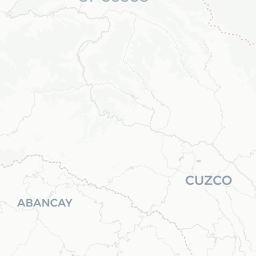
Saylla is a small district and town in the Cusco Province of the Cuzco Department, situated roughly 10–12 km southeast of Cusco city along the road toward Urcos and the Bolivian border. It sits at approximately 3,300 m (10,800 ft) above sea level on the Huatanay River valley floor, nestled within the broader Andean landscape that surrounds Cusco.
The town is best known throughout the region as a destination for chicharrón de cerdo — slow-fried pork that is a deeply embedded tradition in the area. Weekend mornings in particular draw Cusqueños and passing travelers who stop at the cluster of family-run restaurants along the main road. Beyond this culinary reputation, Saylla is a quiet, working Andean community with agriculture and small commerce at its core.
For most international travelers, Saylla functions as a brief but rewarding stop on a longer itinerary rather than a stand-alone destination. Its proximity to Cusco, the Sacred Valley, and Pikillacta archaeological site makes it easy to incorporate into a day of regional exploration.
Before You Go
Altitude
Saylla sits at roughly 3,300 m above sea level. Travelers arriving from lower elevations should allow time to acclimatize in Cusco before exploring the wider region. Symptoms of altitude sickness (soroche) can include headache, nausea, and fatigue. Consult a physician before travel if you have cardiovascular or respiratory concerns.
Visas
Peru's entry requirements depend on your nationality. For accurate, up-to-date visa information, check TravelerPulse's Visas section and the official Peruvian immigration authority (Superintendencia Nacional de Migraciones) website. Do not rely on secondhand information.
What to Bring
- Layers: temperatures can shift significantly between day and night even in dry season
- Sun protection (high-altitude UV is intense)
- Cash in soles — small local eateries rarely accept cards; verify locally
- Any prescription medications, as pharmacy access in Saylla itself is limited
Getting There
From Cusco City
Saylla is approximately 10–12 km from central Cusco via the road heading southeast toward Urcos (Route PE-3S). The most common way to reach it is by taxi or private vehicle, which takes roughly 20–30 minutes depending on traffic. Agree on the fare before departing or use a metered/app-based taxi service from Cusco.
Local buses and colectivos (shared minivans or cars) run along the Cusco–Urcos corridor and pass through or near Saylla. These can be boarded at departure points in Cusco city; ask locally for the current stops and fares, as these change. This is the most economical option.
Arriving in Peru
The nearest international airport is Alejandro Velasco Astete International Airport (CUZ) in Cusco city. Lima's Jorge Chávez International Airport (LIM) serves as the main international hub, with connecting domestic flights to Cusco. From Cusco airport, Saylla is accessible by taxi or colectivo.
Getting Around
Saylla itself is small enough to walk once you have arrived. The main strip of restaurants and the town center are compact. If you plan to combine a stop in Saylla with visits to nearby sites such as Pikillacta or Tipón, a hired taxi or private vehicle for the day is the most practical approach, allowing flexibility in timing. Negotiate day rates with drivers in Cusco before setting out.
Things to See & Do
Chicharrón Lunch or Breakfast
The primary draw of Saylla is its concentration of family-run eateries specializing in chicharrón de cerdo. Traditionally eaten on weekend mornings and early afternoons, this dish is served with mote (boiled corn), bread, and various accompaniments. Visiting during a weekend morning offers the most active and authentic atmosphere.
Huatanay River Valley Scenery
The valley around Saylla provides pleasant Andean scenery — terraced hillsides, eucalyptus groves, and open farmland. It is not a dedicated trekking area, but walking along quieter roads near the river can be agreeable for those wanting a calm interlude between larger sites.
Proximity to Pikillacta and Tipón
Saylla sits close to two significant archaeological sites worth pairing on a day trip: Pikillacta, a pre-Inca Wari culture urban complex, and Tipón, an Inca agricultural terrace and water-management site. Both are within roughly 20–30 minutes of Saylla by road. Admission and hours should be verified at the Cusco Ministerio de Cultura office or locally, as these can change.
Food & Drink
Saylla's food identity is dominated by chicharrón de cerdo — slow-rendered, crispy fried pork, typically sold by weight and accompanied by mote, salsa criolla (a fresh onion and herb condiment), and sometimes fried or boiled potato. Multiple family restaurants along the main road serve this dish; quality and portions are broadly similar across establishments, so choosing by atmosphere or local recommendation is reasonable.
Beyond chicharrón, basic Andean staples such as soups (caldos), rice dishes, and corn-based foods are available in local eateries. Chicha morada (a non-alcoholic purple corn drink) and chicha de jora (a traditional lightly fermented corn beer) may be offered at some venues. Bottled water and soft drinks are widely available. Tap water should not be consumed without purification.
Most local restaurants are informal, cash-only operations. Prices are generally modest by Cusco standards, but verify locally as they fluctuate.
Practical Information
Money
Bring sufficient cash in soles before arriving. There is no guarantee of ATM access in Saylla itself; the nearest reliable ATMs are in Cusco city.
Health
No destination-specific vaccinations are required for Saylla beyond standard Peru travel health advice. Consult a travel medicine clinic well before departure. The altitude is a primary health consideration (see Before You Go).
Connectivity
Mobile data coverage exists in the area via Peruvian carriers, but signal quality can vary. Do not count on reliable connectivity for navigation; download offline maps before leaving Cusco.
Emergency Contacts
For police, fire, and ambulance emergencies in Peru, the general emergency number is 105 (police) and 116 (ambulance / SAMU), but verify current numbers locally as services in smaller districts may route differently. The nearest hospitals and clinics of any size are in Cusco city.
Safety
Saylla is a quiet district without a particular reputation for crime, but standard precautions apply throughout the Cusco region. Keep valuables out of sight, be aware of your surroundings at roadside stops, and secure bags when traveling on public transport.
The main road through Saylla carries significant through-traffic, including large trucks and buses. Exercise care when crossing or walking along the roadway. If visiting during weekend market activity or busy holiday periods, expect heavier vehicle traffic and larger crowds at the chicharrón restaurants.
Local Culture & Etiquette
Saylla is a predominantly Quechua-heritage community. Spanish is universally spoken for commerce and practical interaction, but Quechua remains part of daily life, particularly among older residents. Basic courteous greetings in Spanish ("buenos días," "gracias") are always appreciated.
The chicharrón tradition in Saylla is a genuine local and regional cultural practice, not a performance for tourists. Treat the restaurants as working family businesses. Weekend mornings bring Cusco families as the primary clientele, and visitors who engage with that context — arriving, eating, and paying honestly — fit naturally into the setting.